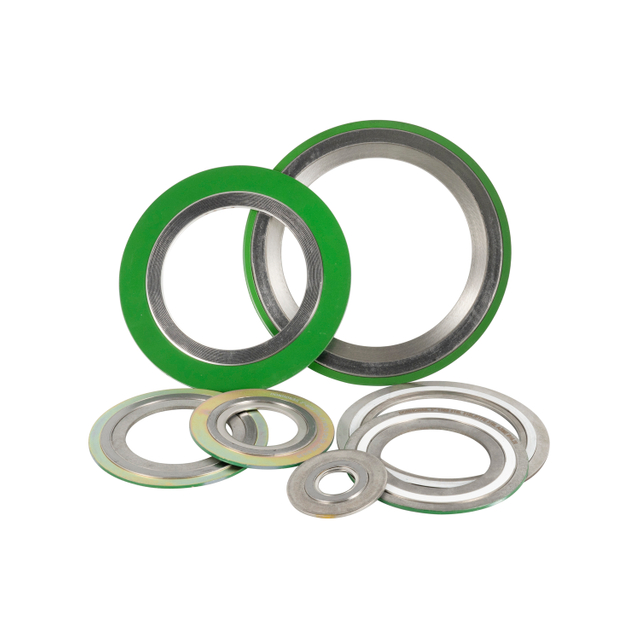
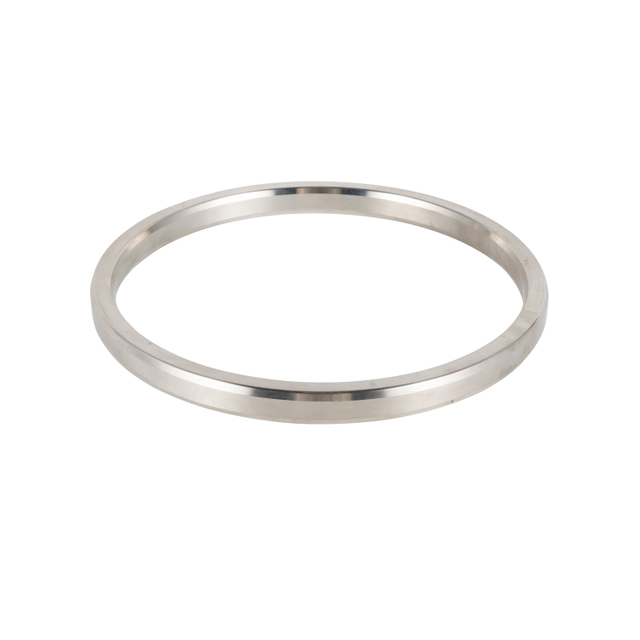
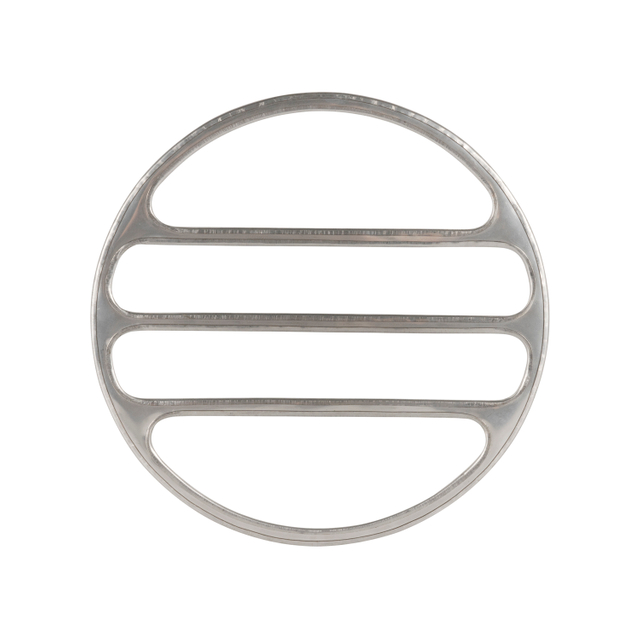
When buyers know the media and conditions but not the part number, they search by material — "PTFE gasket manufacturer", "graphite gasket supplier", "non-asbestos gasket". Donghang organizes its full sealing range by the seven materials that dominate industrial service: graphite, PTFE, asbestos-free fiber, metal, rubber, aramid and carbon fiber.
Each section below explains the material's temperature and chemical limits, the gasket and packing types we supply, where it is used, and how to select the right grade. From a flexible graphite spiral wound gasket for a boiler to an FDA PTFE sheet for a food line, find the material that fits your service and request a quote with your drawing or operating data. In-house molding, cutting and braiding, with material test reports on request.
What is the difference between PTFE and graphite gaskets?
PTFE resists nearly all chemicals and works from cryogenic to 260°C; graphite tolerates much higher heat (up to 500°C+) but is weaker against strong oxidizers. Choose PTFE for corrosion, graphite for high-temperature steam.
Are your gaskets asbestos-free?
Yes. We supply compressed non-asbestos fiber (CNAF) gaskets as a safe replacement for asbestos, with compliance declarations available.
Which gasket material is best for high temperature?
Above ~500°C use metal gaskets (RTJ, jacketed); 200–500°C use graphite; PTFE and rubber top out around 260°C and 200°C respectively.
What rubber gasket is best for oil vs water?
NBR (nitrile) for oil and fuel service; EPDM for water, steam and weathering; FKM (Viton) for aggressive chemicals; silicone for food and high temperature.
Do you supply FDA-grade PTFE for food and pharma?
Yes. We provide FDA-grade PTFE sheets and sanitary gaskets with material certification for food, beverage and pharmaceutical lines.
What is aramid packing used for?
Aramid (Kevlar) packing is used where abrasion and particulates are present — slurry pumps, mining, pulp & paper and valves with gritty media.
When should I use carbon fiber instead of graphite?
Carbon fiber performs better in oxidizing and high-friction service and offers lower friction; choose it for premium pump/valve packing where graphite degrades.
Can you supply gaskets by material and by application?
Both. Donghang indexes products by material (this page), by application and by standard so you can enter from either angle.