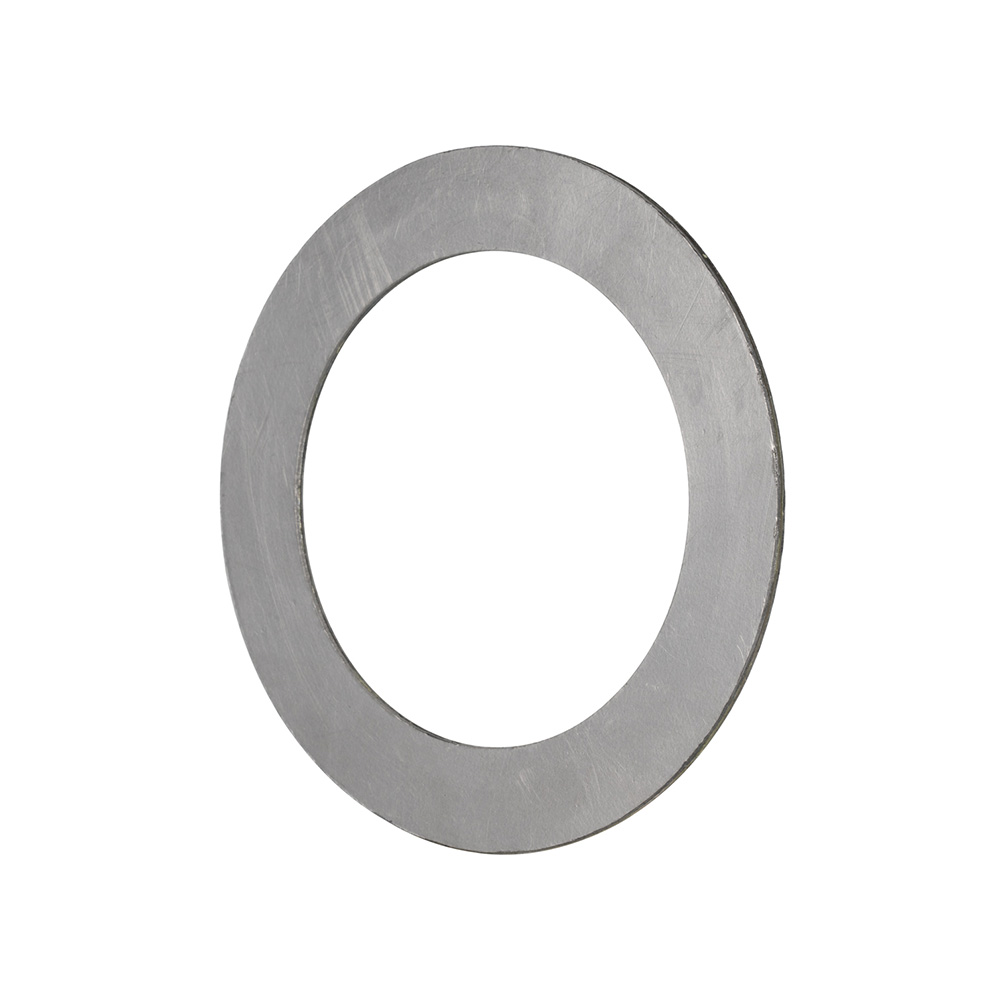
Engineered to seal,
The last line of defense against leakage
+86-13566064802

Views: 0 Author: Site Editor Publish Time: 2026-06-08 Origin: Site
Ever wonder what keeps industrial systems leak-free under extreme conditions? Ring gaskets are the unsung heroes of sealing technology. They prevent leaks and ensure safety in many industries.
Ring gaskets are crucial for sealing pipes and equipment. They work in oil, gas, power, and chemical plants to maintain system integrity.
In this post, you’ll learn about ring gasket types, their applications, and how to choose the right one for your needs.
Table of Contents
Ring gaskets come in various types, each designed to meet specific sealing needs across industries. Understanding these types helps you select the best gasket for your application.
Metal ring gaskets are crafted from durable metals like stainless steel, carbon steel, and alloy steel. They excel in high-pressure and high-temperature environments, such as oil and gas pipelines or power plants. Their strength ensures a tight seal that resists deformation and withstands harsh conditions.
Non-metallic gaskets use materials like rubber, PTFE (polytetrafluoroethylene), and graphite. These are ideal for lower-pressure applications or where chemical resistance is crucial. Rubber offers flexibility and good sealing for water or air systems. PTFE resists chemicals and high temperatures, making it suitable for chemical processing. Graphite withstands extreme heat and provides excellent sealing in steam or thermal applications.
Spiral wound gaskets combine metal and filler material, usually a soft filler like graphite or PTFE, wrapped around a metal ring. This construction allows them to seal under varying pressures and temperatures. Their flexibility helps accommodate flange imperfections, making them popular in refineries and petrochemical plants.
Ring Type Joint (RTJ) gaskets made from soft iron or stainless steel suit extreme pressure environments. Their precision-machined surfaces fit into matching flange grooves, creating a metal-to-metal seal. This design is common in oil and gas pipelines and heavy industrial equipment where leak prevention is critical.
Corrugated metal gaskets feature a wavy metal surface combined with a soft filler. This design provides flexibility, allowing the gasket to conform to flange irregularities. They offer excellent sealing performance in moderate to high-pressure applications and are easier to install than some rigid gaskets.
Note: Choosing the right ring gasket type depends heavily on your system’s pressure, temperature, and chemical exposure; always match gasket material and design to these factors for optimal sealing.
Ring Type Joint (RTJ) gaskets are precision-engineered metal gaskets designed to create a strong, leak-proof seal. They fit into a machined groove on the flange face, forming a metal-to-metal seal when the flange bolts are tightened. This design prevents gasket blowout, even under extreme pressure and temperature. RTJ gaskets are typically made from soft iron, stainless steel, or other alloys, allowing them to deform slightly and fill flange imperfections, ensuring a tight seal.
RTJ gaskets come in two primary profiles: oval and octagonal. The oval profile features a smooth, rounded sealing surface ideal for many standard flange designs. The octagonal profile has eight flat sealing surfaces, providing multiple sealing points for enhanced sealing reliability. Choosing the right profile depends on the flange groove design and the application's pressure and temperature requirements. Both profiles are standardized, making them compatible with industry-standard RTJ flanges.
RTJ gaskets excel in environments where high pressure and temperature pose sealing challenges. They are commonly used in oil and gas pipelines, refineries, and chemical plants where safety is paramount. Their metal-to-metal seal withstands pressures up to thousands of psi and temperatures over 1000°F (538°C), making them perfect for steam, gas, and liquid services. RTJ gaskets resist extrusion and deformation, maintaining seal integrity during thermal cycling and pressure fluctuations.
Several industries rely heavily on RTJ gaskets for critical sealing needs:
Oil & Gas: Used in pipelines, valves, and flanged connections offshore and onshore.
Petrochemical: Ensures reliable sealing in chemical reactors and processing units.
Power Generation: Applied in boilers, turbines, and heat exchangers.
Refineries: Handles aggressive fluids and high-pressure steam lines.
Heavy Industry: Used in equipment requiring durable, leak-proof seals under harsh conditions.
These industries benefit from RTJ gaskets' durability, safety, and compliance with strict regulatory standards.
Tip: Always verify RTJ gasket profile compatibility with flange groove design to ensure a proper metal-to-metal seal and prevent leaks in high-pressure systems.
Ring gaskets serve as vital sealing components in many industries. Their ability to prevent leaks and withstand harsh conditions makes them indispensable for safe, efficient operations.
In oil and gas, ring gaskets seal pipelines, valves, and flanged connections. They handle high pressures and harsh environments found offshore and onshore. RTJ gaskets are common here, ensuring metal-to-metal seals that prevent leaks in critical systems. Spiral wound gaskets also appear in refineries, where chemical resistance and temperature tolerance matter.
Chemical plants demand gaskets that resist aggressive chemicals and thermal stress. Non-metallic gaskets like PTFE and graphite are popular for their excellent chemical resistance. Spiral wound and metal ring gaskets also find use in high-pressure reactors and piping. Reliable sealing avoids hazardous leaks and contamination.
Power plants use ring gaskets in boilers, turbines, and heat exchangers. These gaskets must endure extreme temperatures and pressure fluctuations. Graphite-filled spiral wound gaskets and metal RTJ gaskets provide durable seals that maintain safety and efficiency. Their resistance to thermal cycling prevents costly downtime.
Aerospace and marine sectors require gaskets that handle vibration, corrosion, and temperature shifts. Metal ring gaskets made from stainless steel or alloys provide strong, reliable seals. Their precision and durability meet strict safety standards, ensuring system integrity in demanding environments.
Hygiene is critical in pharmaceuticals and food processing. Non-metallic ring gaskets made from FDA-approved materials like PTFE ensure contamination-free sealing. These gaskets resist chemicals and cleaning agents, maintaining sterile conditions. Their smooth surfaces prevent bacterial growth, meeting strict regulatory standards.
Tip: Always match gasket material and design to your industry's specific pressure, temperature, and chemical exposure for optimal sealing performance and safety.
Selecting the right ring gasket can make or break your sealing system’s performance. It’s not just about picking a gasket that fits; it’s about matching the gasket’s properties to your specific industrial conditions. Here’s how to approach this critical choice:
Start by analyzing your system’s operating environment. What pressure levels will the gasket face? High pressures demand metal or RTJ gaskets capable of withstanding intense force without leaking. Temperatures also matter; extreme heat calls for materials like graphite or stainless steel that resist thermal degradation. Corrosive environments require gaskets made from resistant materials such as PTFE or specialized alloys. Ignoring these factors risks gasket failure, leaks, or costly downtime.
Choosing the right material hinges on your application’s demands:
Metallic Gaskets: Stainless steel, carbon steel, or soft iron work well under high pressure and temperature. They provide strong, durable seals in oil & gas or power plants.
Non-Metallic Gaskets: Rubber and PTFE suit low-pressure systems or those needing chemical resistance. PTFE handles aggressive chemicals and high temperatures better than rubber.
Graphite Gaskets: Ideal for high-temperature steam or thermal applications. Graphite withstands heat and provides excellent sealing.
Composite Materials: Spiral wound gaskets combine metal and filler materials, offering flexibility and reliability across varying conditions.
Your gasket must fit the flange correctly. For example, RTJ gaskets require flanges with machined grooves to create a metal-to-metal seal. Spiral wound gaskets fit standard flanges but need the right size and thickness. Mismatched gaskets and flanges can cause leaks or damage. Always verify flange standards and dimensions before selecting a gasket.
Some industries have strict demands:
Oil & Gas: Often require metallic RTJ gaskets due to high pressure and safety regulations.
Chemical Processing: May favor PTFE or graphite for chemical resistance.
Food & Pharma: Need FDA-approved non-metallic gaskets to ensure hygiene and contamination-free seals.
Power Generation: Often use graphite-filled spiral wound or metal gaskets to handle thermal cycling.
Match your gasket type to these needs for optimal performance.
Quality varies widely among gasket suppliers. Choosing a trusted manufacturer ensures precision engineering, consistent material quality, and compliance with international standards. Reputable makers perform strict quality control and provide certifications, reducing risk and improving reliability. Companies like IGP Engineers specialize in high-quality ring gaskets tailored to meet rigorous industrial requirements.
Tip: Always gather detailed data on your system’s pressure, temperature, and chemical exposure before selecting a gasket to ensure long-lasting, leak-proof sealing.
Choosing the right material for a ring gasket is crucial for ensuring a reliable seal and long service life. Different materials offer unique properties that suit specific operating conditions, such as pressure, temperature, and chemical exposure. Let’s explore the most common materials used in ring gaskets and what makes them valuable.
Stainless steel and carbon steel are popular choices for metal ring gaskets. Stainless steel offers excellent corrosion resistance, making it ideal for harsh environments where rust or chemical attack is a concern. It also withstands high temperatures and mechanical stress, ensuring a durable seal in demanding applications like oil and gas pipelines or power plants.
Carbon steel, on the other hand, provides strength and toughness at a lower cost. It performs well in high-pressure environments but may require protective coatings or treatments to resist corrosion. Both metals can be precision-machined to fit flange grooves perfectly, ensuring a tight metal-to-metal seal.
Non-metallic materials like rubber and PTFE (polytetrafluoroethylene) are chosen for their flexibility and resistance to chemicals. Rubber gaskets provide excellent elasticity, making them suitable for low-pressure systems where slight flange misalignments occur. They work well in water, air, and mild chemical applications.
PTFE stands out for its outstanding chemical inertness. It resists most acids, bases, and solvents, making it perfect for aggressive chemical processing environments. PTFE also tolerates a wide temperature range, though it’s less effective under extreme mechanical stress. Its smooth surface reduces friction, helping maintain a clean seal.
Graphite gaskets excel in high-temperature sealing tasks. They can withstand temperatures above 1000°F (538°C), making them ideal for steam, thermal, and power generation applications. Graphite’s natural lubricity allows it to conform well to flange surfaces, filling irregularities and creating a tight seal.
Additionally, graphite resists chemical attack from many corrosive fluids, adding versatility. It’s often used as a filler in spiral wound gaskets, combining flexibility with high-temperature resistance. However, graphite gaskets require careful handling due to their brittle nature.
Spiral wound gaskets use a combination of metal and filler materials to achieve superior sealing performance. The metal winding, usually stainless steel or carbon steel, provides structural strength. The filler, often graphite or PTFE, offers flexibility and chemical resistance.
This composite construction allows spiral wound gaskets to handle fluctuating pressures and temperatures while accommodating flange imperfections. They are widely used in refineries, petrochemical plants, and power stations where reliability is critical.
Tip: Select gasket materials by carefully matching their properties to your system’s pressure, temperature, and chemical exposure for maximum sealing efficiency and durability.
Choosing high-quality ring gaskets is essential for ensuring reliable sealing and long-term system performance. These gaskets play a critical role in preventing leaks, maintaining safety, and optimizing operational efficiency across various industries.
High-quality ring gaskets provide a robust seal that resists wear, deformation, and chemical attack. They maintain their integrity under fluctuating pressures and temperatures, minimizing the risk of leaks. A durable gasket reduces the need for frequent replacements, saving time and maintenance costs. For example, metal RTJ gaskets made from premium stainless steel resist corrosion and mechanical stress, ensuring a tight seal even in harsh environments.
In industries like oil and gas or power generation, safety is paramount. High-quality ring gaskets prevent dangerous leaks of gases or liquids that could cause accidents or environmental damage. Their precision engineering ensures proper flange fit and metal-to-metal sealing, critical in high-pressure systems. Using substandard gaskets risks blowouts or failures that can lead to costly downtime and safety hazards.
Reliable sealing reduces unplanned shutdowns caused by leaks or gasket failures. High-quality gaskets maintain consistent performance, allowing systems to operate at optimal pressure and temperature ranges. This stability enhances process efficiency and lowers energy consumption. Additionally, fewer maintenance interventions mean less downtime, improving overall productivity.
Top-tier ring gaskets meet or exceed international standards such as ASME, API, and ISO. Compliance ensures compatibility with industry-standard flanges and equipment, facilitating inspections and audits. Certified gaskets also guarantee material traceability and quality control, providing peace of mind for operators and engineers. Choosing certified products helps avoid regulatory penalties and supports long-term asset integrity.
Tip: Always specify ring gaskets that comply with relevant industry standards and certifications to ensure safety, reliability, and regulatory acceptance in your applications.
Selecting the right manufacturer is just as important as choosing the right gasket type or material. The quality, precision, and reliability of your ring gaskets depend heavily on the maker’s expertise and manufacturing standards. Here’s how to evaluate and choose a trusted ring gasket supplier.
High-quality ring gaskets require precision engineering. Look for manufacturers who use advanced machining techniques to ensure tight tolerances and perfect flange fits. Precision reduces the risk of leaks and gasket failure. A good manufacturer will also offer a range of gasket sizes and profiles to match your flange specifications exactly.
Ask about their production capabilities. Do they manufacture gaskets for high-pressure, high-temperature applications? Do they have experience with materials like stainless steel, soft iron, PTFE, or graphite? Their technical expertise should cover the types of gaskets your industry demands.
Strict quality control is essential for consistent gasket performance. Trusted manufacturers implement thorough inspection processes at every production stage, from raw material selection to final packaging. This includes dimensional checks, material testing, and surface finish inspections.
Quality certifications such as ISO 9001 or API standards show that a manufacturer follows recognized quality management systems. These certifications provide confidence that the gaskets meet international standards and regulatory requirements.
IGP Engineers exemplify a trusted ring gasket manufacturer. They specialize in high-quality sealing solutions tailored for demanding industries like oil & gas, petrochemical, and power generation. IGP’s gaskets are made from premium materials and undergo rigorous quality checks.
Their precision engineering ensures perfect flange compatibility, reducing installation issues and leaks. IGP also offers customization to meet unique application needs, including various RTJ profiles and composite gasket designs. Their commitment to quality and customer service has earned them a solid reputation globally.
Before selecting a supplier, verify their certifications. Request documentation proving compliance with standards like ASME, API, ISO, or others relevant to your industry. Also, check if they provide material test reports (MTRs) and traceability records.
Visit the manufacturer’s facility if possible, or ask for third-party audit reports. This helps ensure they maintain consistent quality control and use genuine materials. Partnering with a certified manufacturer reduces risks and supports long-term system reliability.
Tip: Always choose ring gasket manufacturers who provide full certification and traceability, ensuring gasket quality and compliance for critical industrial applications.
Choosing the right ring gasket depends on matching material, design, and flange compatibility to your system’s pressure, temperature, and chemical needs. Proper gasket selection enhances safety, prevents leaks, and improves operational efficiency in demanding industries. For reliable, high-quality sealing solutions, sourcing from trusted manufacturers is essential. DONHONSIL Gasket Manufacturer offers precision-engineered gaskets that ensure durability and performance, providing excellent value for critical industrial applications. Their products support safe, efficient operations across various sectors.
A: Ring gaskets are sealing components designed to prevent leaks between flanges in piping systems. They are essential for maintaining safety and efficiency in high-pressure and high-temperature environments.
A: Select ring gaskets based on your system’s pressure, temperature, chemical exposure, and flange type to ensure optimal sealing and durability.
A: Common materials include stainless steel, carbon steel, rubber, PTFE, and graphite, each suited for specific industrial conditions.
A: RTJ gaskets provide a metal-to-metal seal that withstands extreme pressure and temperature, crucial for preventing leaks in critical systems.
A: Costs depend on material, design, and application requirements; high-quality, certified gaskets may cost more but offer better reliability and safety.