No.67,Xinhua Road, Xiaolin Town,
Cixi City,Zhejiang,China 315300
Call Us
+86-13566064802

Views: 0 Author: Site Editor Publish Time: 2026-06-08 Origin: Site
Ever wonder what keeps engines and pipes leak-free? The answer often lies in a simple gasket. Gaskets create tight seals that prevent leaks and protect systems.
In this post, you’ll learn what gaskets are and why they matter. We’ll explore their uses in everyday life and industry. Plus, discover how to choose the right gasket for your needs.
Table of Contents
Gaskets and seals both stop leaks but serve different roles. A gasket fits between two non-moving parts to block gaps and prevent fluid or gas from escaping. It’s usually flat or shaped to fill a fixed space. Gaskets compress slightly to create a tight barrier.
Seals, however, work between moving parts. They stop leaks where parts rotate, slide, or move against each other. Seals often have a ring or lip shape to maintain contact even while parts shift.
Gaskets are perfect for static joints. For example, they seal flanges on pipes, engine blocks, or machinery housings. Because the parts don’t move, the gasket just needs to fill irregularities and hold tight under pressure or heat.
Common uses include:
Pipe connections in plumbing or industrial plants
Engine head gaskets in cars
Covers and lids on pumps or valves
Equipment panels and housings
They ensure no leaks occur where two solid surfaces meet and stay fixed.
Seals handle dynamic situations. They must keep fluid in while allowing parts to move smoothly. Examples include:
Shaft seals in motors or pumps
Valve stem seals
Wheel hub seals in vehicles
Hydraulic cylinder seals
Seals often use flexible materials like rubber or elastomers to maintain contact despite movement. They resist wear and friction to last longer.
Many people confuse gaskets and seals or use the terms interchangeably. Sometimes, "seal" describes any leak-preventing device, including gaskets. However, the key difference lies in motion:
Gaskets: for stationary parts
Seals: for moving parts
Another misconception is that all gaskets are flexible and all seals are round. In reality, shapes vary widely depending on application.
Understanding these differences helps select the right component for your system’s needs. Using a gasket where a seal is needed can cause leaks or damage, and vice versa.
Note: Always specify whether your application involves moving or non-moving parts to choose between a gasket or a seal effectively.
Gaskets play a crucial role in many industries by ensuring tight seals that prevent leaks and contamination. In food processing plants, gaskets help keep machinery airtight and hygienic. They prevent raw materials or finished products from spilling or mixing, which maintains food safety and quality. Materials used here must meet strict hygiene standards and often require FDA-approved gaskets.
In petrochemical industries, gaskets withstand harsh chemicals and high pressures. They seal pipes and tanks carrying fuels, oils, and gases, preventing dangerous leaks. These gaskets usually require high chemical resistance and durability.
Plumbing systems rely on gaskets to seal pipe joints and valves. They stop water leaks in household and commercial plumbing, ensuring efficient water flow and preventing damage. Machinery across industries also uses gaskets to seal engine parts, pumps, and compressors, keeping fluids contained and machines running smoothly.
Gaskets are common in everyday items, helping maintain function and comfort. Water taps use rubber gaskets to prevent dripping and water waste. Refrigerator doors have gaskets that seal tightly to keep cold air inside, saving energy and preserving food freshness.
Windows often use gaskets to block drafts and moisture, improving insulation and comfort in homes and offices. These everyday gaskets, though simple, are essential for daily convenience and energy efficiency.
In medical and laboratory settings, gaskets ensure equipment stays sterile and leak-free. Devices like IV bags, catheters, and tubes use specialized gaskets to prevent fluid leaks and contamination. These gaskets must be biocompatible and often disposable.
Laboratory instruments also depend on gaskets to maintain airtight seals, preventing exposure to hazardous chemicals or biological agents. This helps protect users and maintain experiment integrity.
Across all applications, gaskets serve as barriers that stop leaks and block contaminants. In food and medical industries, this role is critical for hygiene and safety. Gaskets prevent germs, bacteria, or chemicals from crossing sealed surfaces.
In industrial and household uses, they protect equipment and structures from damage caused by leaks. By maintaining tight seals, gaskets extend equipment life, reduce maintenance costs, and improve overall system reliability.
Tip: Always choose gasket materials that meet industry-specific hygiene and safety standards to ensure leak prevention and contamination control in sensitive applications.
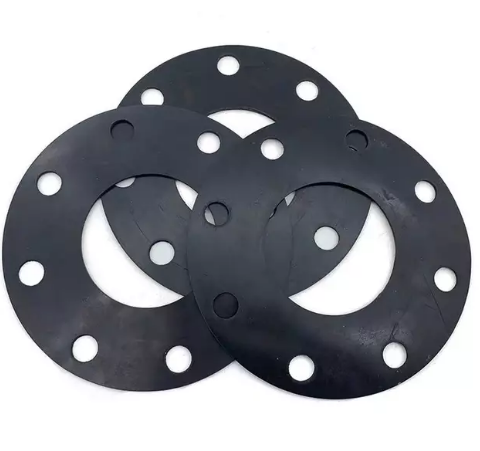
Rubber gaskets are among the most common types. They come in materials like neoprene, nitrile, EPDM, and silicone. Each type offers unique benefits:
Neoprene: Resistant to oils and weather.
Nitrile: Excellent for oil and fuel exposure.
EPDM: Great for heat, steam, and water.
Silicone: Works well in extreme temperatures.
Rubber gaskets are flexible, compressible, and easy to shape. They seal well on uneven surfaces and handle moderate pressure. You’ll find them in plumbing, automotive engines, HVAC systems, and food processing. Their versatility makes them ideal for many everyday and industrial uses.
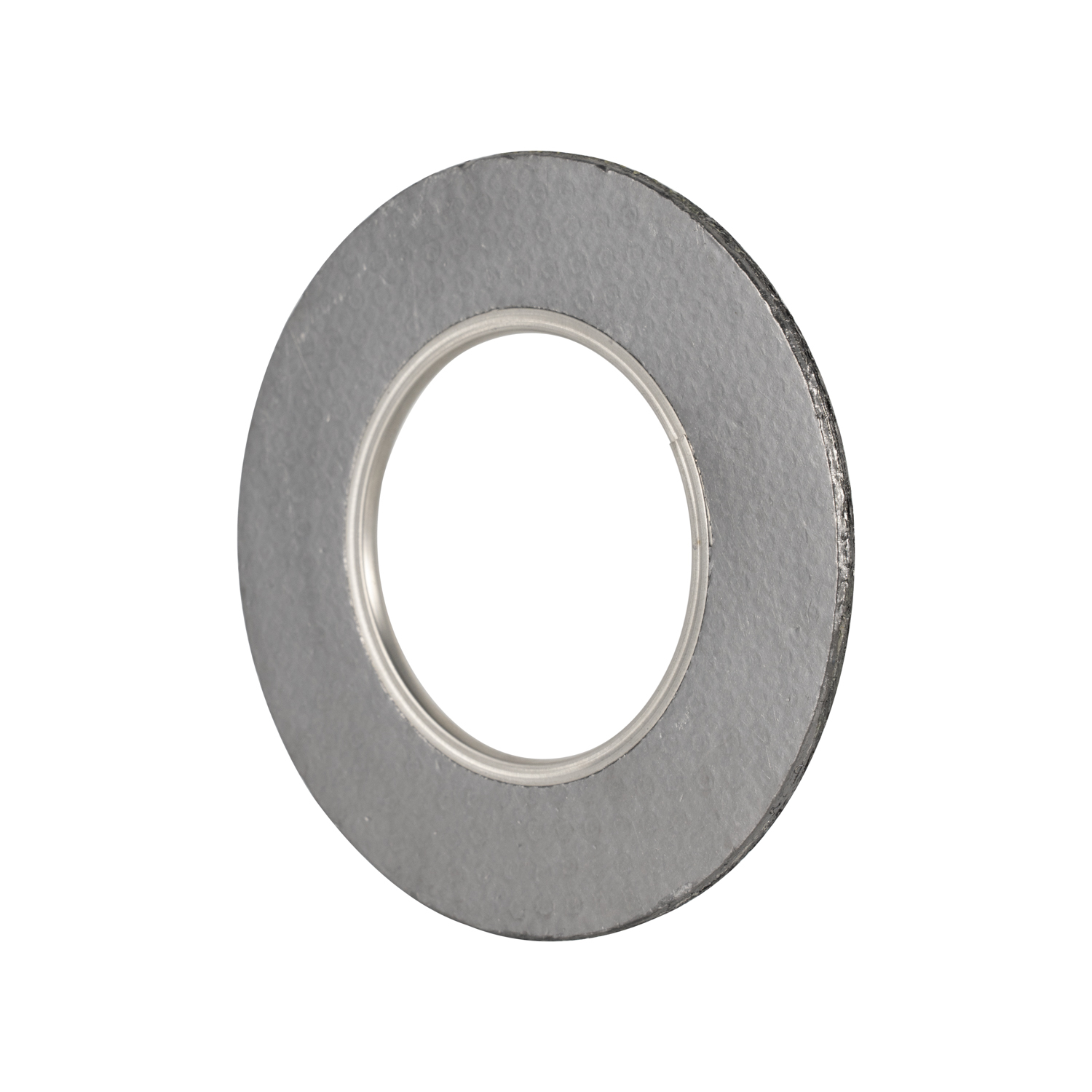
Graphite gaskets are manufactured from flexible graphite sheets or reinforced graphite materials. They offer outstanding resistance to high temperatures, aggressive chemicals, and thermal cycling, making them one of the most reliable sealing solutions for demanding industrial environments.
They are widely used in power generation, petrochemical processing, refineries, heat exchangers, and high-temperature pipeline systems. Graphite gaskets maintain sealing integrity under extreme operating conditions, providing excellent durability, chemical compatibility, and long service life where conventional gasket materials may fail.
Compressed fiber gaskets are manufactured from a blend of synthetic fibers, elastomers, and fillers compressed into durable sheets. This construction provides excellent sealing performance, good mechanical strength, and resistance to oils, water, steam, and a wide range of industrial fluids.
They are commonly used in pumps, valves, flanges, compressors, and general industrial piping systems. Compressed fiber gaskets offer a cost-effective and reliable sealing solution for medium-pressure and moderate-temperature applications, making them one of the most widely used gasket materials across multiple industries.
Metal gaskets are made from steel, copper, or other alloys. They handle extreme heat, high pressure, and harsh chemicals. Their rigid structure suits applications where rubber or cork would fail.
Common uses include engine head gaskets, high-pressure boilers, and chemical plants. Metal gaskets often require precise machining and surface finishes to ensure a perfect seal. They’re durable, long-lasting, and ideal for demanding environments.
Spiral wound gaskets combine metal strips and soft filler materials like graphite or PTFE. The metal provides strength; the filler ensures tight sealing. These gaskets are wound into a spiral, allowing them to compress and recover under pressure.
They excel in high-pressure, high-temperature settings like refineries, power plants, and chemical processing. Spiral wound gaskets resist corrosion and maintain seals even under fluctuating conditions.
PTFE (Teflon) gaskets offer outstanding chemical resistance and low friction. They’re non-stick and don’t absorb liquids, making them ideal for aggressive chemicals and sanitary applications.
You’ll find PTFE gaskets in pharmaceutical, chemical, and food industries. They handle acids, bases, and solvents without degrading. PTFE gaskets also tolerate a wide temperature range, though they aren’t suitable for high-pressure mechanical joints.
Tip: Match gasket materials to your system’s temperature, pressure, and chemical exposure to ensure reliable sealing and longer service life.
Gaskets are essential in many industries where sealing and leak prevention matter for safety, performance, and efficiency. Let’s look at the key industries that depend heavily on gaskets.
The automotive industry uses gaskets everywhere—from engine parts to exhaust systems. Gaskets seal engine blocks, cylinder heads, and intake manifolds to keep oil, coolant, and gases from leaking. Rubber gaskets handle vibrations and temperature changes inside engines. Metal gaskets withstand high heat and pressure in critical zones. Without reliable gaskets, engines would lose power, overheat, or suffer damage.
In oil and gas, gaskets prevent leaks of flammable or toxic fluids under extreme pressure and temperature. Pipelines, valves, and pumps need gaskets that resist harsh chemicals and mechanical stress. Spiral wound and metal gaskets are common here due to their strength and durability. They help avoid dangerous spills, environmental harm, and costly downtime.
These industries require gaskets that resist aggressive chemicals and maintain sterile environments. PTFE gaskets are popular for chemical resistance. Pharmaceutical plants need FDA-approved gaskets to ensure no contamination in drug manufacturing. Gaskets here must provide tight seals in pumps, reactors, and piping, often under varying temperatures and pressures.
Food safety depends on hygienic, leak-proof seals. Gaskets in food processing equipment prevent contamination and keep products fresh. Materials must meet strict hygiene standards, often FDA-approved. Rubber and PTFE gaskets are common. They seal mixers, pipes, and packaging machines, ensuring no bacteria or foreign matter enters the product.
Aircraft and spacecraft require gaskets that perform under extreme conditions: high altitude, temperature swings, and vibration. Metal and composite gaskets seal fuel systems, engines, and hydraulic lines. These gaskets must be lightweight yet durable, ensuring safety and reliability during flight.
Tip: When selecting gaskets for your industry, prioritize materials and designs proven to withstand your specific operating conditions, such as temperature, pressure, and chemical exposure.
Selecting the perfect gasket is vital for reliable sealing and system safety. Here are key factors to consider when making your choice:
Gaskets must handle the temperatures your system reaches. Some materials work well in cold but fail in heat. Others resist high heat but become brittle in the cold. For example, silicone gaskets tolerate extreme temperatures, while rubber gaskets suit moderate heat. Always check the operating temperature range to avoid gasket failure.
Pressure levels affect gasket performance. High-pressure systems need gaskets that resist crushing and maintain a tight seal. Metal and spiral wound gaskets excel here. Low-pressure systems can often use softer materials like cork or rubber. Knowing your system’s pressure helps pick a gasket that won’t leak or deform.
The fluid or gas the gasket contacts influences material choice. Oils and fuels demand oil-resistant materials like nitrile rubber. Water and steam call for EPDM or silicone. Harsh chemicals require PTFE or specialized compounds. Incompatible materials can degrade quickly, causing leaks or contamination.
Gaskets seal static joints, where parts don’t move. They compress to fill gaps and stay put. Dynamic systems involve movement, like rotating shafts or sliding surfaces. Here, seals rather than gaskets are usually needed. If your application is static, focus on gasket material and shape. For dynamic parts, consider seals designed for motion.
A gasket must fit precisely between mating surfaces. Too large or small leads to leaks or damage. Measure flange dimensions, bolt hole patterns, and thickness carefully. Custom gaskets may be necessary for unusual shapes or sizes. Proper fit ensures even compression and long-lasting seals.
Certain industries require certified gaskets to meet safety and quality standards. Food, pharmaceutical, and medical sectors often demand FDA-approved materials. Water supply systems may require WRAS certification. ISO and ASTM standards ensure consistent manufacturing and performance. Always verify that your gasket meets relevant certifications for your application.
Tip: Always match gasket material and design to your system’s temperature, pressure, and chemical conditions to ensure durability and leak-free operation.
Choosing the right gasket is crucial for system safety and leak prevention. Key factors include temperature, pressure, and chemical compatibility. Proper fit and industry certifications also matter. Consulting experts ensures custom solutions tailored to your needs. www.xsseal.com DONHONSIL Gasket Manufacturer offers high-quality gaskets designed for durability and reliable sealing, providing excellent value for various industries. Their expertise helps you select the perfect gasket to optimize your system’s performance and longevity.
A: A gasket is a material placed between two stationary parts to prevent leaks by filling gaps, while seals are used between moving parts to maintain contact and stop leaks during motion.
A: Consider temperature, pressure, chemical compatibility, static or dynamic use, size, and industry certifications to select a gasket that fits your system's needs.
A: Gaskets prevent leaks, maintain hygiene, and protect equipment by creating tight seals, essential for safety and efficiency in industries like food processing and petrochemicals.
A: Material type, size, complexity, temperature and pressure ratings, and required certifications influence gasket pricing.
A: Check for proper fit, material compatibility, and installation errors; replacing the gasket with one suited to your system’s conditions usually resolves leaks.