
Engineered to seal,
The last line of defense against leakage
+86-13566064802

Views: 0 Author: Site Editor Publish Time: 2026-03-05 Origin: Site
Leaks can disrupt industrial systems and cause costly downtime. Spiral Wound Gasket solve these challenges effectively. In this article, you will learn how to troubleshoot gasket issues and choose the right solution for reliable sealing.
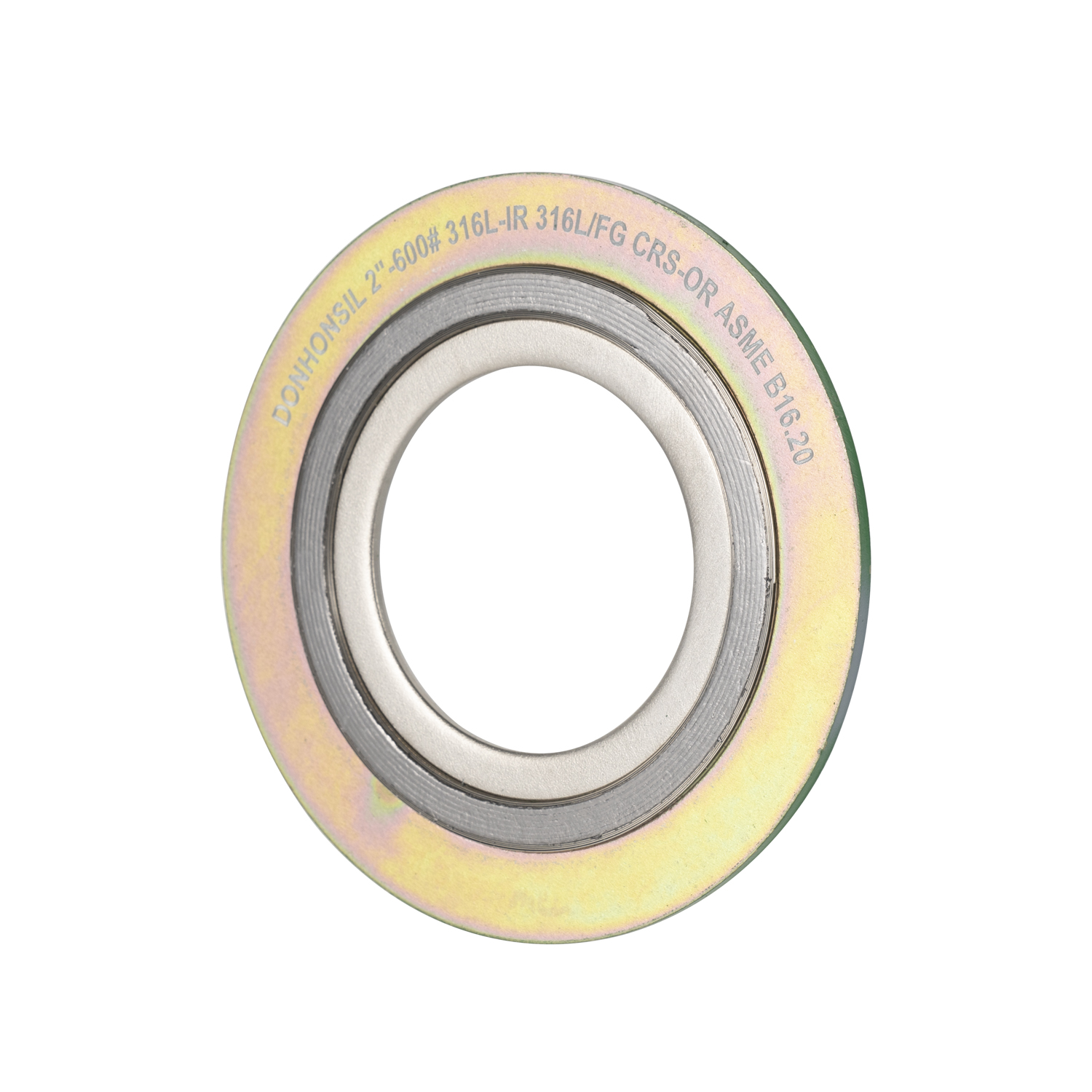
Spiral wound gaskets are engineered to provide reliable sealing in demanding industrial applications. They are crafted by alternating metal strips with filler materials, creating a resilient and adaptive gasket. The metal strips provide strength and recovery under stress, while the filler materials—like PTFE (Teflon) or graphite—offer excellent resistance to chemicals, extreme temperatures, and pressures.
Here’s how the gasket’s construction works:
● Metal Strips: Typically made from stainless steel, they provide the gasket with structural strength and resilience under pressure.
● Filler Materials: Materials like PTFE or graphite allow the gasket to seal under high pressure and high temperatures, while also offering chemical resistance.
● Inner/Outer Rings: These additional components ensure the gasket stays centered within the flange and prevents deformation or buckling under stress.
One of the key features of spiral wound gaskets is their customizability. For example, XS Seal offers tailored solutions, adjusting inner and outer rings and filler materials to match the specific pressure, temperature, and chemical compatibility needs of various industries. This versatility makes them ideal for a range of applications.
Spiral Wound Gasket Components:
Component | Material Options | Function |
Metal Strip | Stainless Steel, Alloy Steel | Provides structural strength and resilience |
Filler Material | PTFE, Graphite, Other Fillers | Adds sealing ability, flexibility, and chemical resistance |
Inner/Outer Rings | Stainless Steel, Other Alloys | Centers the gasket and prevents buckling |
Spiral wound gaskets provide a superior sealing solution compared to traditional gaskets. Here are some of the key benefits:
● Seals Imperfect Flanges: Unlike flat gaskets that only seal perfectly flat surfaces, spiral wound gaskets seal on the edges. This allows them to adapt to imperfections in flange surfaces, ensuring a tight seal even when the flanges are misaligned.
● Recoverability: Spiral wound gaskets have a built-in spring effect due to their metal winding. This means they can recover from flange movement, thermal expansion, and other stresses that would cause conventional gaskets to fail over time.
● Extreme Performance: These gaskets are designed for use in environments where high pressure, high temperature, and chemical exposure are common. Spiral wound gaskets outshine conventional gaskets in industries like petrochemical and power generation, where traditional gaskets might degrade or lose their sealing capacity under demanding conditions.
XS Seal, with over 20 years of experience, excels in creating customized spiral wound gaskets that are built for specific industry needs. Their ability to provide tailored solutions makes them a trusted choice for those seeking reliable sealing performance.
Benefits in Action:
● Sealing Imperfect Flanges: Adapts to flange surface irregularities, ensuring no leaks.
● Thermal and Mechanical Recovery: Recovers from flange movement and thermal cycling.
● Reliability in Extreme Conditions: Excels in high-pressure, high-temperature, and chemically aggressive environments, making them ideal for oil & gas, chemical plants, and power stations.
● Material Degradation: Over time, conventional gaskets break down when exposed to high temperatures, pressures, and chemicals. This degradation weakens their sealing capability, leading to leaks.
● Poor Compression: If the gasket isn’t compressed correctly during installation, it can fail to create a proper seal. In high-pressure environments, this problem becomes more critical.
● Flange Misalignment: Conventional gaskets often rely on flat, parallel flanges to function effectively. However, when flanges are misaligned, the gasket can’t form a perfect seal, resulting in leakage.
These issues are commonly found in industries such as petrochemicals, oil & gas, and power plants, where extreme conditions make conventional gaskets unsuitable.
Common Causes of Gasket Failure:
Cause | Impact | Affected Industries |
Material Degradation | Loss of sealing integrity due to high temperatures, chemicals, or pressure. | Petrochemical, Power Generation, Chemical Plants |
Poor Compression | Leads to an inadequate seal, especially in high-pressure systems. | Oil & Gas, Manufacturing, Petrochemical |
Flange Misalignment | Uneven sealing surface causes leakage. | Refineries, Power Generation |
Spiral wound gaskets offer distinct advantages that make them ideal for preventing leakage in challenging environments.
● Superior Sealing in Extreme Conditions: Spiral wound gaskets are designed to perform in high-pressure, high-temperature, and cyclic loading environments. Unlike conventional gaskets, they can maintain a strong seal even as conditions fluctuate.
● Adaptability to Flange Imperfections: Spiral wound gaskets seal on the edges rather than relying solely on flat flange surfaces. This allows them to adapt to imperfections, ensuring a more consistent seal across irregular surfaces.
● Chemical Resistance: Materials like PTFE and graphite in spiral wound gaskets offer superior resistance to chemicals compared to conventional gaskets, making them ideal for applications in aggressive environments.
The flexibility and resilience of XS Seal’s spiral wound gaskets make them the go-to solution for industries needing reliable, long-lasting seals.
Key Advantages of Spiral Wound Gaskets:
● Seals Imperfect Flanges: Works well even with misaligned flanges, unlike flat gaskets.
● High-Performance in Extreme Conditions: Excellent sealing in high-pressure and high-temperature scenarios.
● Enhanced Chemical Resistance: Resistant to corrosive chemicals, making them perfect for petrochemical and chemical industries.
Spiral wound gaskets have proven to be the ultimate solution for industries facing the toughest leakage problems. Here are some examples:
● Petrochemical Refineries: In a refinery, where temperatures often exceed 500°F, traditional gaskets can fail due to material degradation. XS Seal’s spiral wound gaskets, with PTFE filler, are designed to withstand extreme temperatures and pressures, maintaining a reliable seal even in the harshest conditions.
● Power Generation: In power plants, equipment faces thermal expansion and high-pressure fluctuations, which can cause conventional gaskets to lose their seal. Spiral wound gaskets from XS Seal recover their form and maintain tight seals under these demanding conditions, reducing the likelihood of leakage and downtime.
● Chemical Processing Plants: In environments where aggressive chemicals are used, conventional gaskets break down quickly. XS Seal’s spiral wound gaskets, made with graphite fillers, provide exceptional resistance to chemicals, ensuring a long-lasting, leak-free seal.
When a spiral wound gasket fails, it's essential to identify the root cause to avoid recurring problems. Here are the main reasons spiral wound gaskets might fail:
● Improper Installation: Incorrectly installed gaskets can fail due to misalignment or uneven compression. If the gasket isn’t properly aligned between the flanges, it won’t form a proper seal, leading to leakage.
● Incorrect Material Selection: Using the wrong gasket material for the operating environment can lead to gasket degradation. For example, if a gasket isn’t resistant to high temperatures, chemicals, or pressure, it may degrade quickly.
● Flange Misalignment: If flanges are not properly aligned, it can put uneven pressure on the gasket, causing it to fail. Spiral wound gaskets, in particular, require precise flange alignment to seal effectively.
To inspect for signs of failure, look for:
● Signs of Wear or Damage: Check for cracks, warping, or material loss.
● Material Compatibility Issues: If the gasket has been exposed to harsh chemicals or extreme temperatures beyond its capabilities, it may show signs of degradation.
Proper installation is key to ensuring that a spiral wound gasket works effectively. Follow these steps to avoid common installation problems:
● Correct Bolt Torque: Always ensure bolts are tightened to the correct torque specifications. Over-tightening or under-tightening can lead to gasket deformation, preventing it from sealing properly.
● Proper Gasket Alignment: The gasket must be aligned correctly within the flange. Even slight misalignment can cause it to fail prematurely.
● Surface Preparation: Before installation, ensure that the flange faces are clean and smooth. Any dirt, rust, or imperfections can interfere with the gasket’s ability to seal effectively.
By adhering to these installation guidelines, you ensure that the gasket performs as intended. XS Seal provides comprehensive guidance on correct gasket installation, helping you avoid common pitfalls and ensuring a tight seal.
To get the most out of your spiral wound gaskets, regular maintenance is essential. Here are some tips to help you maintain your gaskets and extend their lifespan:
● Regular Inspections: Periodic inspection is crucial for spotting wear and tear early. Check for any visible signs of damage or wear, such as cracking, surface damage, or material degradation.
● Re-Torquing: Over time, bolts may loosen due to temperature fluctuations or vibrations. Re-torquing bolts periodically ensures that the gasket remains under the correct compression.
● Material Selection: Ensure that the gasket material is appropriate for your specific operational conditions (e.g., pressure, temperature, and chemical exposure). This will ensure a longer lifespan and minimize the risk of failure.
By partnering with XS Seal, you gain access to high-quality spiral wound gaskets that are designed to meet the specific requirements of your system. With their expert guidance, you can ensure that your gaskets perform reliably over time.
Selecting the right spiral wound gasket requires careful attention to operational conditions. Temperature, pressure, and chemical exposure play a major role in determining which material will perform best.
● Temperature Compatibility: Ensure the gasket material can tolerate your system's operating range. Extreme heat or cold can degrade some filler materials, reducing sealing performance.
● Pressure Requirements: Check whether the gasket can withstand peak system pressures. Spiral wound gaskets are designed to recover from fluctuating loads, but the metal and filler selection must match pressure conditions.
● Chemical Resistance: Evaluate exposure to corrosive or reactive fluids. The right filler and metal combination prevents early wear and maintains long-term reliability.
● Industry-Specific Solutions: XS Seal offers custom spiral wound gaskets tailored for industries such as oil & gas, chemical processing, and power generation, ensuring each gasket meets your exact system demands.
Material Selection Quick Guide:
Material | Best For | Limitations |
Graphite | High temperatures, steam systems | Not ideal for strong acids |
PTFE | Chemical resistance, moderate temps | Lower mechanical strength |
Stainless Steel Core | High pressure recovery | Needs compatible filler |
Gasket size and design are equally critical. Correct sizing ensures a uniform seal across the flange and prevents leakage. To determine the proper size, measure inner and outer flange diameters and account for compression tolerance.
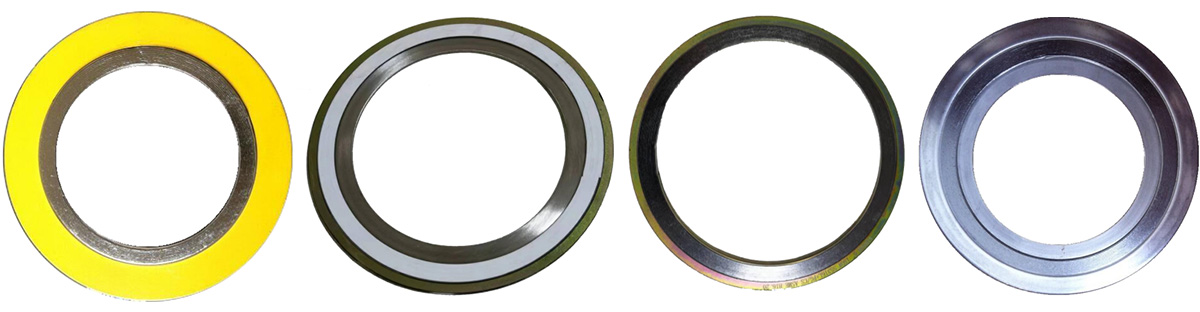
● Inner and Outer Rings: Optional rings can prevent buckling and help center the gasket during installation.
● Design Variations: Spiral wound gaskets come in different cross-section profiles that influence sealing ability and blowout resistance. XS Seal customizes these profiles to match your system requirements.
● Pressure Class: Confirm that the gasket’s pressure rating aligns with your system’s maximum working pressure. Using a gasket rated too low increases risk of leaks or blowouts.
Design Feature | Function | Benefit |
Inner Ring | Centers gasket on flange | Prevents buckling during compression |
Outer Ring | Supports flange edges | Enhances blowout resistance |
Cross-Section Profile | Varies thickness and spring effect | Adapts to pressure and temperature |
Compatibility is key for a long-lasting seal. Even the best spiral wound gasket fails if mismatched to the system.
● Correct Specification: Confirm dimensions, pressure rating, and material choices are compatible with system design.
● Installation Conditions: Evaluate flange surface finish, parallelism, and bolt torque requirements to avoid misalignment issues.
● XS Seal Expertise: Leveraging XS Seal’s technical support ensures each gasket is customized to your operational conditions, from chemical exposure to thermal cycling. Their OEM/ODM solutions help optimize gasket performance and reduce leakage risks.
Spiral wound gaskets provide reliable sealing where conventional gaskets fail. DONHONSIL’s solutions offer custom materials and designs that adapt to pressure, temperature, and flange conditions, ensuring long-lasting performance and minimizing leaks. Their technical support helps optimize installation and maintenance, making DONHONSIL a trusted partner for industrial sealing needs.
A: A spiral wound gasket is made of alternating metal strips and filler materials for high-pressure and high-temperature sealing.
A: It seals on edges and adapts to flange imperfections, maintaining reliability under pressure, temperature, and movement.
A: Use it in systems where conventional gaskets fail due to high pressure, chemical exposure, or thermal cycling.
A: Regular inspections, proper bolt torque, and material selection prevent leaks and extend gasket life.
A: They offer custom materials, robust sealing, and technical support for safe, long-lasting industrial operations.


