
Engineered to seal,
The last line of defense against leakage
+86-13566064802

Views: 0 Author: Site Editor Publish Time: 2025-12-12 Origin: Site
The valve cover gasket may seem like a small, insignificant part of your vehicle’s engine, but it plays a crucial role in maintaining the health and performance of your engine. Positioned between the valve cover and the engine block, this essential component ensures that oil stays within the engine, preventing leaks and protecting sensitive parts.
In this article, we’ll dive deep into what a valve cover gasket is, how it works, and why it's vital for engine efficiency. You’ll also learn about common symptoms of a faulty gasket and how to replace and maintain it to avoid costly repairs.
A valve cover gasket is a sealing component that sits between the valve cover and the engine block. It is designed to prevent oil from leaking out of the engine by providing a tight, leak-proof seal. Typically made of rubber, cork, or silicone, these gaskets are built to withstand the high temperatures and pressures within the engine.
Though small, the valve cover gasket plays a vital role in ensuring the efficient functioning of the engine, preventing oil loss and avoiding contaminants from entering the engine.
The valve cover gasket’s primary function is to seal the valve cover to the engine block, effectively preventing the engine oil from spilling out. The valve cover itself protects the engine’s camshaft, rocker arms, and other critical components, and the gasket ensures that oil stays within the valve cover, where it’s needed to lubricate moving parts.
This tight seal also helps maintain the correct engine pressure by preventing air and oil from escaping, which could cause a loss in lubrication and result in engine damage.
A well-functioning valve cover gasket is crucial for engine performance. If it fails, you might experience oil leaks, engine overheating, or loss of lubrication, all of which can lead to more severe engine problems. Leaking oil not only creates a mess, but it can also damage other parts of the engine, such as the ignition system. Over time, a faulty gasket can reduce the engine’s lifespan, making regular maintenance and timely replacement necessary.
Tip: Keep an eye on the condition of your valve cover gasket to avoid costly repairs due to oil leakage or engine contamination.
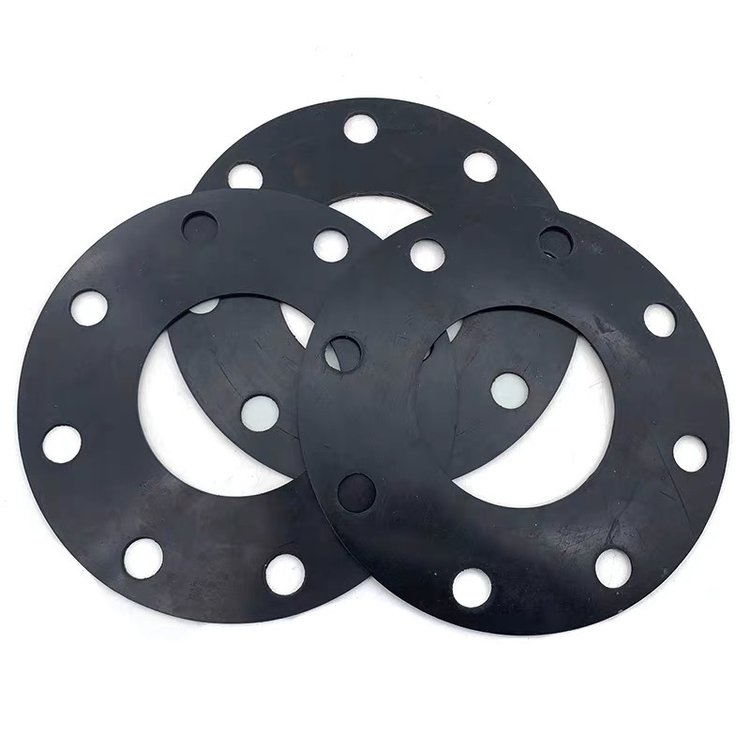
The valve cover gasket sits between the valve cover and the engine block, providing a seal to keep oil contained in the engine. Without this seal, oil could leak from the engine, causing not only a mess but also the risk of running the engine with low oil levels. The gasket ensures that the engine stays properly lubricated, preventing friction and excessive wear on the internal components.
One of the essential tasks of the valve cover gasket is to maintain the proper internal engine pressure. As the engine runs, it generates heat and pressure, and the gasket’s job is to ensure that this pressure doesn’t cause oil to leak out. The gasket keeps oil where it needs to be while also helping to prevent air from entering, which can affect engine performance.
The engine operates at very high temperatures, and the valve cover gasket is designed to handle this heat. As the engine’s internal temperature rises, the gasket must remain intact, resisting heat and pressure without deteriorating. If the gasket is made from a lower-quality material, it may crack or degrade faster, leading to leaks.
Function | Description |
Sealing | Prevents oil leaks, keeps oil contained in the engine. |
Pressure Control | Maintains engine pressure, ensuring oil stays where it's needed. |
Heat Resistance | Withstands high engine temperatures, preventing degradation. |
One of the first signs of a faulty valve cover gasket is oil leakage. Over time, the gasket can become worn, brittle, or lose its sealing properties. When this happens, oil can seep out from the area where the valve cover meets the engine block, resulting in noticeable stains on the ground or under the hood.
If you notice oil spots where you park or around the engine area, it could be a sign that the valve cover gasket needs replacement.
A leaking valve cover gasket can also lead to oil dripping onto the engine block or exhaust manifold, where the hot surfaces can cause it to burn. This leads to a burnt oil smell and, in more severe cases, visible smoke. If you detect a burning smell or smoke from under the hood, it’s important to inspect the gasket and address the issue promptly.
A faulty valve cover gasket can cause oil to leak into the ignition system, which can lead to engine misfires. Misfires can result in a rough idle, poor acceleration, and reduced engine efficiency. If the engine misfires and you notice oil leaks around the valve cover, it’s likely the gasket needs to be replaced.
When the valve cover gasket fails and oil leaks out, the engine may experience insufficient lubrication. This can result in increased friction between engine components, causing noises such as ticking, knocking, or clattering. If you hear unusual sounds coming from the engine, check the valve cover gasket to ensure it’s not causing the issue.
Valve cover gaskets naturally degrade over time due to exposure to heat and engine oil. As the gasket ages, it can become brittle, crack, or lose its sealing ability. Regular wear and tear can cause the gasket to fail, especially in older vehicles.
If the valve cover gasket is not installed correctly, it may not create a proper seal. Over-tightening or under-tightening the bolts can cause the gasket to warp, leading to leaks. Always ensure that the gasket is properly aligned and installed according to the manufacturer’s specifications.
Engines that overheat frequently or consistently operate at high temperatures can cause the valve cover gasket to fail prematurely. High temperatures can weaken the gasket material, causing it to crack or deform. Proper engine cooling and maintenance are key to preventing overheating and gasket failure.
Using poor-quality oil or oil that has become contaminated with dirt, sludge, or debris can also contribute to gasket failure. Contaminants can break down the gasket material, leading to leaks. Regular oil changes with high-quality oil can help prolong the life of the valve cover gasket.
Tip: Regularly check for signs of gasket wear or damage, and address issues promptly to avoid more serious engine problems.
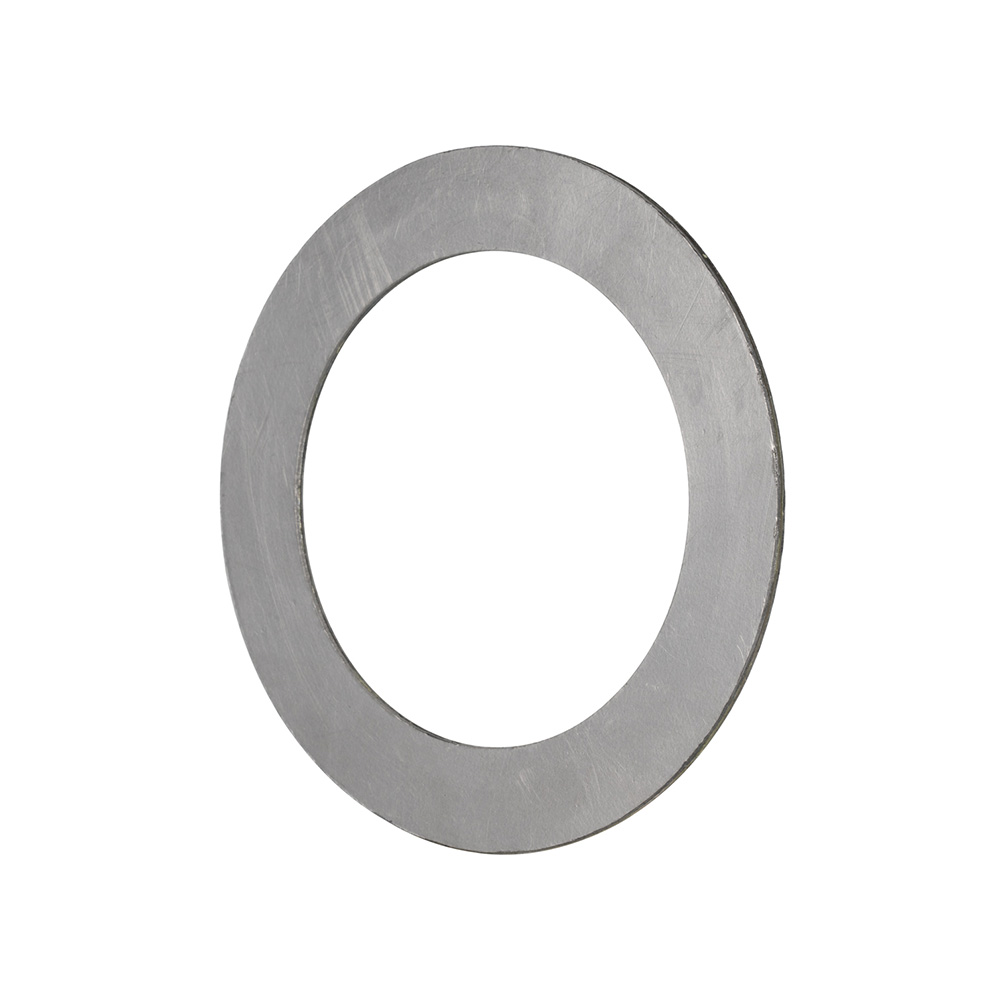
If your valve cover gasket is leaking oil, causing engine misfires, or producing smoke, it’s time to replace it. Don’t wait for the issue to worsen, as prolonged leaks can lead to engine damage and costly repairs. Replacing the gasket as soon as you notice symptoms can save you time and money in the long run.
1. Locate the valve cover: Depending on the engine design, remove any necessary components to access the valve cover.
2. Remove the old gasket: Take off the valve cover and remove the old gasket. Clean the valve cover and engine block to ensure a proper seal for the new gasket.
3. Install the new gasket: Place the new gasket on the valve cover, ensuring it is properly aligned. Make sure the gasket is seated firmly and correctly.
4. Reinstall the valve cover: Put the valve cover back in place and tighten the bolts evenly to avoid putting uneven pressure on the gasket.
5. Check for leaks: Start the engine and look for any signs of oil leaks. If the gasket is properly installed, the engine should run smoothly with no oil leakage.
Valve cover gaskets come in different materials, including rubber, cork, and silicone. Rubber gaskets are commonly used for everyday cars, while cork and silicone gaskets are more durable and better suited for high-performance engines. When choosing a new gasket, ensure it is compatible with your engine type and operating conditions.
While replacing a valve cover gasket is a relatively straightforward task, it’s important to ensure the gasket is installed properly. If you are confident in your mechanical abilities, you can tackle the replacement yourself. However, if you’re unsure, it’s best to consult a professional mechanic to avoid further complications.
Option | Pros | Cons |
DIY Replacement | Save money, hands-on experience, control over the process. | Requires tools, time, and mechanical knowledge. |
Professional | Expertise, ensures proper installation, saves time. | Higher cost, reliance on others, possible delays. |
One of the best ways to ensure the longevity of your valve cover gasket is through regular inspections. Make it a habit to check for any signs of wear or damage, such as oil leaks, cracks, or brittleness in the gasket material. These early signs can often indicate a potential failure before it becomes a bigger issue. Look for oil stains around the valve cover, as these can be a clear indication of a leaking gasket. If you spot any of these problems, addressing them early can save you from costly repairs down the road and keep your engine running smoothly.
Engine overheating is one of the leading causes of valve cover gasket failure. High temperatures can cause the gasket to degrade more quickly, leading to cracks, leaks, or a total breakdown. To avoid overheating, it’s essential to maintain a healthy cooling system. Regularly check your vehicle's coolant levels, and ensure that the radiator and thermostat are functioning properly. If your car is running hot, it can put undue stress on your gasket, shortening its lifespan and causing it to fail prematurely. Addressing cooling issues promptly will help ensure that your gasket lasts as long as possible.
When it comes to valve cover gaskets, quality matters. Low-quality gaskets may not be able to withstand the high heat and pressure within your engine, leading to premature failure. Opting for high-quality gaskets made from durable materials like silicone or rubber will provide better heat resistance and overall performance. High-quality gaskets also resist cracking and wear better over time, reducing the frequency of replacements. By choosing a reliable gasket, you’re investing in the longevity of your engine and ensuring that the valve cover seal remains strong and effective.
The valve cover gasket is a small but essential part of your vehicle’s engine. It plays a critical role in maintaining engine oil levels, preventing leaks, and ensuring smooth engine operation. Regular maintenance and timely replacement can prevent costly engine damage and enhance your vehicle's performance.
When choosing a gasket, DONHONSIL Gasket offers high-quality products designed for durability and performance. Their gaskets provide long-lasting solutions, ensuring your engine stays in top condition.
A: A valve cover gasket seals the valve cover to the engine block, preventing oil leaks and helping to maintain engine pressure and lubrication.
A: Signs of a bad valve cover gasket include oil leaks, engine misfires, and smoke. If you notice these symptoms, the gasket may need to be replaced.
A: The valve cover gasket ensures the engine stays properly lubricated by preventing oil leaks and protecting sensitive engine components from contamination.
A: Yes, if the valve cover gasket fails, oil leaks can lead to engine misfires, overheating, and serious internal damage if left unaddressed.
A: Replacing a valve cover gasket typically costs between $100 and $400, depending on the vehicle and labor involved.
A: Valve cover gaskets last about 50,000 to 100,000 miles, but this can vary based on engine type and driving conditions.


