
Engineered to seal,
The last line of defense against leakage
+86-13566064802

Have you ever wondered what keeps your car engine from leaking oil or your plumbing from dripping? The answer often lies in a small yet essential component: the rubber gasket. These flexible seals are crucial across various industries, from automotive to aerospace, ensuring systems operate smoothly without leaks. In this post, you'll learn what a rubber gasket is and why it's indispensable in many fields.
A rubber gasket is a flexible sealing component placed between two surfaces to prevent leaks of liquids or gases. It fills the space between these surfaces, creating a tight barrier that stops fluids from escaping or contaminants from entering. Unlike seals that often work around moving parts, rubber gaskets mostly join stationary components, such as flanges or pipe connections.
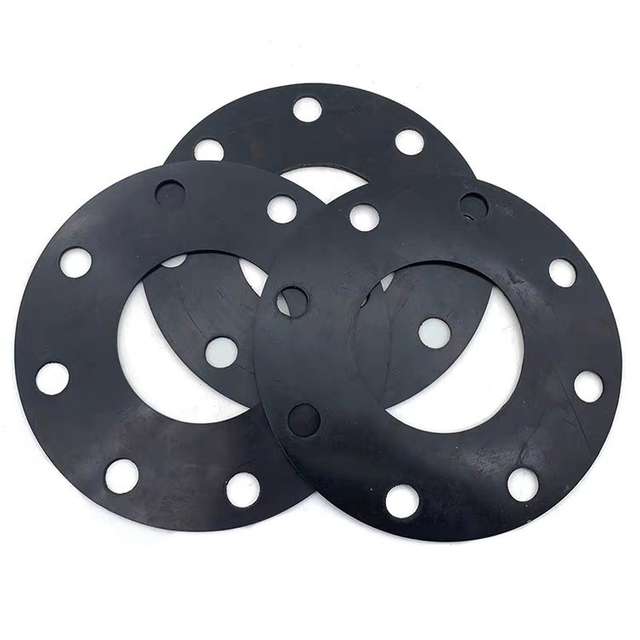
Rubber gaskets come in many shapes and sizes, including flat sheets, rings (like O-rings), or custom-molded forms. Their design depends on the application, ensuring a perfect fit to the surfaces they seal. The flexibility of rubber allows these gaskets to compress and conform to uneven or rough surfaces, which helps maintain a secure seal even under pressure or temperature changes.
Rubber gaskets are made from various rubber compounds, each offering unique properties suited to different environments and uses. The most common materials include:
Neoprene: Known for good resistance to oils, weather, and ozone. It works well in automotive and marine applications.
Silicone: Offers excellent flexibility and can withstand high temperatures. It's often used in food processing and medical devices because it is non-toxic.
EPDM (Ethylene Propylene Diene Monomer): Resistant to water, steam, and UV rays. Ideal for outdoor use, plumbing, and HVAC systems.
Nitrile (Buna-N): Excellent resistance to oils and fuels, making it common in automotive and industrial machinery.
Natural Rubber: Highly elastic and abrasion-resistant but less tolerant to heat and chemicals. Suitable for general-purpose sealing.
Fluoroelastomers (e.g., Viton): Provide superior chemical and heat resistance, often used in aerospace and chemical processing industries.
Each material varies in hardness, elasticity, temperature tolerance, and chemical resistance. Selecting the right rubber depends on the operating conditions, such as temperature range, exposure to chemicals, pressure levels, and environmental factors.
| Material | Temperature Range | Key Features | Common Applications |
|---|---|---|---|
| Neoprene | -40°C to +120°C | Weather, oil resistant | Automotive, marine |
| Silicone | -60°C to +230°C | High temperature, flexible, food-safe | Medical, food processing |
| EPDM | -40°C to +120°C | Water, steam, UV resistant | Plumbing, HVAC, outdoor |
| Nitrile | -40°C to +120°C | Oil and fuel resistant | Automotive, industrial machinery |
| Natural Rubber | -50°C to +80°C | Elastic, abrasion resistant | General-purpose sealing |
| Fluoroelastomers | -20°C to +250°C | Chemical and heat resistant | Aerospace, chemical processing |
Choosing the correct rubber gasket material ensures durability and effectiveness, preventing leaks and protecting equipment over time. Always match rubber gasket materials to the specific chemicals and temperature conditions of your application to maximize seal performance and lifespan.
Rubber gaskets play a crucial role in sealing joints between two surfaces to prevent leaks of liquids or gases. Their flexible nature allows them to compress and fill gaps, creating a tight barrier that blocks fluids or contaminants from escaping or entering. This sealing function is vital in many systems, from plumbing pipes to automotive engines, where even minor leaks can cause damage or safety hazards. By maintaining a leak-proof seal, rubber gaskets help protect equipment and ensure smooth operation.
Beyond sealing, rubber gaskets provide excellent insulation properties. They act as a cushion between components, reducing heat transfer and electrical conductivity where needed. This helps maintain temperature control and protects sensitive parts. Additionally, rubber’s natural elasticity absorbs vibrations and shocks generated by machinery or environmental forces. This vibration damping reduces noise, minimizes wear and tear, and extends the lifespan of equipment. For example, in automotive or aerospace applications, rubber gaskets help protect delicate systems from damaging vibrations.
Rubber gaskets also maintain system pressure by sealing connections tightly, preventing pressure loss in pipelines, tanks, or engines. This is essential in industries like oil and gas or chemical processing, where consistent pressure ensures safe and efficient operation. By preserving pressure, rubber gaskets improve overall system efficiency, reduce energy waste, and prevent costly downtime. Their ability to withstand various pressures and environmental conditions makes them indispensable for maintaining operational integrity.

Sheet gaskets are flat rubber sheets cut into desired shapes or sizes. They offer versatility because you can easily customize them by cutting or punching. These gaskets work well for general sealing tasks, such as plumbing flanges, HVAC systems, or machinery covers.
Advantages:
Easy to cut into various shapes
Cost-effective for many applications
Suitable for low to moderate pressure and temperature
Limitations:
Not ideal for very high-pressure or extreme temperature environments
Can require careful installation to avoid leaks
O-rings are circular gaskets that fit into grooves to seal joints. They are widely used in both static and dynamic applications, such as hydraulic systems, pumps, and valves. Moulded gaskets, on the other hand, are custom-shaped rubber parts made using molds. These provide precise fits and are common in automotive engines, aerospace, and electrical enclosures.
Advantages:
O-rings provide excellent sealing in round joints
Moulded gaskets offer tailored shapes for complex designs
Both can handle moderate pressure and temperature ranges
Limitations:
O-rings may wear faster under high pressure or abrasive conditions
Moulded gaskets require longer manufacturing lead times and higher costs
Gasket seals are specialized rubber gaskets designed to fit into grooves or channels. They provide secure sealing for doors, windows, cabinets, and industrial enclosures. These seals prevent dust, moisture, and air from passing through openings.
Advantages:
Provide reliable sealing in groove applications
Help reduce noise and vibration
Enhance insulation and protection from environmental factors
Limitations:
Less flexible in placement compared to sheet gaskets
Usually designed for specific groove sizes and shapes
Tip: When selecting a rubber gasket type, consider the shape and pressure requirements of your joint to ensure the best sealing performance and durability.
Neoprene is a versatile rubber known for its good resistance to oils, weather, and ozone. It handles temperature ranges from about -40°C to 120°C. This makes it a solid choice for automotive parts, marine equipment, and outdoor applications. Neoprene’s moderate flexibility helps it seal well against rough or uneven surfaces, while its resistance to oils keeps it reliable in engine compartments or machinery exposed to fuels.
Silicone stands out for its excellent flexibility and ability to withstand extreme temperatures, from -60°C up to 230°C. It’s also non-toxic and food-safe, making it popular in medical devices and food processing equipment. Silicone gaskets remain flexible even in cold conditions and resist UV rays and ozone, which helps them last long outdoors or in harsh environments.
EPDM (Ethylene Propylene Diene Monomer) is prized for its resistance to water, steam, and UV light. It works well in plumbing, HVAC systems, and outdoor seals. EPDM’s temperature range usually spans from -40°C to 120°C, making it suitable for many general-purpose sealing needs. Its strength against weathering and aging allows it to maintain seals in outdoor conditions without cracking or degrading quickly.
Nitrile (Buna-N) is highly resistant to oils, fuels, and many chemicals. It typically operates between -40°C and 120°C and is the preferred choice in automotive fuel systems, industrial machinery, and oil handling. Nitrile gaskets provide excellent abrasion resistance and maintain a tight seal even when exposed to petroleum products, which would degrade other rubber types.
Natural Rubber offers excellent elasticity and abrasion resistance but has a narrower temperature tolerance, usually from -50°C to 80°C. It’s great for general sealing where flexibility and resilience are needed but not in high-heat or chemically aggressive environments. Natural rubber is often found in shock-absorbing gaskets and applications requiring high elasticity.
Fluoroelastomers (e.g., Viton) provide superior chemical and heat resistance, handling temperatures from about -20°C to 250°C. They are ideal for aerospace, chemical processing, and other demanding applications where exposure to harsh chemicals and high heat is common. Fluoroelastomer gaskets maintain their sealing properties under extreme conditions, offering long-term reliability.
Rubber gaskets are everywhere, playing a crucial role in many industries by creating tight seals that prevent leaks, protect equipment, and improve safety. Let’s explore some key sectors where rubber gaskets make a big difference.
In the automotive industry, rubber gaskets seal engine parts, transmissions, and fuel systems. They stop oil, coolant, and fuel leaks, which helps engines run smoothly and safely. For example, gaskets keep combustion chambers sealed, maintaining pressure essential for engine performance. They also reduce vibrations, protecting delicate components.
Aerospace demands even more. Rubber gaskets here must withstand extreme temperatures, pressure changes, and vibrations. They seal fuel lines, hydraulic systems, and airframes, ensuring aircraft safety and efficiency. Materials like fluoroelastomers are common because they resist harsh chemicals and heat found in aerospace environments.
The oil and gas industry relies on rubber gaskets to prevent leaks in pipelines, valves, and refineries. These gaskets handle high pressures and exposure to tough chemicals, protecting the environment and workers.
In plumbing, rubber gaskets seal pipe joints, faucets, and valves to stop water leaks. They keep water flowing efficiently and prevent damage caused by leaks. EPDM gaskets are popular here due to their excellent resistance to water and steam.
HVAC systems use rubber gaskets to seal ducts and vents, maintaining airtight conditions. This helps control temperature and reduces energy loss, making heating and cooling more efficient. Gaskets also dampen vibrations and noise in HVAC equipment.
In medical devices and food processing, rubber gaskets must meet strict hygiene standards. Silicone gaskets are often used because they're non-toxic, flexible, and can handle high temperatures. They seal equipment to keep contaminants out, ensuring safety and cleanliness.
Electronics benefit from rubber gaskets that protect sensitive components. These gaskets seal out dust, moisture, and other contaminants, extending the life of devices like smartphones, computers, and industrial control panels. Small, precise gasket seals like O-rings are common in these applications.
Installing rubber gaskets correctly is key to ensuring a reliable seal and long service life. Start by thoroughly cleaning the mating surfaces. Remove dirt, old gasket material, grease, or debris to create a smooth base. Even minor particles can cause leaks or uneven compression.
Next, carefully align the gasket with the surfaces it will seal. Misalignment can cause uneven pressure, leading to failure or leaks. When placing the gasket, avoid stretching or twisting it, as this can damage the material.
Apply the correct compression by tightening bolts or fasteners evenly and in a cross pattern. Over-tightening can deform the gasket, while under-tightening may lead to leaks. If recommended, use a thin layer of compatible lubricant or gasket sealant to ease installation and improve sealing. Always follow manufacturer guidelines for torque specifications and installation procedures.
Regular maintenance helps rubber gaskets perform well over time. Schedule periodic inspections to check for cracks, tears, or flattening. Visual signs of wear indicate the gasket may need replacement.
Keep the gasket and surrounding area clean to prevent contamination from dirt or chemicals. Make sure bolts remain properly tightened to maintain consistent compression.
Consider the operating environment. Exposure to incompatible chemicals or extreme temperatures can shorten gasket life. Choose materials suited for the specific conditions to avoid premature degradation.
Replacing gaskets before complete failure prevents leaks and costly downtime. Keep spare gaskets on hand for quick swaps during maintenance.
Leaks are the most common sign of gasket problems. They may result from loose bolts, improper compression, or damaged gaskets. Check bolt tightness first, then inspect the gasket for visible damage.
Compression set occurs when a gasket loses its ability to rebound after being compressed. This leads to poor sealing. Replace gaskets showing signs of compression set to restore proper sealing.
Chemical attack can cause swelling, brittleness, or disintegration. If a gasket is exposed to incompatible fluids, switch to a more resistant material and replace the damaged gasket immediately.
Age and wear naturally degrade rubber gaskets. Over time, they become brittle or cracked. Regular inspection helps catch these issues early.
Rubber gaskets are essential for sealing, insulation, and maintaining pressure in various industries. They prevent leaks, protect equipment, and enhance efficiency. Future trends include advancements like nano-fillers and self-healing technology, offering durability and reduced maintenance. Companies like DONHONSIL provide innovative gasket solutions, ensuring reliable performance and value.
A: A rubber gasket is a flexible sealing component used to prevent leaks between two surfaces, ensuring a tight barrier against liquids or gases.
A: Rubber gaskets compress and conform to surfaces, filling gaps to create a seal that blocks fluids or contaminants from escaping or entering.
A: Rubber gaskets offer flexibility, durability, and excellent sealing properties, making them ideal for various applications across industries.
A: The cost of rubber gaskets depends on material type, size, design complexity, and specific performance requirements.
A: Check for loose bolts, inspect for damage, and ensure proper compression. Replace if necessary to restore the seal.


