
No.67,Xinhua Road, Xiaolin Town,
Cixi City,Zhejiang,China 315300
Call Us
+86-13566064802

Views: 0 Author: Site Editor Publish Time: 2025-11-08 Origin: Site
Ever wondered how machines maintain tight seals to prevent leaks? Gaskets play a crucial role in sealing joints across various industries. Choosing the right gasket ensures efficiency and safety.
In this post, we’ll explore the three main types of gaskets: Metallic, Non-Metallic, and Composite. You’ll learn their materials, advantages, and common applications.
Metallic gaskets are crafted from durable metals like copper, stainless steel, and aluminum. These materials are specifically chosen for their ability to withstand high temperatures and pressures, making metallic gaskets ideal for demanding applications.
Metallic gaskets are designed to handle tough environments. They are commonly made from materials such as copper, stainless steel, and aluminum, which are known for their strength and ability to endure extreme conditions. These gaskets are often used in high-pressure and high-temperature situations, ensuring a tight seal that can handle the stress without failure.
The key advantages of metallic gaskets are their durability and resistance to extreme conditions. They are built to last, even in environments where other types of gaskets might fail. Additionally, many metallic gaskets can be reused, especially those with solid metal cores, which can still provide excellent sealing performance after compression. Their high strength ensures they can maintain a strong seal even under pressure.
Metallic gaskets are commonly used in automotive engines, chemical plants, and power generation facilities. They are ideal for applications requiring a high level of sealing performance under extreme pressure or temperature conditions. For example, they are frequently found in spool gaskets and flange joints, where a secure, reliable seal is essential.
There are several common types of metallic gaskets, each with its own design tailored to specific applications.
Spiral wound gaskets are made by winding metal around a soft filler material. This combination allows them to seal effectively in high-pressure and high-temperature environments. The filler material, often graphite or PTFE, adds flexibility, ensuring the gasket maintains its seal under varying conditions.
Ring joint gaskets are made entirely of solid metal and are primarily used in oil and gas pipelines. These gaskets provide a reliable seal even under extremely high pressure, ensuring that leaks do not occur in critical systems like pipeline joints.
These metallic gaskets are essential in many industrial applications where strength and durability are crucial for performance and safety.
Non-metallic gaskets are made from a variety of materials such as rubber, cork, PTFE, and graphite. These materials are ideal for sealing in low to medium-pressure environments, where extreme conditions aren’t as much of a concern.
Non-metallic gaskets are crafted using flexible materials like rubber, cork, PTFE, and graphite. These materials are perfect for creating seals in applications where pressure is not too high. Non-metallic gaskets can conform easily to irregular surfaces, which helps ensure a tight seal. These gaskets are commonly used in systems that don’t require the extreme durability of metallic gaskets.
The main advantages of non-metallic gaskets are their flexibility, cost-effectiveness, and chemical resistance. They can easily adjust to uneven surfaces, making them ideal for many sealing jobs. Non-metallic gaskets also tend to be less expensive than metallic options. Their ability to resist chemicals, oils, and water makes them useful for a variety of industries, especially in less extreme environments.
Non-metallic gaskets are widely used in HVAC systems, plumbing, and low-pressure industrial machinery. These gaskets excel in sealing against fluids and gases, offering reliable protection against leaks in systems where pressure and temperature are not as extreme.
There are several types of non-metallic gaskets, each suited for specific sealing needs.
Rubber gaskets are commonly made from materials like silicone and EPDM. These gaskets are perfect for sealing water, air, and other non-corrosive fluids. They are flexible, easy to install, and work well in HVAC systems, plumbing, and other similar applications.
PTFE gaskets, also known as Teflon gaskets, are known for their excellent chemical resistance. They are commonly used in industries like pharmaceuticals and food processing, where contamination must be avoided. Their ability to resist acids, solvents, and high temperatures makes them ideal for these types of applications.
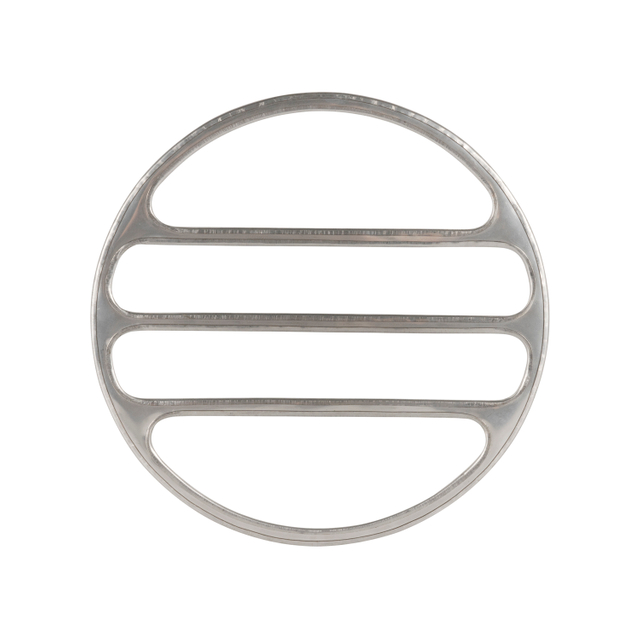
Composite gaskets combine both metals and non-metals to take advantage of the strengths of each. These gaskets are designed to provide enhanced sealing performance while maintaining flexibility, making them ideal for various applications.
Composite gaskets use a mix of metallic and non-metallic materials. The core typically consists of a metal, while non-metallic materials such as graphite or PTFE are used on the sealing surface. This combination helps create a gasket that is both strong and flexible, perfect for handling challenging environments. The metallic core adds strength and durability, while the non-metallic surface ensures a tight seal.
Composite gaskets are known for their versatility and adaptability. They are often customized to meet the specific requirements of an application, which makes them ideal for industries needing both strength and flexibility. Their construction allows them to perform well under fluctuating conditions, offering reliable sealing even when temperatures and pressures vary.
These gaskets are used in industries where a combination of strength and flexibility is needed, such as in automotive and aerospace sectors. Composite gaskets provide the durability necessary for high-stress environments while still offering the flexibility to handle expansion and contraction.
There are several types of composite gaskets, each designed to handle specific sealing challenges.
Kammprofile gaskets have a metal core with raised concentric corrugations. The corrugations allow the gasket to compress and form a seal under fluctuating pressure and temperature conditions. These gaskets offer excellent sealing performance, especially in high-pressure environments.
Camprofile gaskets feature a serrated metal core and a non-metallic surface. This design helps improve sealing under pressure, making it ideal for applications where leakage must be prevented even under challenging conditions. The serrations enhance the gasket's ability to compress and create a tight seal.
When choosing the right gasket for your application, it’s important to understand the material differences and how each type performs under specific conditions. Each gasket type offers unique benefits depending on factors like temperature, pressure, and the environment.
Choosing the right material for your gasket depends on the specific demands of your application. Metallic gaskets are perfect for high-pressure and high-temperature environments. They provide strength and durability but may lack flexibility. Non-metallic gaskets, on the other hand, are often more flexible and are best used in low to medium-pressure applications where sealing against liquids or gases is required. Composite gaskets combine the best of both worlds, offering the strength of metal with the flexibility of non-metallic materials. These are ideal for applications that require both adaptability and strength.
Each gasket type excels in different conditions:
● Metallic gaskets are known for their strength and durability. They are ideal for high-pressure and high-temperature environments where other gaskets might fail. Their main advantage is their ability to maintain a tight seal under extreme conditions.
● Non-metallic gaskets offer great flexibility, making them perfect for applications with irregular surfaces or lower pressures. They are ideal for sealing fluids and gases in environments where extreme temperature and pressure aren’t a concern.
● Composite gaskets provide a balance between strength and flexibility. These gaskets are adaptable and can be customized for specific needs. They are especially useful in applications where both high performance and flexibility are needed, such as in automotive or aerospace industries.
Each type of gasket has its unique strengths, making it essential to choose the right one for your specific needs. Whether you need strength, flexibility, or adaptability, there’s a gasket type that can handle the job.
Gasket Type | Material | Best For | Advantages |
Metallic | Metal (stainless steel, copper, etc.) | High-pressure, high-temperature applications | Strength, durability, and reusability |
Non-Metallic | Rubber, cork, PTFE, graphite | Low to medium-pressure applications | Flexibility, cost-effectiveness, chemical resistance |
Composite | Combination of metals and non-metals | Applications needing both strength and flexibility | Adaptability, enhanced sealing performance |
Tip: When selecting a gasket, consider the pressure and temperature your system will face. Use metallic gaskets for high-pressure or high-temperature situations, non-metallic gaskets for flexible sealing in low-pressure systems, and composite gaskets when you need a balance of strength and flexibility for demanding applications.
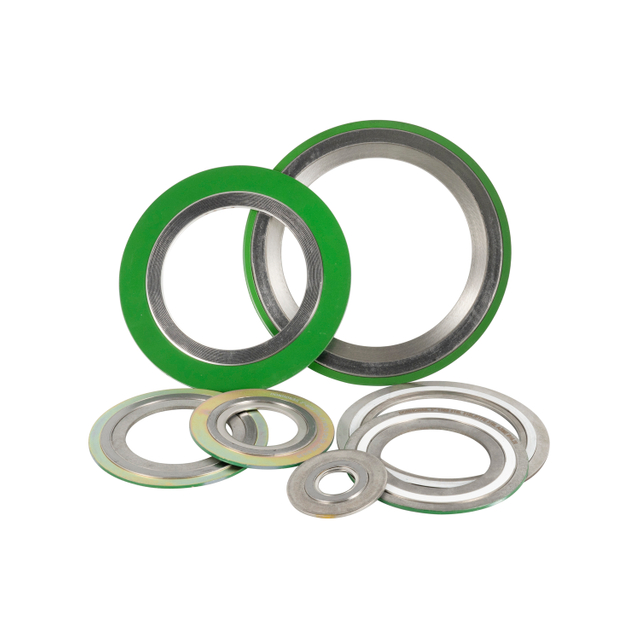
Selecting the right gasket is crucial to ensuring that your equipment operates efficiently and safely. It’s important to consider various factors before making a decision on which gasket to use.
When choosing a gasket, consider the following factors to ensure optimal performance:
● Application environment: What are the operating pressure, temperature, and chemicals the gasket will be exposed to? Gaskets in high-pressure systems need materials that can withstand force and heat, while those in chemical processes require resistance to corrosive substances.
● Required durability: How long does the gasket need to last under physical stress and environmental exposure? Gaskets in machinery subjected to vibrations or high wear require materials that offer strength and durability.
Here are some helpful tips to guide your selection:
● Metallic gaskets are best for high-pressure systems, such as in power plants or automotive engines. They provide the strength needed to withstand extreme conditions.
● Non-metallic gaskets should be chosen for low-pressure applications, such as plumbing systems or HVAC units. These gaskets offer flexibility and are perfect for sealing water, air, or other less aggressive substances.
● Composite gaskets are ideal for complex, high-stress applications, such as in aerospace or automotive industries, where both strength and flexibility are required. These gaskets offer adaptability and sealing performance in fluctuating conditions.
By understanding your application’s demands, you can choose the right gasket material to ensure long-term performance and a tight, reliable seal.
The world of gasket manufacturing has seen tremendous advancements in recent years. With new technologies, it’s now possible to create more efficient, durable, and customized gaskets for a variety of applications. These innovations help meet the unique challenges of modern industries.
One major advancement in gasket production is the use of advanced manufacturing techniques. Machines like PU foam sealing machines have revolutionized the process, making it easier to create custom gaskets. These machines apply polyurethane foam to create flexible and resilient seals, ensuring that gaskets fit perfectly in irregular or complex geometries. The result is a gasket that performs well even in the most demanding environments.
Gaskets can now be made to meet specific requirements. Whether it’s for high-temperature systems or complex shapes, manufacturers can create gaskets tailored to meet a wide range of performance criteria. Custom gaskets are designed to ensure a perfect fit for unique applications, such as automotive engines, aerospace systems, or chemical processing plants. The ability to customize gaskets helps enhance their sealing ability and longevity, providing better performance and reliability.
These technological improvements in gasket manufacturing allow industries to have more precise, reliable, and adaptable sealing solutions. Whether it's creating gaskets for extreme pressure, temperature, or unique shapes, innovation is playing a key role in meeting modern sealing needs.
The three main types of gaskets—metallic, non-metallic, and composite—play a vital role in various industries. Understanding the properties of each gasket type ensures safety and efficiency in sealing applications. Selecting the correct gasket material for specific needs is crucial for optimal performance. Companies like DONHONSIL provide high-quality gaskets that deliver exceptional value by meeting industry demands for durability and reliability in sealing solutions. Their products help optimize performance across various sectors.
A: The three main types of gaskets are metallic, non-metallic, and composite. Each type offers unique advantages depending on the application, such as strength, flexibility, and adaptability.
A: Metallic gaskets are best for high-pressure and high-temperature applications. They provide strength and durability in demanding environments like power plants or automotive engines.
A: Non-metallic gaskets are flexible and cost-effective. They are ideal for sealing in low-pressure systems and provide excellent resistance to chemicals and fluids.
A: Composite gaskets combine the strength of metals and the flexibility of non-metallic materials, offering excellent sealing performance for high-stress applications.


