
Engineered to seal,
The last line of defense against leakage
+86-13566064802

Views: 0 Author: Site Editor Publish Time: 2026-03-05 Origin: Site
Have you ever wondered why industrial gaskets outperform engine gaskets? This article compares Spiral Wound Gasket and valve cover gaskets. You will learn their differences, materials, and best uses.
A Spiral Wound Gasket is a high-performance sealing solution used in industrial piping and flanges. It’s built from alternating metallic windings and a softer filler material, forming a resilient, leak-proof barrier. The metal strips, often stainless steel or Monel, provide structural strength, while the filler, such as graphite or PTFE, ensures chemical resistance and temperature tolerance. They adapt to flange imperfections and maintain a seal even when the surfaces shift slightly due to thermal expansion.
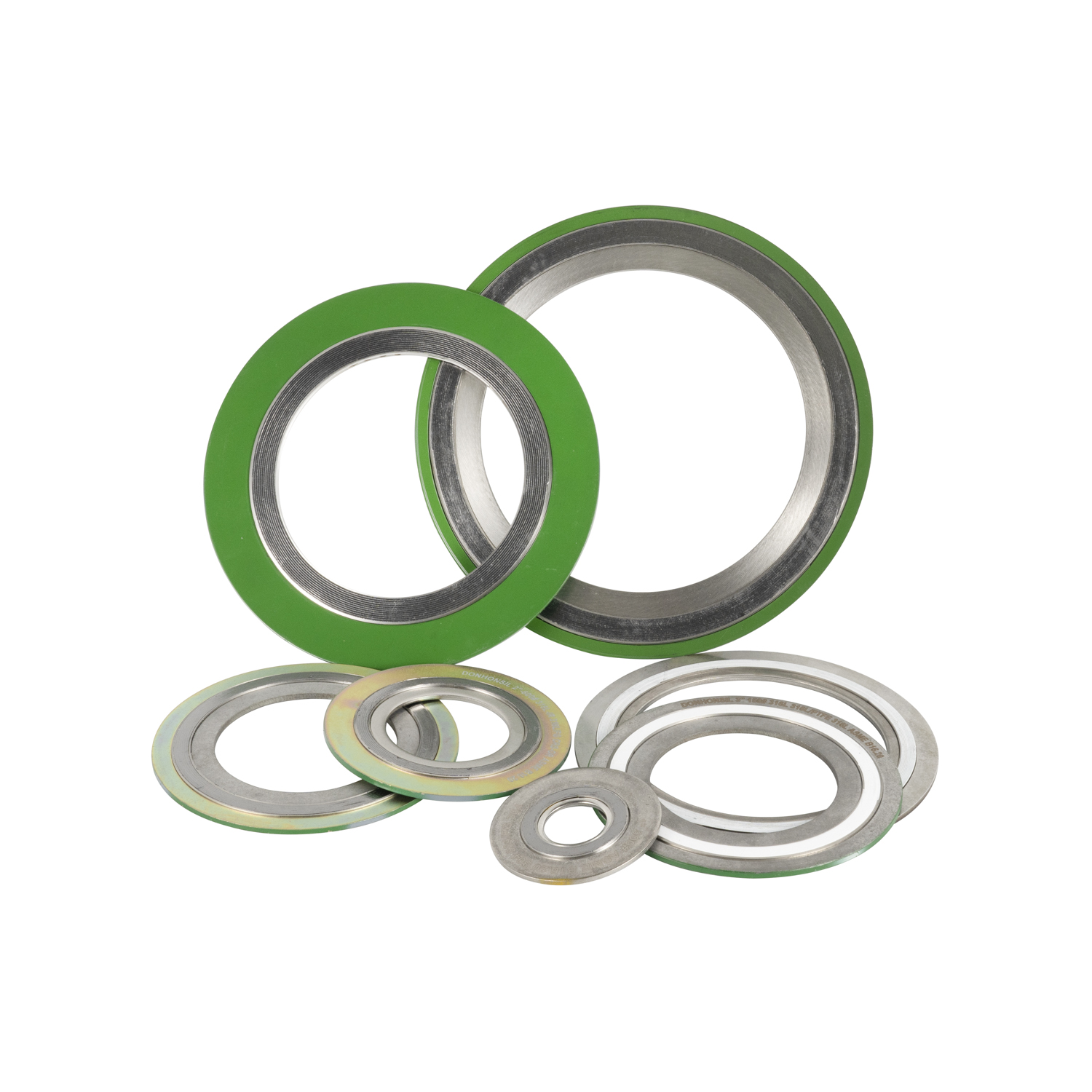
Main Components:
● Outer Ring: Centers the gasket in the flange and protects edges from damage.
● Inner Ring: Prevents windings from buckling and keeps the seal intact under high pressures.
● Sealing Element: Spiral windings plus filler material create the primary leak-proof surface.
● Filler Materials: Graphite, PTFE, or ceramic, each suited for specific chemical and temperature conditions.
Here’s a quick comparison of filler materials often used in spiral wound gaskets:
Filler Material | Advantages | Typical Applications |
Graphite | High temperature and chemical resistance | Oil & gas pipelines, heat exchangers |
PTFE | Excellent chemical resistance, low friction | Corrosive chemical services |
Ceramic | High-temperature and electrical insulation | Specialized chemical processes |
Mica | Heat-resistant, durable | High-temperature flanges, industrial valves |
XS Seal, for example, manufactures spiral wound gaskets combining metal windings and engineered fillers to handle demanding industrial environments reliably.
Spiral wound gaskets are popular because they balance flexibility, strength, and durability. They seal effectively under extreme pressure and temperature, outperforming traditional flat gaskets in harsh conditions.
Key Benefits:
● High Temperature and Pressure Resistance: Handles extreme conditions found in chemical plants, power generation, and oil refineries.
● Chemical and Corrosion Resistance: Maintains seal integrity even when exposed to aggressive fluids.
● Durable and Long-Lasting: Reduces downtime and maintenance costs thanks to resilient construction.
● Adaptable: Works across different flange types, even when misaligned or imperfectly machined.
Applications Overview (Bullet List):
● Oil & Gas Industry: Flanges, pipelines, valves, and heat exchangers.
● Petrochemical Plants: Reactors, distillation columns, and high-pressure vessels.
● Power Generation: Turbines, boilers, and condensers.
● Chemical Manufacturing: Corrosive media handling and high-temperature processes.
XS Seal provides spiral wound gaskets tailored to specific project requirements, including pressure class, filler type, and flange dimensions, ensuring that each gasket matches its industrial application precisely.
A valve cover gasket is an essential component in automotive engines. It sits between the valve cover and cylinder head, forming a secure seal that prevents oil from leaking. Oil leaks can cause engine friction, overheating, or damage over time, so a reliable gasket is critical for smooth engine operation. These gaskets must tolerate engine heat, vibrations, and exposure to oil and chemicals while maintaining a tight seal.
Key Features:
● Oil Containment: Prevents oil from escaping and reaching engine components like spark plugs.
● Protection: Keeps dirt, dust, and debris out of the cylinder head.
● Engine Performance: Maintains consistent lubrication to reduce wear and tear.
Common materials include rubber, cork, silicone, and plastic. Each material is selected based on flexibility, heat tolerance, and resistance to chemicals. Silicone is particularly popular for modern engines because it handles high temperatures and pressure without cracking. Rubber offers a cost-effective solution for standard engines, while cork is often used in older vehicles. Plastic gaskets are lightweight and molded for specific designs, making them ideal for budget-friendly applications.
Quick Reference: Valve Cover Gasket Materials
Material | Heat Resistance | Flexibility | Durability | Typical Use |
Rubber | Moderate | High | Medium | Standard engines |
Cork | Low to Medium | Medium | Low | Older engines |
Silicone | High | High | High | Performance engines |
Plastic | Low to Medium | Low | Medium | Lightweight or budget models |
Valve cover gaskets come in various types and materials, each designed for specific automotive applications. Understanding the right choice helps avoid leaks, misfires, or engine damage.
Material Types and Advantages:
● Rubber Gaskets: Affordable, flexible, seals well under moderate heat and pressure. Suitable for everyday vehicles.
● Cork Gaskets: Economical, easy to mold, works well for older engines. May dry or crack over time.
● Silicone Gaskets: Heat-resistant, durable, perfect for high-performance engines and turbocharged vehicles.
● Plastic Gaskets: Lightweight, molded for specific engine designs, ideal for cost-sensitive models with lower heat exposure.
Key Considerations When Choosing a Valve Cover Gasket:
● Engine Temperature: High-temperature engines need silicone or specialty materials.
● Exposure to Oil and Chemicals: Rubber or cork may degrade faster under harsh oil or chemical exposure.
● Vehicle Age and Design: Older engines often use cork; modern high-performance engines benefit from silicone.
● Cost vs. Longevity: Budget engines may tolerate rubber or plastic, while premium vehicles rely on longer-lasting silicone solutions.
By selecting the right valve cover gasket, the engine maintains oil integrity, prevents misfires, and avoids unnecessary maintenance, keeping performance smooth. Integrating Spiral Wound Gasket knowledge helps compare industrial applications and shows how precision in gasket design is critical across automotive and industrial environments.
Spiral Wound Gaskets are engineered for extreme industrial environments. They handle high pressures, soaring temperatures, and corrosive fluids, making them ideal for pipelines, valves, and chemical reactors. They adapt to flange misalignment and maintain a strong seal even under fluctuating conditions.
Valve Cover Gaskets, on the other hand, are made for automotive engines. They prevent oil leaks under moderate temperatures and pressures, protecting cylinder heads and engine components. Unlike spiral wound gaskets, they aren’t designed to withstand industrial-level heat or chemical exposure but perform perfectly in cars and trucks.
Comparison Overview (Bullet Points):
● Spiral Wound Gaskets: Oil & gas, petrochemical, power generation, and chemical plants.
● Valve Cover Gaskets: Cars, trucks, motorcycles, and standard engines.
● Environmental Stress: Spiral wound gaskets tolerate extreme cycles; valve cover gaskets handle moderate engine cycles.
● Adaptability: Spiral wound gaskets flex under thermal expansion; valve cover gaskets rely on material elasticity.
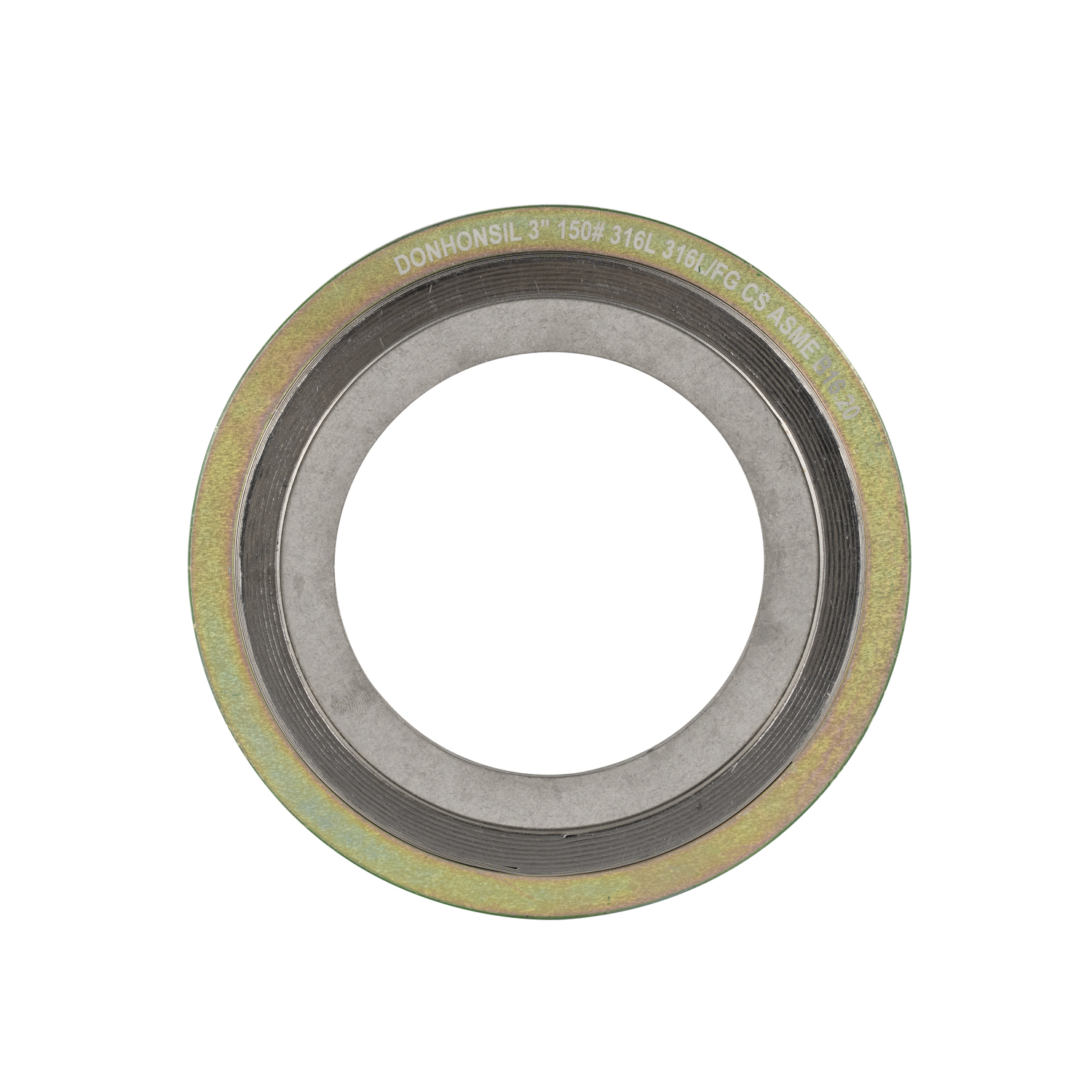
Materials define the capabilities of each gasket type. Spiral Wound Gaskets combine metallic windings (stainless steel, Monel) with engineered fillers like graphite or PTFE, giving them exceptional resistance to pressure, temperature, and chemical attack.
Valve Cover Gaskets use softer materials such as rubber, cork, silicone, or plastic. These materials provide enough flexibility and sealing for engine oil but would fail under the extreme conditions spiral wound gaskets endure.
Gasket Type | Core Material | Temperature Range | Chemical Resistance | Performance Level |
Spiral Wound Gasket | Metal + Graphite/PTFE | -100°C to 600°C+ | High | Industrial, heavy-duty |
Valve Cover Gasket | Rubber, Cork, Silicone, Plastic | -40°C to 200°C | Moderate | Automotive, engine use |
XS Seal manufactures spiral wound gaskets combining precise metal windings and engineered fillers. This ensures durability, adaptability, and performance in high-pressure and corrosive environments.
Spiral Wound Gaskets are built to last. Their construction resists creep, thermal cycling, and chemical corrosion, making them reliable for years in demanding industrial applications. They reduce downtime and maintenance costs due to their resilience.
Valve Cover Gaskets wear out faster. Engine heat, oil, and chemical exposure can degrade rubber, cork, or silicone, requiring periodic replacement. While sufficient for automotive applications, they lack the extreme durability of spiral wound gaskets.
Durability Factors (Bullet Points):
● Spiral Wound Gaskets: Metal windings prevent buckling; fillers resist chemical attack; ideal for repeated thermal cycles.
● Valve Cover Gaskets: Material choice affects lifespan; silicone lasts longer than rubber or cork; all are subject to engine heat and vibration.
● Maintenance Impact: Spiral wound gaskets extend operational uptime; valve cover gaskets require regular inspection and replacement.
This contrast highlights why Spiral Wound Gaske are preferred in industrial sealing, while valve cover gaskets remain specialized for automotive engine protection.
When selecting a Spiral Wound Gasket for industrial use, several factors come into play. First, the pressure class must match the system’s operating conditions. High-pressure flanges require gaskets that can withstand repeated stress without deforming. Next, chemical compatibility is crucial: the gasket material must resist the fluids in your pipelines, whether acids, oils, or solvents. Temperature range is also key; industrial processes often see extreme fluctuations, and a resilient gasket will maintain a seal under these conditions.
XS Seal offers customized spiral wound gaskets that meet these specific requirements. They combine precise metal windings with engineered fillers to handle harsh industrial environments. Their team provides technical consultation and rapid response services, helping clients choose the right gasket for each application.
Checklist for Industrial Gasket Selection:
● Pressure class rating suitable for flange specification.
● Chemical compatibility of filler and metal winding.
● Temperature tolerance for extreme operational conditions.
● Optional inner/outer rings for anti-buckling support.
● Compliance with standards like ASME B16.20.
For automotive engines, the selection of a valve cover gasket focuses on engine fluids, vibration, and heat tolerance. Materials must handle hot engine oil without degrading. Rubber and silicone are common because they flex under vibration while keeping a tight seal. Cork can be used for older engines but wears faster over time.
Factors to Consider:
● Engine fluid compatibility, especially oil and coolant.
● Temperature range typical for engine operation.
● Resistance to engine vibration and movement.
● Longevity versus cost considerations.
Material vs. Performance Table:
Material | Heat Resistance | Flexibility | Engine Use |
Rubber | Moderate | High | Standard engines |
Silicone | High | High | High-performance engines |
Cork | Low-Medium | Medium | Older vehicles |
Plastic | Low-Medium | Low | Budget or lightweight engines |
Proper installation ensures a Spiral Wound Gasket performs optimally. Begin with thorough flange surface preparation to remove debris and corrosion. Position the gasket carefully, ensuring inner and outer rings align correctly. Tighten bolts in a crisscross pattern to distribute compression evenly, avoiding over-compression that reduces gasket recovery. Regular inspections help detect creep or wear early.
Installation Tips:
● Clean flange faces thoroughly before installation.
● Align inner ring and metallic windings correctly.
● Tighten bolts gradually in alternating sequence.
● Avoid exceeding recommended torque; check with torque wrench.
Replacing a valve cover gasket is straightforward but requires attention. Let the engine cool before starting. Remove components blocking access, such as PCV hoses or spark plug brackets. Carefully lift the valve cover, remove the old gasket, and clean the surfaces. Apply sealant if required. Reinstall the cover and tighten bolts to manufacturer torque specifications.
Step-by-Step Replacement:
1. Engine Cool Down: Prevent burns and ensure safety.
2. Remove Obstructions: Hoses, brackets, or sensors that block access.
3. Remove Old Gasket: Avoid damaging metal surfaces.
4. Clean and Apply Sealant: Ensure mating surfaces are clean.
5. Reinstall Valve Cover: Tighten bolts gradually in correct sequence.
This article compares Spiral Wound Gaskets and valve cover gaskets, highlighting differences in materials, applications, and durability. Spiral Wound Gaske offer industrial sealing under extreme pressure, temperature, and chemical exposure, while valve cover gaskets protect automotive engines from oil leaks. DONHONSIL provides high-quality gaskets, combining durable materials and precision manufacturing to ensure reliable sealing and long-lasting performance across industries.
A: A Spiral Wound Gaske is a metal and filler gasket used in high-pressure, high-temperature industrial applications for reliable sealing.
A: It seals the engine’s valve cover, preventing oil leaks and protecting internal engine components.
A: Spiral Wound Gaske handle extreme pressure, temperature, and chemicals, offering durability unmatched by soft gaskets.
A: Common materials include rubber, cork, silicone, or plastic, selected for flexibility, heat, and chemical resistance.
A: Yes, companies like DONHONSIL provide customized Spiral Wound Gaske tailored for specific industrial needs.


