
Engineered to seal,
The last line of defense against leakage
+86-13566064802

Views: 0 Author: Site Editor Publish Time: 2026-04-16 Origin: Site
Gaskets are essential components in industrial and commercial equipment, ensuring leak prevention, safety, and system reliability. Selecting the appropriate gasket material is critical because each industry has unique operational conditions, including temperature, pressure, chemical exposure, and regulatory standards. Using the wrong material can lead to leaks, equipment damage, or operational failure. This article explores gasket applications, material choices, and industry-specific considerations to guide engineers, maintenance professionals, and purchasing specialists.
In the oil and gas industry, gaskets play a critical role in ensuring safe and reliable operations. These components are used extensively in:
· High-pressure pipelines: Gaskets seal the joints between pipe sections, preventing leaks of crude oil, natural gas, or processed fluids under extreme pressures.
· Industrial valves: Gaskets maintain leak-proof seals in valves controlling fluid flow, even in high-temperature and corrosive environments.
· Flanged connections: Flanges in pipelines, processing equipment, and pressure vessels rely on gaskets to provide tight seals that can withstand thermal expansion and vibration.
Given the harsh conditions in oil and gas operations, gaskets must be constructed from durable materials capable of handling high pressure, temperature fluctuations, and chemical exposure. Commonly used materials include:
· Spiral wound gaskets: Provide resilience and compressibility, ideal for high-pressure applications.
· Ring-type joints (RTJ): Metal gaskets designed for extremely high-pressure and temperature pipelines.
· Kammprofile gaskets: Combine a metal core with a soft facing, offering excellent sealing for flanged joints.
· Mica and graphite gaskets: Resistant to high temperatures and chemically aggressive environments.
· Non-asbestos composite gaskets: Offer a cost-effective, environmentally friendly alternative while providing durability and chemical resistance.
Gaskets in oil and gas must withstand extreme operational conditions. Factors to consider include:
· High temperature and pressure: Materials must tolerate sudden pressure surges and elevated temperatures without deforming or losing their sealing properties.
· Chemical resistance: Gaskets must endure exposure to fuels, lubricants, acids, and other corrosive substances without degradation.
· Mechanical stress and vibration: Pipelines and industrial equipment often experience vibration or mechanical movement; gaskets need to maintain integrity to prevent leaks.
Durable, properly selected gaskets ensure leak prevention, operational safety, and compliance with regulatory standards in high-risk oil and gas operations. Failure of gaskets in this industry can lead to costly downtime, environmental hazards, and safety risks, making material selection and installation critical.
In automotive engineering, gaskets are essential for maintaining system integrity and performance. Common applications include:
· Engine components: Cylinder head gaskets, valve cover gaskets, and intake/exhaust manifold gaskets maintain compression, prevent leaks, and ensure engine efficiency.
· Door seals and interior components: Gaskets provide weatherproofing, reduce noise, and prevent water ingress in doors, windows, and sunroofs.
· Fuel and oil system connections: Gaskets maintain tight seals in fuel pumps, oil pans, and transmission systems to prevent fluid leakage.
· Seat fillers and other interior seals: Specialty gaskets ensure cushioning and sealing within interior components.
Automotive gaskets must handle temperature fluctuations, vibrations, and chemical exposure from fuels, oils, and coolants. Common materials include:
· Silicone rubber: Excellent heat resistance and flexibility for engine and high-temperature applications.
· Nitrile (Buna-N): Provides resistance to oils, fuels, and hydraulic fluids.
· Fluoroelastomers (FKM/Viton): Ideal for high-temperature fuel and oil systems due to chemical and thermal stability.
· EPDM (ethylene propylene diene monomer): Resistant to heat, ozone, and weathering, commonly used in exterior seals.
· Cork composites: Lightweight and compressible, suitable for low-pressure sealing applications.
Automotive gaskets must maintain a reliable seal under dynamic conditions:
· Temperature fluctuations: Engines generate high heat; gaskets must resist thermal expansion and contraction.
· Chemical compatibility: Exposure to fuel, oil, coolant, and cleaning agents demands chemically resistant materials.
· Vibration and wear: Constant engine vibration, road shocks, and operational stresses require gaskets to maintain long-term durability.
Proper selection of automotive gaskets ensures engine efficiency, prevents fluid leaks, reduces maintenance costs, and enhances vehicle safety. Using the correct material and design improves the lifespan of both the gasket and the components it protects.
In aerospace, gaskets are critical for maintaining safety, performance, and reliability in both commercial and military aircraft. Common applications include:
· Aircraft engines and auxiliary power units (APUs): Gaskets seal high-pressure and high-temperature sections, ensuring fuel, oil, and air do not leak.
· Hydraulic systems: Essential for preventing fluid leaks that could compromise control systems.
· Environmental and cabin seals: Ensure pressurization and environmental protection inside the cabin.
Due to extreme conditions, aerospace gaskets often use high-performance materials:
· High-performance rubbers and polymers: Flexible and resistant to heat, pressure, and chemical exposure.
· PTFE (Polytetrafluoroethylene): Excellent chemical and thermal stability for fluid and gas sealing.
· Graphite gaskets: Resistant to high temperatures and pressures, providing reliable sealing in engines and exhaust systems.
· Certification and traceability: Aerospace gaskets must meet strict industry standards, including FAA and military specifications.
· Extreme temperature and pressure resistance: Materials must perform reliably under fluctuating and extreme conditions.
· Lightweight design: Minimizing weight is crucial to reduce fuel consumption and optimize aircraft performance.
Aerospace gaskets frequently require customized solutions to meet these stringent operational and regulatory requirements.
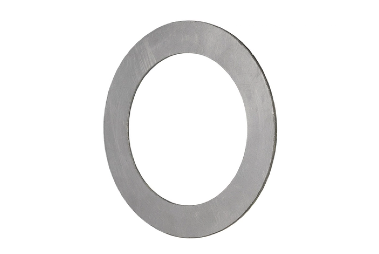
Gaskets in food processing systems prevent contamination and ensure safe handling of consumables:
· Steam and hot water systems: Gaskets seal high-temperature pipelines and vessels.
· Pressure vessels and tanks: Prevent leakage in critical processing and storage equipment.
· Potable water and sanitary piping: Ensure hygienic, leak-proof connections.
Materials must comply with food safety standards:
· Silicone: High-temperature durability and food-safe properties.
· EPDM: Excellent chemical and heat resistance.
· PTFE: Non-reactive and highly durable.
· Graphite and non-asbestos composites: Heat-resistant and structurally stable.
· Food-grade certification (FDA/NSF): Ensures materials do not contaminate food products.
· Taste and odor neutrality: Gaskets must not affect product quality.
· Bacterial resistance and hygiene compliance: Must withstand repeated cleaning and sterilization.
· High-temperature durability: Maintain seal integrity in steam or heated processing environments.
Gaskets in water systems maintain leak-proof connections:
· Water pipelines: Prevent leaks in municipal and industrial distribution systems.
· Valves and pumps: Seal moving components to ensure operational reliability.
· Potable water seals: Meet regulatory standards for drinking water safety.
· EPDM: Resistant to chemicals and aging, widely used for potable water.
· Neoprene: Durable and flexible for long-term use.
· Non-asbestos composites and graphite: Provide chemical and temperature resistance.
· Regulatory approvals: Must comply with local and international drinking water standards.
· UV and chemical resistance: Protects against environmental degradation.
· Long-term durability: Ensure reliable operation over decades of service.
Electrical gaskets protect equipment and maintain insulation:
· Enclosures and cabinets: Prevent dust, moisture, and water ingress.
· Weatherproof seals: Maintain operational safety outdoors.
· EMI shielding and insulation gaskets: Reduce electromagnetic interference and protect sensitive electronics.
· Cork, neoprene, EPDM, nitrile foams, plastics for insulation and sealing.
· UV and weather resistance: Essential for outdoor equipment.
· Electrical insulation properties: Protect personnel and prevent shorts.
· Protection against dust and moisture: Maintains long-term equipment reliability.
Gaskets are essential in high-pressure and chemically aggressive environments:
· High-pressure pipelines and flanges
· Valves and chemical processing equipment
· Non-asbestos composites, spiral wound, mica, graphite, high-grade rubbers, PTFE
· Corrosion and chemical resistance: Protects against acids, alkalis, and solvents.
· High-temperature stability and pressure tolerance: Ensures safe operation in chemical plants.
Pharmaceutical gaskets maintain sterility and safety:
· Processing equipment
· Cleanroom piping and fittings
· Medical device seals
· Silicone rubber, PTFE, foamed PTFE, expanded PTFE
· Medical-grade compliance
· Low bacterial growth and chemical resistance
· Cleanroom compatibility
Gaskets provide sealing for fluid transfer systems:
· Air compressors and vacuum pumps
· Fluid transport pipelines
· Plastic shims, EPDM, neoprene, nitrile, PTFE, non-asbestos composites
· Corrosion resistance
· Low friction and compressibility
· Chemical compatibility
Rail gaskets protect critical infrastructure:
· Fuel tanks and internal enclosures
· Manway seals
· Silicone, EPDM, nitrile, non-asbestos composites
· Fire and vibration resistance
· Fuel and water sealing
· Compliance with passenger safety standards
Rail gaskets ensure safe, reliable operations in harsh environments where safety is paramount.
Industry | Typical Applications | Common Materials | Key Considerations |
Oil & Gas | Pipelines, valves, flanges | Spiral wound, Kammprofile, Graphite | High temp, high pressure, chemical resistance |
Automotive | Engines, fuel systems, seals | Silicone, Nitrile, FKM, EPDM | Vibration, heat, fuel/oil resistance |
Aerospace | Engines, hydraulic, cabin | High-performance rubbers, PTFE | Certification, extreme temp, pressure |
Food Processing | Steam systems, pressure vessels | Silicone, EPDM, PTFE | Food-grade, taint-free, bacterial resistance |
Drinking Water | Pipelines, valves, potable water | EPDM, Neoprene, Graphite | Regulatory approval, UV resistance |
Electrical | Enclosures, insulation, EMI shielding | Cork, Neoprene, EPDM | Weatherproofing, insulation, dust/moisture protection |
Petrochemical | Pipelines, valves, processing | Non-asbestos composites, Graphite, PTFE | Chemical/corrosion resistance, high temp |
Pharmaceutical | Cleanroom piping, medical devices | Silicone, PTFE, Expanded PTFE | Medical-grade, cleanroom compliance |
Pumping | Compressors, fluid transport | EPDM, Nitrile, PTFE | Low friction, corrosion resistance |
Rail | Fuel tanks, enclosures | Silicone, EPDM, Nitrile | Fire and vibration resistance, safety compliance |
Q1: How do I choose the right gasket material for my application?
Consider operating temperature, pressure, chemical exposure, and industry regulations.
Q2: Can one material work across multiple industries?
Some materials like PTFE and EPDM are versatile, but specific certifications may be required.
Q3: How do temperature, pressure, and chemicals influence material choice?
Materials must withstand operational stress; wrong choices lead to leaks or failures.
Q4: Are there eco-friendly or recyclable gasket materials available?
Yes, options like non-asbestos composites and certain silicone/PTFE products are environmentally friendly.
Q5: How often should gaskets be inspected or replaced in industrial settings?
Regular inspection every 6–12 months is recommended; replace if leaks, wear, or deformation occur.
Selecting the right gasket material is crucial for ensuring safety, reliability, and compliance across a wide range of industries. Factors such as operating conditions, chemical exposure, temperature, and pressure must guide your choice to prevent leaks, equipment downtime, and maintenance issues. Following proper installation, monitoring, and maintenance practices further extends gasket life and improves operational efficiency. For businesses and engineers seeking expert advice, high-quality materials, or customized gasket solutions, DONHONSIL provides trusted industrial sealing products and professional guidance. Contact DONHONSIL today to explore the ideal gaskets for your specific applications and ensure long-term performance and safety.


