
Engineered to seal,
The last line of defense against leakage
+86-13566064802

Views: 0 Author: Site Editor Publish Time: 2026-04-16 Origin: Site
Gasket sealant plays a crucial role in mechanical assemblies, providing additional sealing between mating surfaces and preventing leaks of fluids, gases, or chemicals. While not all gaskets require sealant, understanding when and how to use it ensures long-lasting performance, easier maintenance, and protection against environmental and operational stresses. Using gasket sealant correctly can prevent leaks, reduce downtime, and improve the reliability of automotive, industrial, and household equipment.
Gasket sealant is a chemical compound applied to the surface of a gasket or flange to improve sealing performance. It fills surface irregularities, enhances chemical and temperature resistance, and can help prevent leaks in high-pressure or high-temperature environments. Proper use of gasket sealant ensures system reliability and can extend the life of both the gasket and the components it seals.
Solid gaskets, including rubber, cork, or composite types, are engineered to provide an effective seal on their own. These gaskets are made to compress evenly between mating surfaces, filling microscopic gaps and creating a reliable airtight or watertight seal without the need for additional chemicals. In most standard applications, using a sealant with these gaskets is unnecessary and can even be counterproductive. Excessive sealant can lead to distortion of the gasket, uneven compression, or extrusion from the sealing surfaces, which may compromise the integrity of the joint. Furthermore, when it comes time to replace or service the gasket, leftover sealant can make removal difficult, often requiring scraping or solvents that may damage the surrounding components. In short, if the gasket is properly sized, in good condition, and the mating surfaces are clean and smooth, sealant is typically not required.
Some gaskets come with integrated adhesive backing, which helps hold the gasket in place during assembly. In these cases, a light application of gasket sealant can enhance performance, especially in high-pressure, high-temperature, or high-vibration environments. A thin layer of compatible sealant can improve the gasket’s ability to conform to uneven surfaces, increasing leak resistance and durability. Adhesive-backed gaskets are commonly used in automotive engines, HVAC systems, and industrial machinery where precise alignment and reliable sealing are critical. Sealant also helps compensate for minor imperfections in flanges, providing an extra layer of protection against leaks in demanding applications.
While gasket sealants are valuable tools when used appropriately, unnecessary application can create problems. Excess sealant may squeeze out during assembly, leaving hardened residue that can clog fluid passages such as coolant or oil channels. It may also interfere with proper torque application, causing uneven clamping force across the gasket surface. Over time, this can lead to premature gasket failure, leaks, or damage to the mating components. In some cases, the sealant itself may react with the gasket material or engine fluids, causing degradation or swelling. Therefore, it is important to assess whether a sealant is truly needed, based on gasket type, operating conditions, and manufacturer recommendations. Using sealant only when necessary ensures optimal performance, easier maintenance, and longer component life.
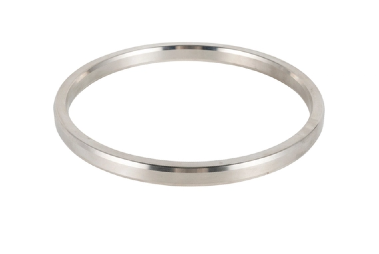
Gasket sealant becomes particularly useful when the mating surfaces of components are not perfectly flat. Over time, flanges can develop minor imperfections such as scratches, corrosion, or pitting. Even small inconsistencies can create gaps that allow fluids or gases to escape, compromising the seal. Applying a thin layer of appropriate sealant helps fill these imperfections, ensuring uniform contact between the gasket and the surfaces. This additional layer of protection increases the reliability of the seal, prevents leaks, and reduces the risk of component failure, especially in systems operating under high pressure or fluctuating temperatures.
Used or repaired components often exhibit surface wear, minor warping, or uneven edges that can affect gasket performance. Sealant can compensate for these irregularities by creating a consistent, flexible barrier between the gasket and mating surfaces. This is particularly important for older machinery, industrial equipment, or engines where replacing all components may not be feasible. By using sealant in these situations, operators can enhance the gasket’s ability to maintain a leak-free seal, extending the life of both the gasket and the component itself while reducing maintenance frequency.
Certain environments demand additional protection against chemical exposure, fuel leaks, or water ingress. Sealants are available in formulations that resist acids, bases, oils, and other aggressive fluids. By applying a compatible sealant, the gasket’s longevity and performance are significantly improved. The sealant acts as a barrier, preventing fluid seepage and chemical degradation that could otherwise weaken the gasket material over time. This feature is particularly critical in industrial, marine, and chemical processing applications, where continuous exposure to aggressive substances can quickly compromise unprotected seals.
Gasket sealants are widely used in automotive systems to enhance reliability and prevent leaks in high-pressure or high-temperature environments. Common applications include engines, transmissions, water pumps, exhaust manifolds, and fuel systems. In these systems, sealant helps maintain fluid containment despite thermal expansion, vibration, and mechanical stress. Proper application ensures engine efficiency, reduces the likelihood of oil or coolant leaks, and minimizes maintenance costs. Additionally, modern automotive sealants are formulated to withstand prolonged exposure to heat, fuel, and lubricants, providing long-lasting protection and consistent performance over the life of the vehicle.
Sealant Type | Key Properties | Best Applications |
RTV (Room Temperature Vulcanizing) | Cures at room temperature, forms flexible seal | Engines, pumps, gearboxes, water flanges |
Non-Setting Compounds | Remains pliable, easy to remove | Temporary seals, low-pressure joints |
Anaerobic Sealants | Cures in the absence of air, bonds metals | Threaded fasteners, rigid metal gaskets |
Liquid Gaskets | Used without a solid gasket | Custom applications, irregular surfaces |
RTV sealants cure when exposed to air, forming a strong, flexible seal. They are ideal for high-temperature applications like engine components or exhaust manifolds.
Non-setting compounds remain pliable and are often used where gaskets need to be replaced frequently. They are suitable for low-pressure applications or temporary seals.
Anaerobic sealants cure when confined between two metal surfaces without air. They are excellent for threaded assemblies and rigid flanges, ensuring leak-free performance in high-stress environments.
Liquid gaskets are applied directly to clean surfaces and can replace traditional gaskets in some applications. They are ideal for irregular surfaces or where pre-cut gaskets are unavailable.
Proper surface preparation is critical for achieving an effective seal. Always start by thoroughly cleaning the mating surfaces, removing any remnants of old gasket material, oil, grease, dirt, or debris. Residue left on the surface can prevent proper adhesion, cause uneven sealing, and lead to leaks. For stubborn deposits, use a suitable solvent or gasket scraper carefully to avoid damaging the metal surface. Ensure the surface is dry before applying the sealant, as moisture can interfere with bonding.
When applying gasket sealant, a thin, even layer is all that is required. Excessive sealant can squeeze out during assembly, creating a messy residue and potentially blocking coolant, oil, or fuel passages. Apply sealant only to one side of the gasket unless the manufacturer specifically recommends otherwise. Even coverage ensures the sealant fills minor surface imperfections without causing distortion or interference with the gasket’s compression.
Do not assume all gaskets require sealant; solid gaskets often work perfectly on their own. Avoid applying too much sealant, as this can result in hard-to-remove buildup, extrusion beyond the gasket edges, or uneven torque during assembly. Allow the sealant to cure according to the manufacturer’s instructions if required, ensuring maximum adhesion and leak prevention. Following these steps helps maintain system reliability, prolong gasket life, and minimizes the risk of leaks or mechanical issues.
Ensure the sealant is compatible with the material of the flange or component, such as aluminum, steel, or plastic, to prevent chemical reactions or corrosion.
Choose a sealant rated for the operating temperature and chemical exposure of your system. High-performance sealants withstand extreme heat, pressure, and aggressive fluids.
Consider environmental regulations, VOC content, and ease of maintenance when selecting a sealant. Some sealants are easier to remove during maintenance, reducing downtime.
1. Can I use gasket sealant on all types of gaskets?
Not all gaskets require sealant. Solid rubber or cork gaskets often seal effectively without additional compounds.
2. What happens if I use too much sealant?
Excessive sealant can squeeze out, clog channels, or create uneven sealing, leading to leaks or component damage.
3. Can sealant make gasket removal harder?
Yes, some sealants harden and bond strongly to surfaces, requiring careful removal to prevent damage.
4. Are RTV sealants better than traditional compounds?
RTV sealants are flexible and heat-resistant, suitable for many automotive and industrial applications, often outperforming older non-curing compounds.
5. Is liquid gasket always better than solid gaskets?
Not necessarily. Liquid gaskets are versatile but may not provide the mechanical strength or thickness of pre-cut solid gaskets in high-pressure applications.
For optimal gasket performance, use gasket sealant when mating surfaces are uneven, when chemical or water resistance is required, or on older components. Avoid applying sealant unnecessarily on solid, properly fitting gaskets, as this can cause leaks or complicate maintenance. Always clean surfaces thoroughly, apply a thin, even layer, and allow proper curing. Selecting sealants compatible with the materials, operating temperatures, and chemical exposure of your system ensures long-term reliability. Routine inspection and timely replacement of gaskets and sealant prevent leaks and extend equipment life. For expert guidance, product recommendations, and support on gasket sealants, visit DONHONSIL or contact their team to ensure you choose the right solution for your applications.


