
Engineered to seal,
The last line of defense against leakage
+86-13566064802

Views: 0 Author: Site Editor Publish Time: 2026-03-05 Origin: Site
How do you choose the right gasket for high-pressure systems? Spiral Wound Gaskets offer unmatched sealing performance in extreme conditions. In this article, we will explore the critical materials and design features that make them ideal for heat exchangers and water pumps. You'll learn how to select the right gasket for your needs, ensuring reliability and efficiency in your system.
A Spiral Wound Gasket is an innovative sealing solution designed to withstand some of the most challenging industrial conditions. Its unique construction involves spirally wound metallic strips combined with soft filler materials. These gaskets are engineered to seal under high pressure, extreme temperatures, and chemical exposure—conditions that standard gaskets often cannot handle.
The key difference lies in the edge sealing mechanism. While traditional gaskets rely on flat surface contact to create a seal, spiral wound gaskets make contact on the edges of the wound material. This design helps the gasket compensate for flange imperfections, misalignments, or gaps, ensuring an effective seal even in less-than-perfect environments.
Spiral wound gaskets are often the first choice in applications such as heat exchangers and water pumps, where consistent, reliable sealing is crucial for preventing leaks and ensuring system integrity.
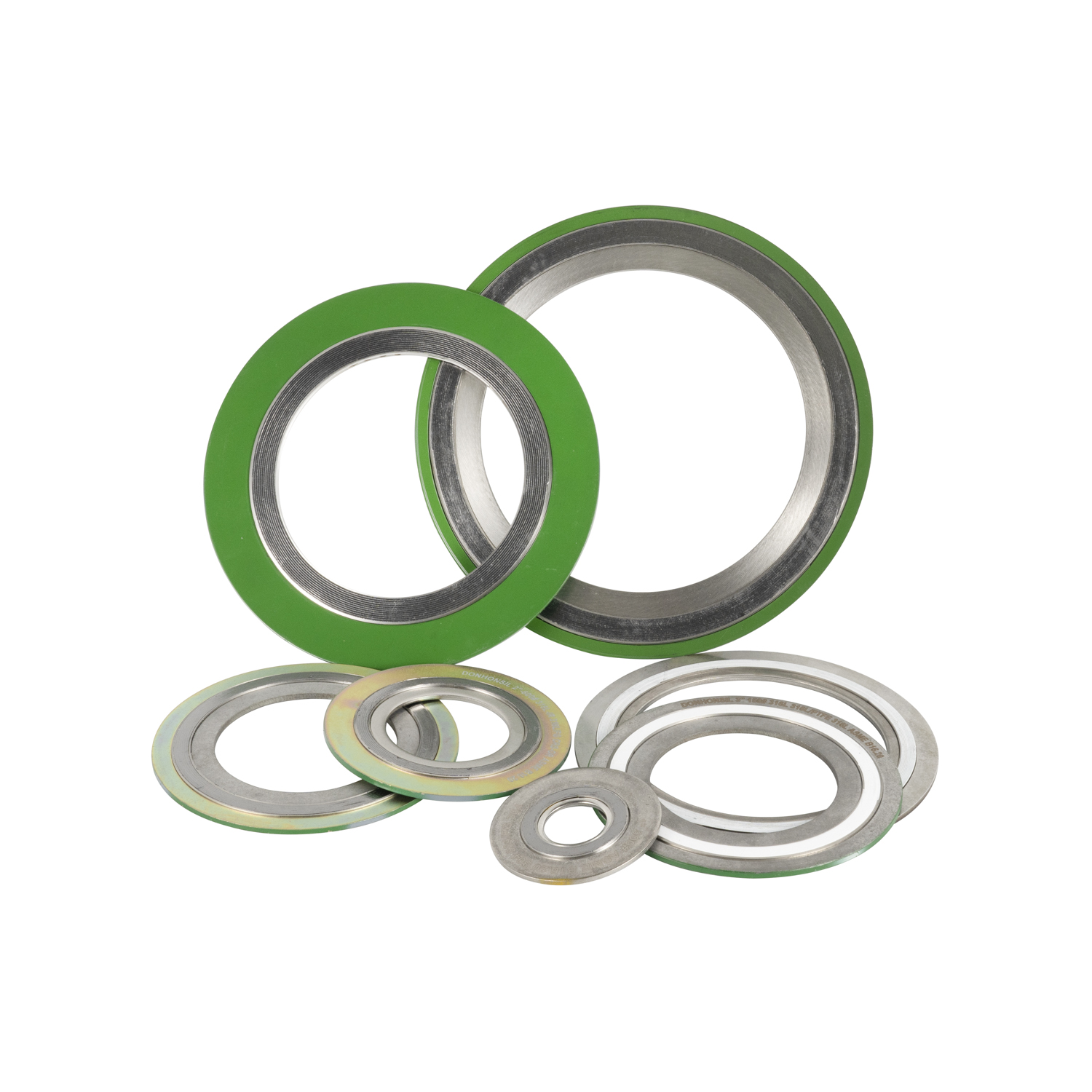
The effectiveness of a spiral wound gasket comes from the combination of metal winding and filler material. Let’s break these two key components down:
● Metal Winding: The metal strips used in these gaskets are typically made from materials like stainless steel (304, 316, 321, 347), Monel, Nickel, Titanium, and Hastelloy. These metals are chosen for their strength, flexibility, and corrosion resistance, providing the gasket with the necessary durability to withstand harsh operating conditions.
● Filler Material: The filler material is equally important. Common options include graphite, PTFE, mica, and ceramic fiber. Each filler material offers different benefits, such as high-temperature resistance (graphite), chemical resistance (PTFE), and flexibility (mica). The filler allows the gasket to better conform to the flange surface, accommodating misalignment and ensuring a tight seal.
Metal Winding Material | Filler Material | Typical Applications |
Stainless Steel 304, 316 | Graphite | High-temperature environments, Petrochemical plants |
Monel, Hastelloy | PTFE | Corrosive applications, Chemical processing |
Titanium, Nickel | Mica | Aerospace, High pressure systems |
Spiral wound gaskets stand out for their remarkable strength and adaptability in difficult conditions. Here are some of the standout advantages:
● Temperature and Pressure Tolerance: These gaskets can operate in extreme conditions, ranging from -250°C to 1100°C and withstanding high pressures. This makes them ideal for industries like power generation, petrochemicals, and heat exchangers.
● Vibration and Thermal Cycling Resistance: One of the key advantages is their ability to maintain a tight seal even when subjected to vibrations and thermal cycling. This ensures that the gasket performs reliably over time without degradation or failure.
● Customization: Spiral wound gaskets can be designed with inner and outer rings for enhanced stability and anti-buckling support. Additionally, color-coded rims and stripes are used to indicate the specific metal winding and filler materials, making them easier to identify and select.
● Robust and Flexible Design: The combination of metal strength and flexible filler materials ensures that these gaskets can handle flange misalignment and thermal expansion without compromising their sealing integrity.
When selecting the right material for a spiral wound gasket in heat exchanger applications, metal winding plays a vital role in ensuring the gasket performs under extreme conditions. Standard metals like 304/316 stainless steel are widely used for general sealing applications due to their good corrosion resistance and mechanical strength. However, for more demanding environments, such as those involving high temperatures or corrosive substances, specialty metals are required. Monel, Inconel, and Hastelloy offer superior resistance to corrosion and can withstand higher temperatures, making them ideal for harsh industrial conditions like those found in petrochemical and power generation sectors.
XS Seal, a leading manufacturer, provides customized metal combinations to meet specific application needs. Whether it's a need for extra corrosion resistance or enhanced heat tolerance, XS Seal’s expertise allows for tailored solutions that perfectly match the operational conditions of heat exchangers.
The filler material in a spiral wound gasket contributes significantly to its overall performance. Depending on the operating conditions of the heat exchanger, the right filler material can make all the difference in ensuring a reliable seal.
● Graphite is a popular choice for high-temperature applications. It offers excellent thermal resilience and flexibility, making it ideal for environments that experience fluctuating temperatures.
● PTFE is another common filler, particularly when chemical resistance is required. Its non-reactivity to many chemicals makes it suitable for applications in industries like chemical processing.
● Mica and ceramic fiber fillers provide high oxidation resistance and thermal protection in extreme environments, such as those involving high heat or rapid temperature changes.
Each filler material impacts the flexibility, compression, and sealing performance under flange distortion. The material choice also influences how well the gasket adapts to the flange surface irregularities often found in heat exchangers, ensuring that the seal remains intact under pressure.
Spiral wound gaskets come in various styles to accommodate different sealing requirements in heat exchanger applications. These variations are crucial for achieving a secure seal, particularly when dealing with high-pressure and high-temperature systems.
● Style W: The basic design with just the winding provides a reliable seal but may not offer the additional structural support found in other styles.
● Style WI: Includes an inner ring, which helps with centering and prevents the gasket from buckling under pressure.
● Style WP: Features winding with ribs, enhancing the gasket’s strength and stability, especially in more challenging sealing environments.
● Style WIP: A combination of an inner ring and ribs, offering the best of both worlds for extreme thermal cycling and flange misalignment.
When comparing to other gasket types, such as double-jacketed, solid flat metal, Kammprofile, and CMG-EX, spiral wound gaskets offer better recovery for thermal cycling. However, they may lack the structural stability of some other designs due to their spiral winding.
When it comes to sealing water pumps, the selection of the right Spiral Wound Gasket is critical for performance. These gaskets need to withstand extreme conditions that involve high pressure, variable temperature, and the type of fluid being pumped.
Water pumps often handle water, chemicals, or even corrosive liquids, so the sealing material must be compatible with the pump’s media. Additionally, water pumps often operate under vibration and experience joint movement due to fluctuations in pressure, so gaskets must be flexible enough to accommodate these dynamic conditions. This is where the unique edge sealing properties of spiral wound gaskets come into play, ensuring a tight seal regardless of flange imperfections or misalignment.
Here’s a quick breakdown of what the gasket needs to endure:
● Pressure: Must resist high internal pressure generated by the pump.
● Temperature: Must withstand varying temperatures based on water temperature or industrial applications.
● Fluid Type: Gaskets must be resistant to chemical or fluid corrosion.
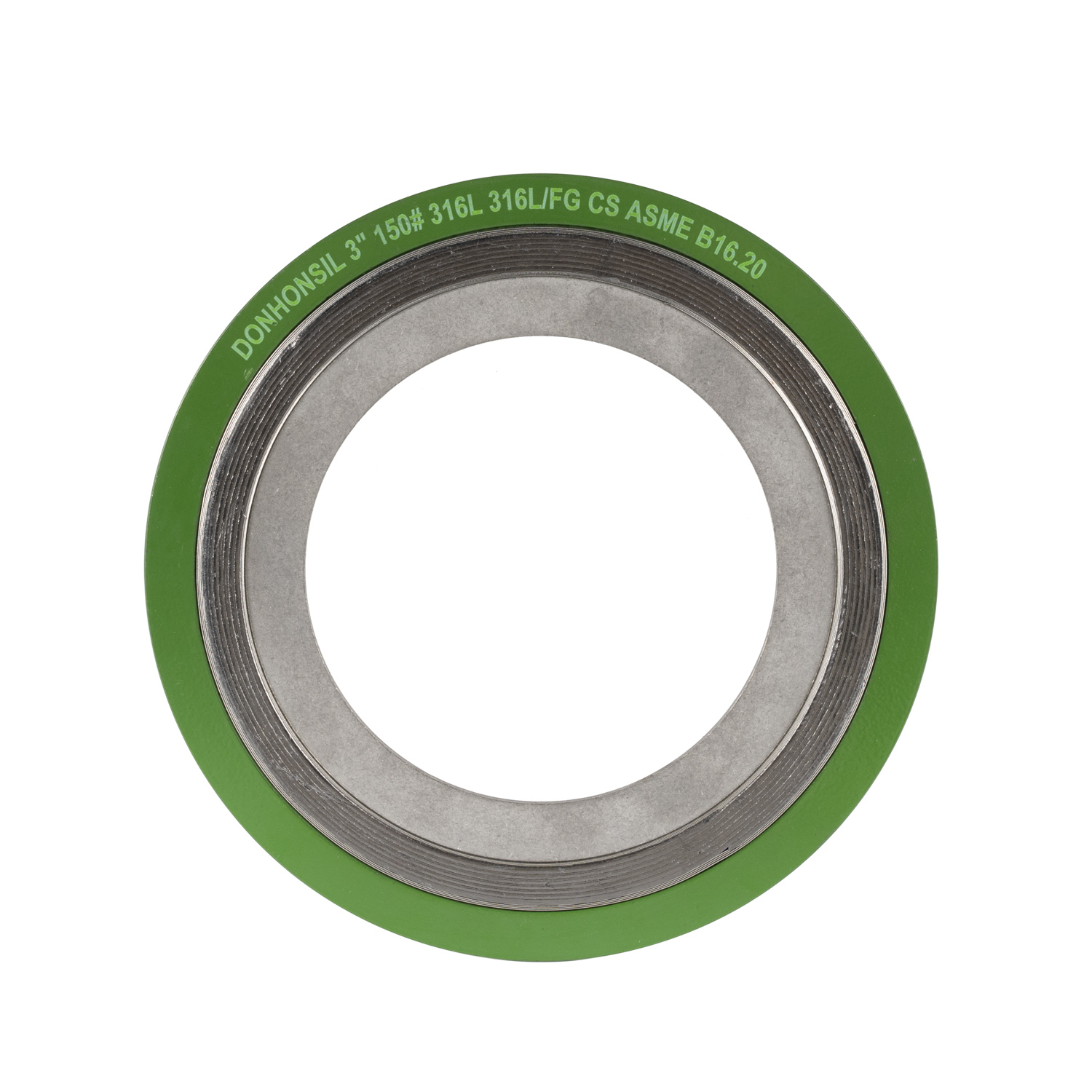
The metal winding and filler material in a spiral wound gasket are key components in ensuring reliability under harsh pump conditions. Let’s look at common metal and filler combinations used in water pump applications:
● Stainless Steel 304/316: These are common choices for general water and chemical service. Stainless steel offers great corrosion resistance and mechanical strength, making it suitable for most pump applications.
● Graphite: Often paired with stainless steel, graphite filler ensures the gasket maintains its sealing properties under high temperature and pressure conditions.
● PTFE: Used when chemical resistance is a priority, PTFE fillers are perfect for handling corrosive liquids often found in specialized pump applications.
In addition to these core materials, inner and outer rings can be added to provide extra flange stability and prevent the gasket from shifting during installation or operation.
Metal Winding | Filler Material | Typical Applications |
Stainless Steel | Graphite | General water and chemical pumps |
Monel, Hastelloy | PTFE | Chemical and aggressive liquid pumps |
Titanium | Mica | High-pressure and high-temperature water pumps |
XS Seal offers tailored solutions for water pumps, ensuring that the materials used are optimized for the specific operating conditions. Whether it’s for high-temperature or chemical environments, XS Seal’s customized gaskets help ensure performance reliability.
Customization plays a key role in achieving the best sealing performance for water pumps. XS Seal offers a wide range of options to tailor the gasket to meet the specific requirements of each pump.
● Thickness Selection and Diameter Customization: XS Seal offers flexible thickness and diameter options to ensure the gasket provides the right amount of compression. This customization is essential to achieving a reliable seal under varying pressure conditions.
● Color-Coded Rings: A practical feature for material identification, color-coded rings indicate the type of metal winding and filler material used. This helps ensure that the correct gasket is selected for the application.
● Installation Guidance: Proper installation is crucial to prevent leaks and ensure the gasket performs optimally over time. XS Seal provides detailed installation guidelines, helping to ensure that each gasket is properly installed and tightened.
OEM and Technical Support: XS Seal also provides comprehensive OEM and technical support services. Their team of experts works closely with customers to ensure that each gasket is optimized for its specific water pump application, ensuring long-term reliability and cost-effectiveness. This level of support guarantees that XS Seal gaskets continue to perform as expected, even in the most demanding conditions.
When selecting a Spiral Wound Gasket, ensuring it meets the appropriate international standards is essential to achieving reliable sealing performance. Gaskets must be compatible with industry-specific requirements to handle high-pressure, high-temperature, and corrosive conditions effectively. Here are some key standards to consider:
● ASME B16.20 – Specifies gasket design, material, and testing for flanged connections in industrial applications.
● ASME B16.5 – Covers pipe flanges, materials, dimensions, and pressure ratings, ensuring gasket compatibility.
● ASME B16.47 – Provides guidelines for larger flanges, typically used in high-pressure and heavy-duty applications.
● BS1560, DIN, JIS, and NF – These standards cover various international flange designs, ensuring spiral wound gaskets will properly seal across global markets.
Ensuring proper flange compatibility is crucial when selecting a spiral wound gasket. The flange’s design and surface finish directly affect the gasket’s ability to create a reliable seal. A gasket that does not match the flange specifications might lead to leaks, premature wear, or failures.
Proper installation of spiral wound gaskets is crucial for their performance and longevity. The following guidelines help ensure the gasket functions optimally:
● Bolt Torque and Load Distribution: Correct bolt torque ensures that the gasket is compressed evenly across its surface. Improper torque can cause excessive compression or uneven loading, leading to leaks or gasket deformation.
● Surface Finish: The flange surface finish should meet the required standards. A rough surface can damage the gasket, while a smooth finish allows better sealing.
● Ring Placement: If your gasket includes inner and outer rings, ensure they are placed correctly. These rings help center the gasket and provide additional support to prevent buckling under pressure.
XS Seal provides installation recommendations with each of their gaskets to help users maintain proper torque and alignment during installation. Their team also offers technical consultation to ensure that each gasket is installed according to the best practices for the specific application.
Once installed, spiral wound gaskets require periodic inspection and maintenance to ensure they continue to perform well throughout their lifespan.
● Inspection Intervals: Regular inspections are crucial for identifying early signs of wear and tear, especially in high-stress environments like water pumps and heat exchangers. The frequency of inspections depends on the operating conditions, but typically, annual checks or after significant operational changes are recommended.
● Vibration, Thermal Cycling, and Fluid Chemistry: These factors can significantly affect gasket performance over time. Vibration can cause the gasket to lose its sealing ability, while thermal cycling and fluid chemistry can degrade the gasket materials. For example, high temperatures can cause fillers like graphite to lose flexibility, and chemical exposure can degrade PTFE.
● When to Replace or Reuse: Gaskets should be replaced if they show signs of physical damage, leakage, or material degradation. However, reusable gaskets can often be cleaned and reinstalled if they still meet the required sealing performance.
Spiral Wound Gaskets are essential for maintaining reliable seals in heat exchangers and water pumps. The choice of metal winding and filler material significantly impacts performance under extreme conditions. DONHONSIL offers customized Spiral Wound Gaskets, tailored to meet specific industrial needs, ensuring durability, flexibility, and enhanced sealing reliability in high-temperature and high-pressure environments.
A: A Spiral Wound Gasket is a semi-metallic sealing solution made from alternating metallic strips and soft fillers, ideal for high-pressure and high-temperature environments.
A: Spiral Wound Gaskets offer reliable sealing under fluctuating pressures and temperatures, preventing leaks and maintaining system efficiency in heat exchangers.
A: The selection of metal winding and filler material influences a gasket's flexibility, temperature resistance, and durability, making it crucial for extreme conditions.
A: Spiral Wound Gaskets can be customized with various metal types, fillers, thicknesses, and inner/outer rings to meet specific heat exchanger and water pump requirements.
A: Regular inspections for wear, proper installation, and checking for gasket degradation due to thermal cycling or chemical exposure ensure long-term sealing performance.


