
Engineered to seal,
The last line of defense against leakage
+86-13566064802

Views: 0 Author: Site Editor Publish Time: 2026-01-05 Origin: Site
In high-pressure and high-temperature environments, sealing materials are critical to ensure the integrity and safety of industrial systems. Among the various sealing options, Ring Joint Gaskets (RTJ) stand out for their reliable, leak-proof performance under extreme conditions. These gaskets are specifically designed to create strong metal-to-metal seals, which are essential in industries where failure is not an option.
This blog will explore the design, types, material considerations, standards, and industrial uses of Ring Joint Gaskets to help you understand why they are the go-to choice for critical sealing applications.
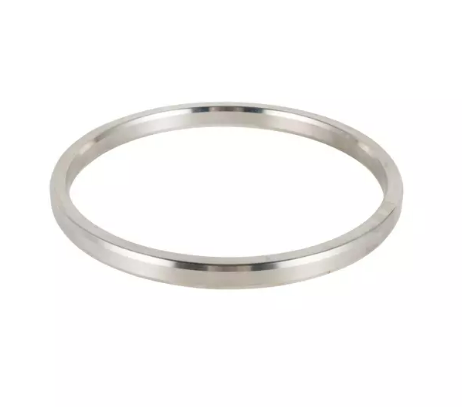
A Ring Joint Gasket (RTJ) is a metal gasket designed to provide a reliable seal between flanges in high-pressure and high-temperature applications. These gaskets are typically used in industries where sealing performance is critical, including oil and gas, petrochemical, and power generation sectors. RTJ gaskets work by compressing into a specially designed groove on the flange, forming a metal-to-metal seal that is resistant to pressure, temperature fluctuations, and corrosion.
RTJ gaskets function through a simple yet effective principle. When the flanges are bolted together, the gasket is compressed into a groove, creating a strong metal-to-metal seal. This design ensures that the gasket deforms under compression, filling the groove and preventing any leakage from the system. The ability to withstand high pressure and temperature makes RTJ gaskets ideal for challenging industrial environments.
RTJ gaskets are often compared to softer gasket materials, such as rubber or PTFE. Unlike these materials, which rely on compression to form a seal, RTJ gaskets create a more robust and durable seal by using the inherent hardness and deformability of metal. This makes them the preferred choice in industries where traditional gaskets would fail due to extreme conditions.
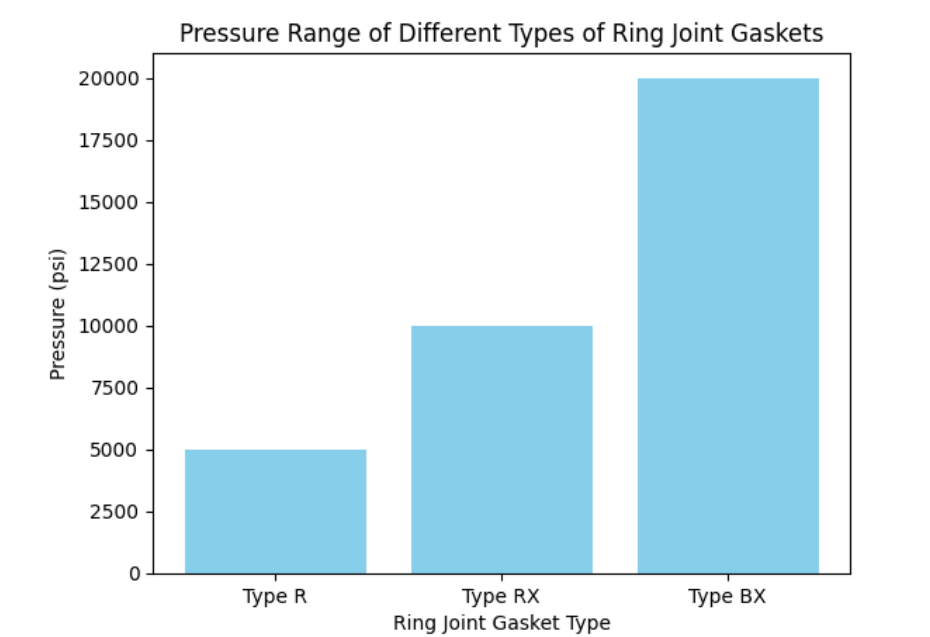
● Type R: Available in oval and octagonal profiles, the Type R gasket is suitable for pressures up to 5,000 psi. It is commonly used in oil and gas pipelines, refineries, and other applications requiring reliable sealing in moderate pressure systems.
● Type RX: The Type RX gasket is pressure-energized, designed to handle pressures up to 10,000 psi. It is ideal for applications with dynamic loads, thermal cycling, and higher pressures than Type R gaskets.
● Type BX: The Type BX gasket is designed for extremely high-pressure systems, capable of withstanding pressures up to 20,000 psi. It is commonly used in subsea operations, wellheads, and other critical applications in the oil and gas industry.
Type | Profile | Pressure Rating | Typical Use |
Type R | Oval/Octagonal | Up to 5,000 psi | Standard piping and valve systems |
Type RX | Octagonal | Up to 10,000 psi | Dynamic load systems, thermal cycling |
Type BX | Square | Up to 20,000 psi | Ultra-high pressure systems (subsea, wellheads) |
Material choice is crucial when selecting an RTJ gasket, as the gasket must withstand extreme temperatures, pressures, and aggressive chemicals. Common materials used include:
● Stainless Steel: Known for its corrosion resistance, stainless steel is a common material for RTJ gaskets, offering durability and longevity in challenging environments.
● Soft Iron: Ideal for low-pressure applications, soft iron offers malleability and excellent sealing properties.
● High-Strength Alloys: Alloys such as Inconel, Monel, and Hastelloy are used in highly corrosive or high-temperature environments, providing superior performance.
The ability to resist corrosion is one of the primary reasons RTJ gaskets are favored in industries dealing with aggressive chemicals or offshore applications. Stainless steel and other corrosion-resistant materials ensure that RTJ gaskets maintain their sealing properties over long periods, reducing the risk of leaks and system failures.
Material Type | Key Features | Common Applications |
Stainless Steel (304/316) | Excellent corrosion resistance | General-purpose industrial use |
Soft Iron | Malleable, cost-effective | Moderate pressure systems |
Inconel/Monel/Hastelloy | High-temperature and corrosion resistance | Chemical processing, sour service |
Duplex/Super Duplex Steel | High strength, excellent corrosion resistance | Offshore, chloride-rich environments |
To ensure proper sealing and reliable performance, RTJ gaskets must adhere to established industry standards such as ASME B16.20 and API 6A. These standards specify the design, dimensions, material requirements, and testing procedures for Ring Joint Gaskets. Compliance with these standards ensures that RTJ gaskets can perform consistently in high-pressure and high-temperature applications, reducing the risk of failure and maintaining system integrity.
For Ring Joint Gaskets to perform effectively, the flange grooves must be designed to match the gasket's profile. Whether it's oval or octagonal, the groove design plays a critical role in ensuring the gasket is seated properly, creating a reliable seal. Ensuring compatibility between the gasket and flange groove is key to preventing leaks and maintaining sealing efficiency.
In the oil and gas industry, Ring Joint Gaskets are essential for sealing critical connections such as wellheads, blowout preventers, and pipelines. These gaskets are designed to withstand the high pressures and temperatures encountered in both onshore and offshore operations. The BX-type RTJ gasket, in particular, is ideal for subsea applications, where extreme conditions demand robust sealing solutions.
Ring Joint Gaskets are used in chemical and petrochemical industries to seal flanges in reactors, heat exchangers, and pressure vessels. These gaskets are made from materials resistant to aggressive chemicals, ensuring reliable sealing in corrosive environments. Their ability to withstand high temperatures and pressures makes them invaluable in processes that require tight seals to prevent leaks.
In power generation facilities, Ring Joint Gaskets are employed in turbines, boilers, and heat exchangers. The high temperature and pressure conditions in these systems demand gaskets that can provide long-lasting, leak-proof seals. RTJ gaskets made from high-performance materials, such as Inconel and Monel, ensure the safety and efficiency of power plants.
Ring Joint Gaskets are also critical in the aerospace and marine industries, where sealing integrity is paramount. Whether used in jet engines or marine equipment, these gaskets ensure that joints remain sealed under high-pressure, high-temperature conditions, preventing potential system failures in demanding environments.
To ensure that Ring Joint Gaskets perform optimally, proper installation is crucial. Key best practices include:
● Surface preparation: Flange faces should be clean and free of debris to ensure proper gasket alignment.
● Proper alignment: The gasket must be correctly positioned in the flange groove to avoid misalignment and prevent leaks.
● Torque application: Applying the correct bolt torque in a cross-pattern ensures even compression of the gasket.
While Ring Joint Gaskets are reliable, improper installation can lead to gasket failure. Common mistakes include:
● Using the wrong gasket type for the flange design.
● Improper material selection, which can lead to gasket degradation in certain environments.
● Incorrect torqueing, which can cause gasket extrusion or flange damage.
Ring Joint Gaskets are specifically engineered to thrive in high-pressure, high-temperature environments. Their robust design and metal-to-metal sealing mechanism ensure that they provide an exceptionally reliable, leak-proof seal. Unlike softer gaskets, which may deform or fail under extreme conditions, Ring Joint Gaskets maintain their integrity and sealing capacity, even under significant stress, making them essential in critical applications like oil and gas pipelines, petrochemical systems, and power generation facilities.
The durability of Ring Joint Gaskets is one of their key advantages. Made from high-performance materials, these gaskets are designed to endure harsh conditions without frequent replacements. Their ability to withstand intense pressure and temperature fluctuations results in lower maintenance costs and reduced downtime for industrial systems. Over time, the investment in Ring Joint Gaskets pays off by extending the service life of sealing components and minimizing the need for costly repairs.
Ring Joint Gaskets are manufactured in compliance with rigorous global standards such as ASME B16.20 and API 6A, ensuring they meet the safety, performance, and quality requirements demanded by industries. By adhering to these standards, Ring Joint Gaskets not only guarantee reliability and consistency but also help industries maintain compliance with safety regulations and operational efficiency. This makes them a trusted choice for applications where failure is not an option.
Advantage | Description | Benefit |
Leak-Proof Sealing | Forms a metal-to-metal seal under compression | Prevents leakage in extreme conditions |
Durability | Long lifespan and minimal wear in high-pressure systems | Reduces maintenance and downtime |
Cost-Effectiveness | Lower replacement and operational costs | Provides value over the long term |
In high-pressure, high-temperature environments, Ring Joint Gaskets (RTJ) are indispensable for ensuring leak-free, reliable seals. Whether in oil and gas, petrochemical, power generation, or aerospace industries, RTJ gaskets provide robust sealing solutions that meet demanding standards. By understanding the different types, material considerations, and installation practices, industries can ensure optimal gasket performance and reduce the risk of costly leaks or failures.
Ningbo Dongheng Sealing Co., Ltd offers high-quality RTJ gaskets designed for extreme conditions, ensuring superior sealing and long-lasting performance across various industries.
A: A Ring Joint Gasket (RTJ) is a metallic gasket used in high-pressure and high-temperature applications to create a leak-proof seal between flanges. It forms a metal-to-metal seal under compression, ensuring reliable performance in critical environments.
A: A Ring Joint Gasket works by fitting into a machined groove on the flange, where it deforms under pressure to form a strong metal-to-metal seal. This prevents leakage and maintains the integrity of the system even under extreme conditions.
A: The main types of Ring Joint Gaskets are Type R (oval or octagonal), Type RX (pressure-energized), and Type BX (for ultra-high pressures). Each type is designed for specific pressure and temperature requirements in industrial applications.
A: Ring Joint Gaskets provide essential leak-proof sealing for high-pressure, high-temperature systems. Their robust design ensures long-lasting, reliable performance, which is critical in industries like oil and gas, petrochemical, and power generation.
A: To select the right Ring Joint Gasket, consider the application’s pressure, temperature, and chemical exposure. Ensure the gasket material and type match the operating conditions and flange design for optimal sealing performance.


