No.67,Xinhua Road, Xiaolin Town,
Cixi City,Zhejiang,China 315300
Call Us
+86-13566064802

Views: 0 Author: Site Editor Publish Time: 2026-06-08 Origin: Site
Sealing failures cause costly downtime and safety risks in high-pressure settings. Can one gasket solve these challenges? Kammprofile gaskets offer reliable sealing where others fail. In this post, you’ll learn how Kammprofile gaskets work, their benefits, and why they excel in demanding industrial applications.
Table of Contents
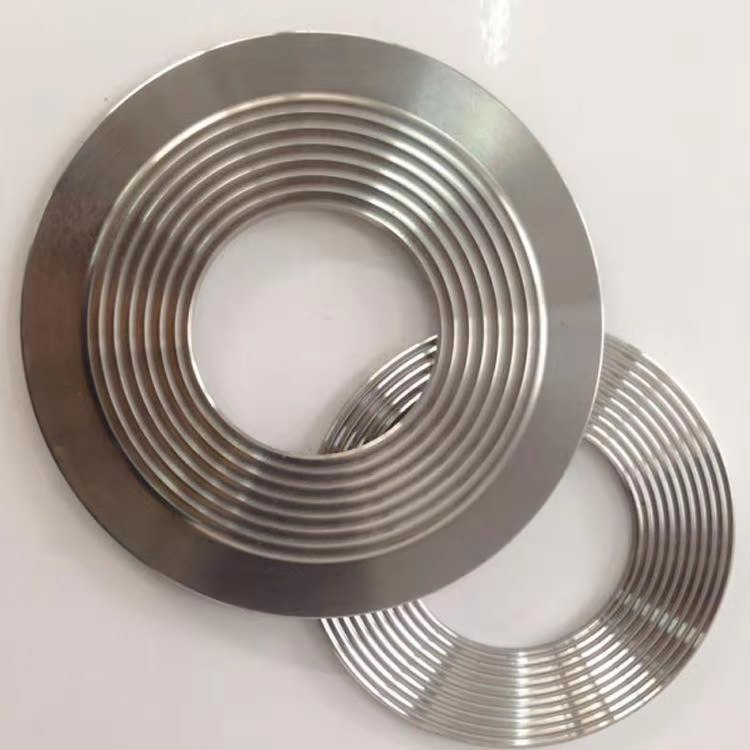
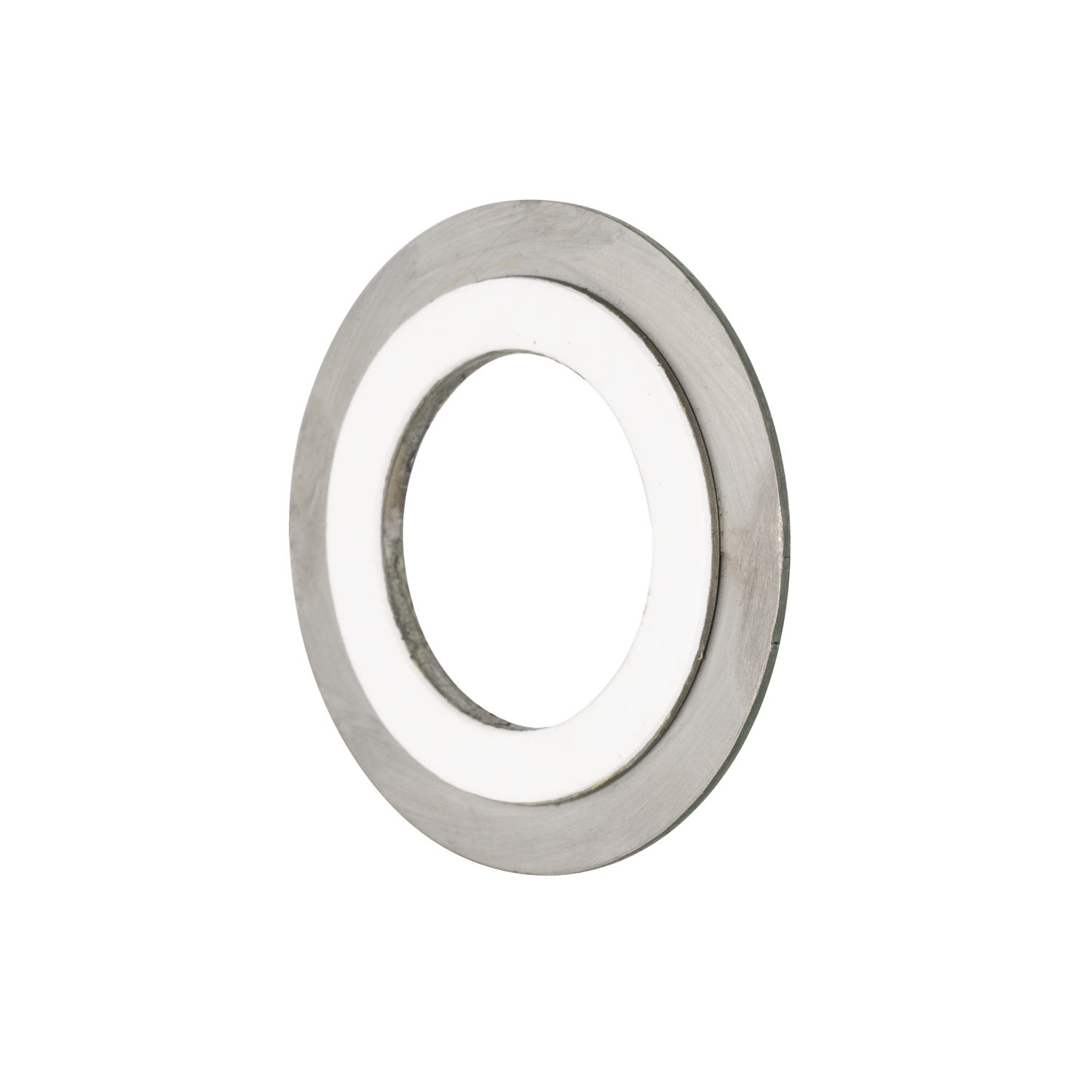
Kammprofile gaskets are specialized sealing components designed for tough industrial environments. They consist of a metal core that has serrated grooves, providing a solid base. On both sides of this core, soft facing layers are applied. This design creates a strong yet flexible seal, capable of handling high pressures and temperatures. The metal core offers strength and shape, while the soft layers fill in any surface imperfections on the flange faces, ensuring a tight seal.
The core usually consists of stainless steel or other high-strength alloys. These metals resist corrosion and maintain shape under extreme conditions. The soft facing layers vary based on the application. Common materials include graphite, PTFE (polytetrafluoroethylene), and other compressible substances. Graphite is excellent for high temperatures and chemical resistance. PTFE works well where chemical inertness and low friction are needed. This combination of materials balances durability and flexibility, making Kammprofile gaskets suitable for many industrial uses.
The serrated grooves on the metal core are a key feature. These grooves look like small ridges or teeth cut into the metal surface. When compressed between flanges, these grooves focus the sealing force onto a smaller area, increasing the gasket’s ability to seal tightly. This design helps the soft facing material to press firmly against the flange surfaces, compensating for any roughness or unevenness. The grooves also prevent the soft material from extruding under pressure, which can cause leaks.
Kammprofile gaskets use a double-sealing mechanism. First, the metal core provides a robust sealing base that resists deformation and blowout under pressure. Second, the soft facing layers create a secondary seal by conforming to flange surface irregularities. This combination ensures that even under fluctuating pressure or temperature, the gasket maintains a tight, leak-proof seal. The metal core handles the mechanical stresses, while the soft layers manage sealing imperfections and prevent leaks.
Tip: Always select facing materials compatible with your operating conditions to maximize Kammprofile gasket performance and lifespan.
Kammprofile gaskets excel at maintaining a tight seal even when pressure and temperature change rapidly. The serrated metal core focuses sealing force on the soft facing layers, which adapt to surface irregularities and prevent leaks. This dynamic response keeps the seal intact during pressure surges or thermal cycling, common in industrial processes. This efficiency reduces downtime and costly repairs caused by gasket failure.
The rigid metal core provides exceptional resistance against blowouts, a critical feature in high-pressure environments. Unlike soft gaskets that may deform or extrude under stress, Kammprofile gaskets maintain their shape and sealing ability. This structural integrity ensures safety and reliability, especially in hazardous applications such as oil and gas pipelines or chemical reactors where containment is vital.
Kammprofile gaskets resist creep and relaxation better than many other gasket types. They hold their sealing load over long periods, preventing leaks caused by gasket deformation. This stability means fewer maintenance interventions and less frequent re-torquing, saving time and operational costs. Their ability to retain load also enhances safety by maintaining consistent sealing pressure.
In certain conditions, Kammprofile gaskets can be reused after proper inspection and re-facing. This reusability lowers material waste and replacement costs, making them a more sustainable choice. Reducing gasket disposal also benefits the environment, aligning with industry trends toward greener operations. However, reuse should be limited to non-critical applications to ensure safety.
Kammprofile gaskets perform well in aggressive chemical environments and extreme temperatures. The selection of facing materials like graphite or PTFE allows customization to resist corrosion and thermal degradation. This versatility makes them suitable for diverse industries, from petrochemical plants to power generation. Their design accommodates thermal expansion differences between flanges, maintaining seal integrity despite harsh conditions.
Tip: Choose facing materials compatible with your operating environment to maximize sealing efficiency and gasket lifespan in high-pressure applications.
Kammprofile gaskets and spiral wound gaskets often compete in high-pressure sealing applications. Both use a metal core and soft facing layers, but their designs differ significantly. Kammprofile gaskets feature a serrated metal core, whereas spiral wound gaskets consist of a metal strip wound with filler material in a spiral pattern.
The serrated grooves on Kammprofile gaskets focus sealing force more precisely, which improves sealing efficiency, especially on rough or uneven flange surfaces. Spiral wound gaskets require smoother flange finishes to achieve optimal sealing. Kammprofile gaskets also tend to have better load retention and resistance to creep, maintaining tight seals longer under fluctuating pressures and temperatures.
Additionally, Kammprofile gaskets generally offer higher blowout resistance due to their rigid core design. Spiral wound gaskets may deform more easily under extreme conditions, risking leakage or failure. In summary, Kammprofile gaskets provide superior sealing performance and durability in demanding environments.
Ring gaskets and jacketed gaskets are simpler sealing solutions, primarily used for static or low-pressure applications. Ring gaskets are solid metal rings that seal by metal-to-metal contact, while jacketed gaskets have a soft filler inside a metal jacket.
Compared to these, Kammprofile gaskets offer enhanced sealing under dynamic conditions such as fluctuating pressure or thermal cycling. Their double-sealing mechanism ensures better adaptability to flange surface imperfections. Ring and jacketed gaskets often require very precise flange finishes and higher bolt loads to seal effectively, which may not be feasible in all setups.
Kammprofile gaskets also resist blowout and creep better than ring or jacketed types, making them more reliable for high-pressure and high-temperature applications. Their versatility suits a wider range of industrial environments.
Kammprofile gaskets are easier to handle and install than many other gasket types. Their robust metal core resists damage during handling, unlike delicate spiral wound gaskets that can deform or lose shape. This durability reduces the risk of installation errors and leaks caused by damaged gaskets.
Installation does not require perfectly smooth flange surfaces. The soft facing layers on Kammprofile gaskets conform to minor flange imperfections, reducing the need for costly flange machining or resurfacing. This compatibility saves time and expense during maintenance or assembly.
Moreover, Kammprofile gaskets require lower seating stress, meaning less bolt load is needed to achieve a tight seal. This makes installation simpler and safer, especially on equipment with bolt load limitations.
Fragile or thin-walled flanges pose a challenge for many gasket types because high bolt loads can cause flange deformation or damage. Kammprofile gaskets are well-suited for these cases due to their low seating stress requirement and ability to seal effectively without excessive bolt torque.
Their design distributes load evenly and seals reliably without needing high compression. This protects fragile flanges and extends equipment life. In contrast, ring and jacketed gaskets often require higher bolt loads, increasing the risk of flange damage.
Spiral wound gaskets can also be used on fragile flanges but may require more careful handling and precise flange finishes. Kammprofile gaskets offer a more forgiving and reliable sealing option for sensitive equipment or limited bolt load scenarios.
Tip: When sealing fragile flanges or equipment with limited bolt load capacity, choose Kammprofile gaskets for their low seating stress and superior sealing adaptability.
Kammprofile gaskets play a crucial role in oil and gas pipelines, especially offshore installations. These environments face extreme pressures, temperature swings, and corrosive seawater exposure. The gasket’s metal core resists deformation and blowout, while the soft facing layers ensure a tight seal even on rough flange surfaces. This reliability prevents leaks that could cause costly downtime or environmental damage. Their ability to handle fluctuating pressures makes them ideal for pipeline connections, valves, and pressure vessels in these critical settings.
In petrochemical plants, equipment often operates at very high temperatures and handles aggressive chemicals. Kammprofile gaskets withstand these harsh conditions thanks to their customizable facing materials like graphite or PTFE. The serrated metal core maintains structural integrity despite thermal cycling, preventing seal failure. These gaskets seal reactors, heat exchangers, and distillation columns, ensuring process safety and efficiency. Their resistance to creep and relaxation reduces maintenance needs and extends service life, which is vital for continuous plant operations.
Power generation facilities rely on Kammprofile gaskets to seal turbines, boilers, and steam lines. These components face high pressures and temperature fluctuations during startup, operation, and shutdown. The gasket’s double-sealing mechanism ensures no steam or gas escapes, which improves safety and efficiency. Their load retention properties minimize re-torquing frequency, reducing downtime. Additionally, they accommodate thermal expansion differences between flanges, preventing leaks caused by flange distortion.
Chemical processing plants use Kammprofile gaskets to handle aggressive media such as acids, solvents, and other corrosive fluids. The choice of facing material allows customization for chemical compatibility. The metal core resists corrosion and mechanical stresses, while the soft layers provide a reliable seal on uneven flange surfaces. This combination prevents leaks and protects personnel and the environment from hazardous exposure. Kammprofile gaskets are often found in reactors, pipelines, and storage tanks within these facilities.
In pharmaceutical and food industries, contamination prevention is critical. Kammprofile gaskets can be manufactured using FDA-approved materials like PTFE facings, ensuring hygienic sealing. Their design allows easy cleaning and sterilization without compromising the seal. They provide reliable sealing under pressure and temperature variations common in processing equipment. These gaskets help maintain product purity and comply with strict regulatory standards, making them a trusted choice for sanitary applications.
Tip: For critical industrial applications, always specify Kammprofile gaskets with facing materials tailored to your process conditions to maximize sealing reliability and equipment safety.
Selecting the right manufacturer for Kammprofile gaskets is crucial. The gasket’s performance depends not only on design but also on manufacturing quality, material expertise, and support services. Here are key factors to consider when choosing a supplier:
A trustworthy manufacturer should follow strict quality assurance processes. Look for certifications like ISO 9001, ASME, DIN, or BS standards. These certifications confirm consistent production quality and adherence to industry requirements. Quality assurance reduces risks of gasket failure, ensuring safety and long-term reliability.
Every industrial application has unique demands. The right manufacturer offers customization options such as:
Material choices for both metal core and facing layers
Groove depth and profile adjustments
Dimensions tailored to flange sizes and pressure ratings
Customization ensures the gasket fits perfectly and performs optimally under your specific pressure, temperature, and chemical conditions.
Material selection is critical. Manufacturers with deep knowledge of materials can recommend the best combinations for your application. For example, they can advise on the most suitable facing material—graphite, PTFE, or others—to resist corrosion or high temperatures. They also ensure the metal core alloy matches the environment to prevent corrosion or mechanical failure.
Experience matters. Choose a manufacturer known for supplying Kammprofile gaskets to demanding industries like oil & gas, petrochemicals, or power generation. A solid track record shows they understand real-world challenges and deliver reliable products. Customer testimonials, case studies, and industry references can help verify credibility.
Technical support is invaluable, especially for complex installations. A good manufacturer provides:
Guidance on selecting the right gasket type and materials
Installation best practices to avoid damage or leaks
Troubleshooting assistance during operation
This support helps maximize gasket lifespan and prevents costly downtime.
Tip: Always partner with a Kammprofile gasket manufacturer offering certified quality, customization, material expertise, and strong technical support to ensure optimal sealing performance in your high-pressure applications.
Proper installation is key to getting the most from Kammprofile gaskets. Before placing the gasket, ensure flange surfaces are clean and free from debris, rust, or old gasket material. Even though these gaskets tolerate minor flange imperfections, a clean surface helps achieve a better seal.
Align the gasket carefully between flanges to avoid damage or misplacement. Use a uniform bolt tightening pattern, typically a star or cross pattern, to apply even pressure. Tighten bolts gradually in increments, following the recommended torque values from the manufacturer. Avoid over-tightening, which can damage the gasket or flange.
Always use calibrated torque tools to ensure accuracy. If the gasket has facing layers on both sides, handle it gently to prevent tearing or detachment.
Kammprofile gaskets are sturdy but require careful handling. Avoid dropping or bending them, as this can deform the metal core or damage the soft facing. Store gaskets flat in a dry, clean area away from direct sunlight, moisture, or chemicals that could degrade the facing material.
Keep gaskets in their original packaging until installation to protect them from contamination or mechanical damage. If the gasket needs to be stored for extended periods, inspect it for corrosion or facing damage before use.
Regular inspections of flange joints help detect early signs of leakage or gasket wear. Check for unusual flange movement, bolt loosening, or visible leaks. If retightening is necessary, follow the manufacturer’s guidelines on torque values and frequency.
Avoid using incompatible cleaning agents or chemicals near the gasket, as they may degrade the facing material. In high-temperature or corrosive environments, periodic monitoring of gasket condition is critical.
Document maintenance activities and any gasket replacements to track performance trends and predict service life.
Re-facing involves removing the old soft facing layers and applying new ones, extending gasket life in non-critical applications. This process requires specialized equipment and expertise to maintain groove integrity and facing thickness.
Only attempt re-facing if the metal core remains intact and free from corrosion or deformation. Consult the gasket manufacturer or a qualified service provider for re-facing services.
Replace the gasket immediately if the metal core is damaged, corroded, or if the facing material shows significant wear, cracking, or contamination. Using a compromised gasket risks leaks, equipment damage, or safety hazards.
Tip: Always follow manufacturer torque specifications and handle Kammprofile gaskets carefully during installation to ensure maximum sealing performance and longevity.
Material science keeps pushing Kammprofile gaskets’ limits. New alloys for metal cores improve corrosion resistance and mechanical strength. These advanced metals better withstand harsh chemicals and extreme temperatures, extending gasket life. On the facing side, innovations include enhanced graphite composites and PTFE blends that resist wear and chemical attack longer. Special coatings on metal cores reduce oxidation and surface degradation, preserving sealing performance over time. These materials innovations reduce maintenance intervals and lower total operating costs.
Design refinements optimize the serrated groove profiles to boost seal tightness. New groove geometries focus sealing force more precisely, improving adaptability on rough or damaged flanges. Some designs include micro-textured surfaces on the metal core to enhance grip and reduce soft facing extrusion. Manufacturers also experiment with multi-layer facing materials, combining properties like chemical resistance and compressibility for superior sealing. These design tweaks enable Kammprofile gaskets to maintain integrity under even more extreme pressure and thermal cycling.
Sustainability drives innovation across industries, and gasket technology is no exception. Manufacturers develop eco-friendlier facing materials that reduce environmental impact during production and disposal. Efforts include recyclable facings and cores made from recycled metals without sacrificing performance. Longer-lasting gaskets mean fewer replacements and less waste. Some companies implement greener manufacturing processes, lowering energy consumption and emissions. These advances align Kammprofile gasket technology with growing regulatory and corporate sustainability goals.
Digital transformation reaches sealing technology through smart monitoring solutions. Embedding sensors in or near Kammprofile gaskets allows real-time tracking of parameters like temperature, pressure, and flange bolt load. These sensors detect early signs of gasket degradation or leaks, enabling predictive maintenance. Integrating data with plant control systems enhances safety and reduces unplanned downtime. Wireless communication and IoT platforms make monitoring seamless and scalable. This smart gasket technology represents the next step in proactive sealing management, boosting reliability and operational efficiency.
Tip: Explore gasket suppliers offering advanced materials and smart monitoring integration to future-proof your sealing solutions in high-pressure applications.
Kammprofile gaskets offer superior sealing performance, especially in high-pressure and fluctuating conditions. Their unique double-sealing design ensures safety and efficiency in demanding industrial environments. Partnering with trusted manufacturers guarantees quality, customization, and expert support. For optimal results, select Kammprofile gasket solutions tailored to your specific needs to enhance reliability and reduce downtime. Trust DONHONSIL Gasket Manufacturer for durable, high-quality gaskets that deliver exceptional value and long-lasting sealing performance.
A: Kammprofile gaskets have a serrated metal core with soft facing layers that create a strong, flexible seal, ideal for high-pressure and high-temperature applications.
A: Kammprofile gaskets offer superior sealing on rough flanges, better load retention, and higher blowout resistance compared to spiral wound gaskets.
A: The price varies based on materials, size, and customization, but their durability and reusability often reduce overall lifecycle costs.
A: Yes, after proper inspection and re-facing, Kammprofile gaskets can be reused in non-critical applications, offering environmental and cost benefits.
A: Ensure proper installation torque, clean flange surfaces, and select compatible facing materials to prevent leaks with Kammprofile gaskets.