
Engineered to seal,
The last line of defense against leakage
+86-13566064802

Views: 0 Author: Site Editor Publish Time: 2026-03-05 Origin: Site
Have leaks disrupted your heat exchanger systems? Spiral Wound Gaskets provide precise sealing under extreme conditions. In this article, you will learn how custom gaskets improve efficiency, durability, and system safety.
Spiral wound gaskets stand out from other gasket types due to their unique construction and design. These gaskets consist of alternating layers of metal windings and filler materials. The metal windings provide structural strength and elasticity, while the fillers, such as graphite or PTFE, offer excellent resistance to high temperatures and chemical environments.
The combination of metal and filler materials in spiral wound gaskets enables them to offer a reliable seal across a wide range of pressure and temperature conditions, making them ideal for use in industries like oil & gas, chemical processing, and power generation. The winding structure also contributes to their ability to conform to imperfections on flange surfaces, ensuring a tight seal even in challenging conditions.
Key Construction Features:
● Metal Windings: Provide strength and flexibility under load.
● Filler Materials: Graphite, PTFE, and other engineered fillers offer resistance to high temperatures and aggressive chemicals.
● Inner & Outer Rings: The inner ring helps prevent buckling of the gasket, while the outer ring ensures better alignment and ease of installation.
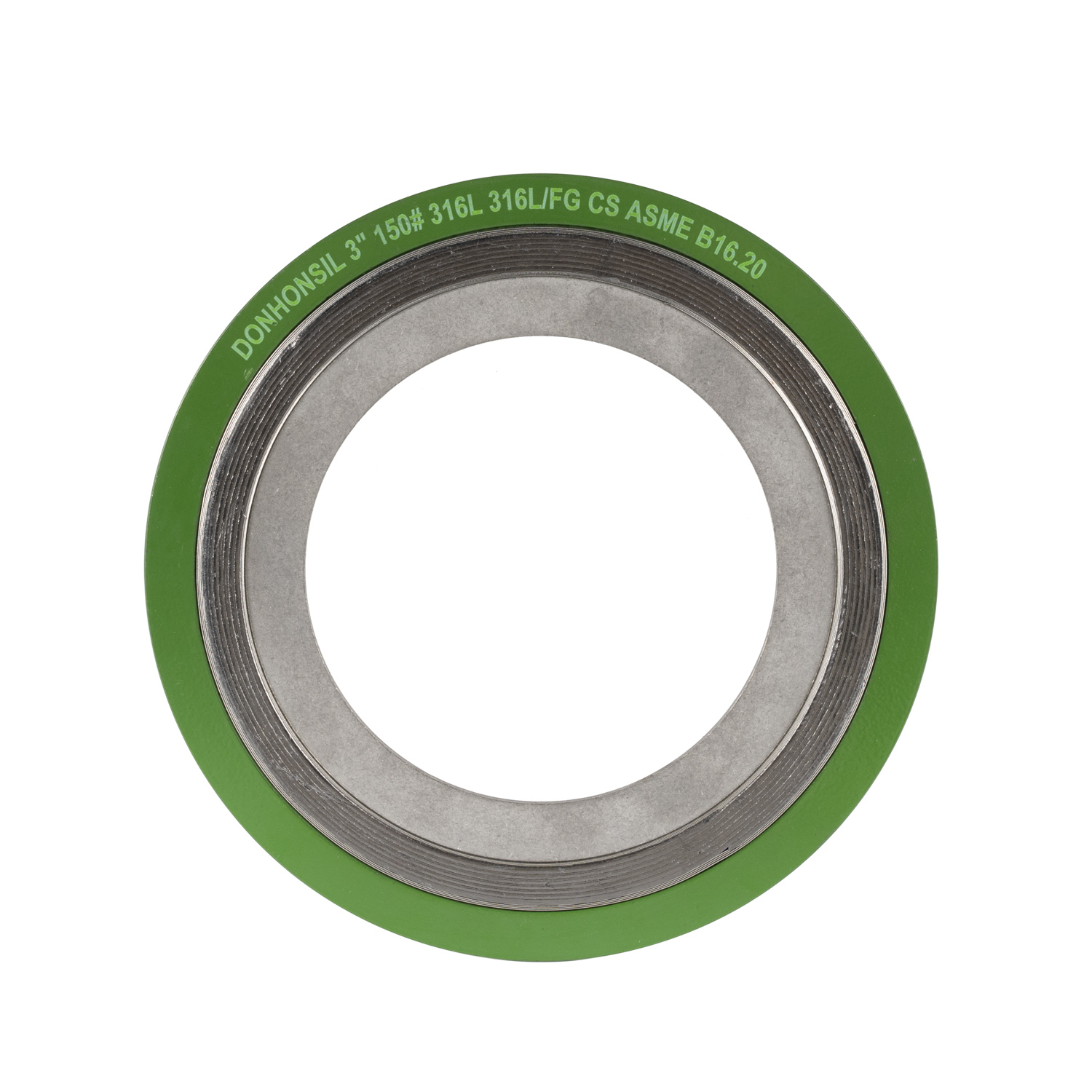
One of the primary advantages of spiral wound gaskets is their compressibility and recovery properties. These gaskets are designed to compress under pressure, creating a tight seal. When the pressure is relieved, the gasket recovers to its original form, maintaining the seal even when the flanges experience slight movements due to thermal expansion or pressure fluctuations.
Benefits of Spiral Wound Gasket Sealing:
● Compression & Recovery: Allows the gasket to maintain its sealing ability even under fluctuating pressure.
● Temperature Resistance: Handles extreme temperature variations without losing sealing integrity.
● Pressure Resistance: Withstands high-pressure environments, making them ideal for demanding applications like heat exchangers.
In industries where flanged connections are exposed to fluctuating pressures and thermal cycles, spiral wound gaskets can maintain performance over time, significantly reducing the risk of leaks and system failures. The adaptability to different media (chemicals, steam, gases) further strengthens their role in various industrial sectors.
Material Selection for Spiral Wound Gaskets
Material Type | Common Application Areas | Key Properties |
Stainless Steel | General industrial use | High strength, corrosion resistance |
Monel | Marine and oil & gas industries | Excellent resistance to corrosion and high-temperature stability |
Graphite Filler | Chemical plants, high-temperature service | Superior sealing for high-temperature environments |
PTFE Filler | Chemical processing, pharmaceuticals | High chemical resistance, non-reactive |
Heat exchangers play a critical role in industries such as petrochemicals, power generation, and chemical processing, where heat must be transferred efficiently between fluids. However, these systems are exposed to some of the most challenging sealing conditions. Heat exchanger plates are subject to intense pressure fluctuations, temperature variations, and sometimes aggressive chemicals.
The pressure and temperature changes in heat exchangers can cause materials to expand and contract. This repeated thermal cycling puts significant stress on the sealing materials, demanding high-performance gaskets. Moreover, chemical exposure—from corrosive substances or byproducts—can cause degradation in weaker gasket materials.
Why Preventing Leaks is Crucial:
● System Failure Prevention: Leaks in heat exchangers can lead to system downtime, environmental contamination, and safety hazards.
● Energy Efficiency: A reliable seal ensures the heat exchanger operates efficiently, preventing energy loss due to leakage.
● Cost Savings: By preventing leaks, you save costs on repairs, replacements, and potential fines due to non-compliance.
Selecting the right gasket material for heat exchangers is essential for ensuring that the gasket maintains its integrity under high-temperature and high-pressure conditions. Graphite and PTFE (Polytetrafluoroethylene) are common materials used in spiral wound gaskets, each offering unique benefits for heat exchanger applications.
● Graphite is widely used for its high-temperature resistance and flexibility. It is capable of handling extreme thermal cycles without compromising its sealing properties. Graphite-filled spiral wound gaskets are particularly useful for heat exchangers that operate under high heat and pressure, providing reliable sealing even in these conditions.
● PTFE, on the other hand, is ideal for environments where chemical resistance is crucial. PTFE-filled gaskets can withstand exposure to harsh chemicals and prevent degradation, making them an excellent choice for systems dealing with aggressive fluids or gases.
Key Benefits of Material Selection for Heat Exchangers:
Material | Advantages | Ideal Use Case |
Graphite | High temperature, flexibility, compressibility | High-temperature, steam, and chemical systems |
PTFE | Chemical resistance, non-reactive | Chemical processing and pharmaceuticals |
CNAF | Cost-effective, general service | Moderate temperature/pressure systems |
In high-demand industrial environments, achieving a complete, reliable seal is paramount. Custom spiral wound gaskets offer a significant advantage over off-the-shelf solutions by ensuring that each gasket is perfectly designed to meet the specific requirements of the system.
XS Seal specializes in crafting gaskets that provide exceptional sealing performance even under extreme conditions like high pressures and temperature fluctuations, commonly found in heat exchangers and flanged connections.
Custom gaskets are specifically tailored to address the complexities of different equipment, reducing the risk of leaks and ensuring long-term operational integrity.
The right gasket can make a huge difference in the performance of heat exchangers and associated systems. When spiral wound gaskets are custom-designed for specific applications, they significantly reduce downtime, which is often caused by gasket failure. A well-designed gasket will maintain sealing effectiveness over a longer period, reducing the need for frequent replacements and repairs.
Additionally, custom gaskets can be optimized for the chemical compatibility and temperature range of the media flowing through the system. This optimization leads to improved system performance, allowing heat exchangers to operate more efficiently, reduce energy losses, and extend the service life of the equipment.
Operational Benefits of Custom Gaskets:
● Minimized Downtime: Gaskets designed for specific environments last longer and require less maintenance.
● Improved System Performance: Custom solutions allow heat exchangers to run more efficiently, reducing energy consumption.
● Cost Savings: Fewer repairs and replacements lower long-term operational costs.
XS Seal specializes in designing custom spiral wound gaskets that are perfectly matched to your operational needs. Whether it’s for high-pressure flanged connections or challenging heat exchanger systems, XS Seal ensures that the gaskets fit precisely, addressing unique temperature, pressure, and chemical requirements. Their OEM and ODM capabilities allow for quick, accurate production of gaskets tailored to meet the specific demands of each project.
With more than 20 years of experience, XS Seal provides unparalleled expertise in custom gasket design and offers solutions that ensure reliability and long-lasting performance, tailored to the oil and gas, chemical, and power generation industries.
How XS Seal Custom Gaskets Stand Out:
Feature | Benefit |
OEM/ODM Capabilities | Fully customizable gaskets tailored for any application |
Technical Consultation | Expert advice to select the ideal materials and design |
Rapid Response Service | Fast production and delivery for urgent needs |
High-Quality Standards | Gaskets manufactured to meet ISO 9001 standards |
Choosing high-quality custom gaskets offers long-term benefits that go beyond just improved sealing. A spiral wound gasket designed to withstand high temperatures and pressures in heat exchangers will require less frequent maintenance and replacements. This not only improves overall efficiency but also extends the life of the equipment.
With XS Seal’s expertise, these gaskets are engineered to provide exceptional durability in even the most challenging environments, such as those found in refineries, chemical plants, and petrochemical facilities.
Selecting the right spiral wound gasket for your heat exchanger is essential for ensuring reliable performance under demanding conditions. There are several key factors to consider when choosing the appropriate gasket, as each plays a crucial role in maintaining system integrity.
Key Factors to Consider:
● Pressure and Temperature: Understanding the operating pressure and temperature is vital. High-pressure systems, especially those in heat exchangers, require gaskets that can withstand extreme conditions without losing their sealing capability. Temperature fluctuations, as seen in heat exchangers, also need gaskets that can expand and contract without failure.
● Flange Condition: The flange surface must be smooth and free of imperfections. If the flange faces are damaged or misaligned, it can affect the gasket’s performance. The gasket needs to adapt to surface irregularities, and custom gaskets ensure a perfect fit, regardless of flange conditions.
● Media Compatibility: Different gaskets use various filler materials, which must be chosen based on the media being sealed. For example, PTFE is ideal for chemical resistance, while graphite is better for high-temperature applications. Custom spiral wound gaskets can be tailored to provide a perfect seal in even the most chemically aggressive environments.
Custom Spiral Wound Gasket Selection:
Factor | Ideal Material/Filler | Recommended Applications |
High Pressure | Stainless steel, Inconel | Steam systems, petrochemical |
High Temperature | Graphite, Monel | Heat exchangers, reactors |
Chemical Exposure | PTFE, Graphite | Chemical processing, refineries |
Flange Imperfections | Inner & Outer Rings | Ensures better sealing for damaged flanges |
Choosing a custom gasket based on these factors ensures the right balance of durability, adaptability, and sealing effectiveness. XS Seal provides expert guidance to help you select the perfect gasket for your heat exchanger needs.
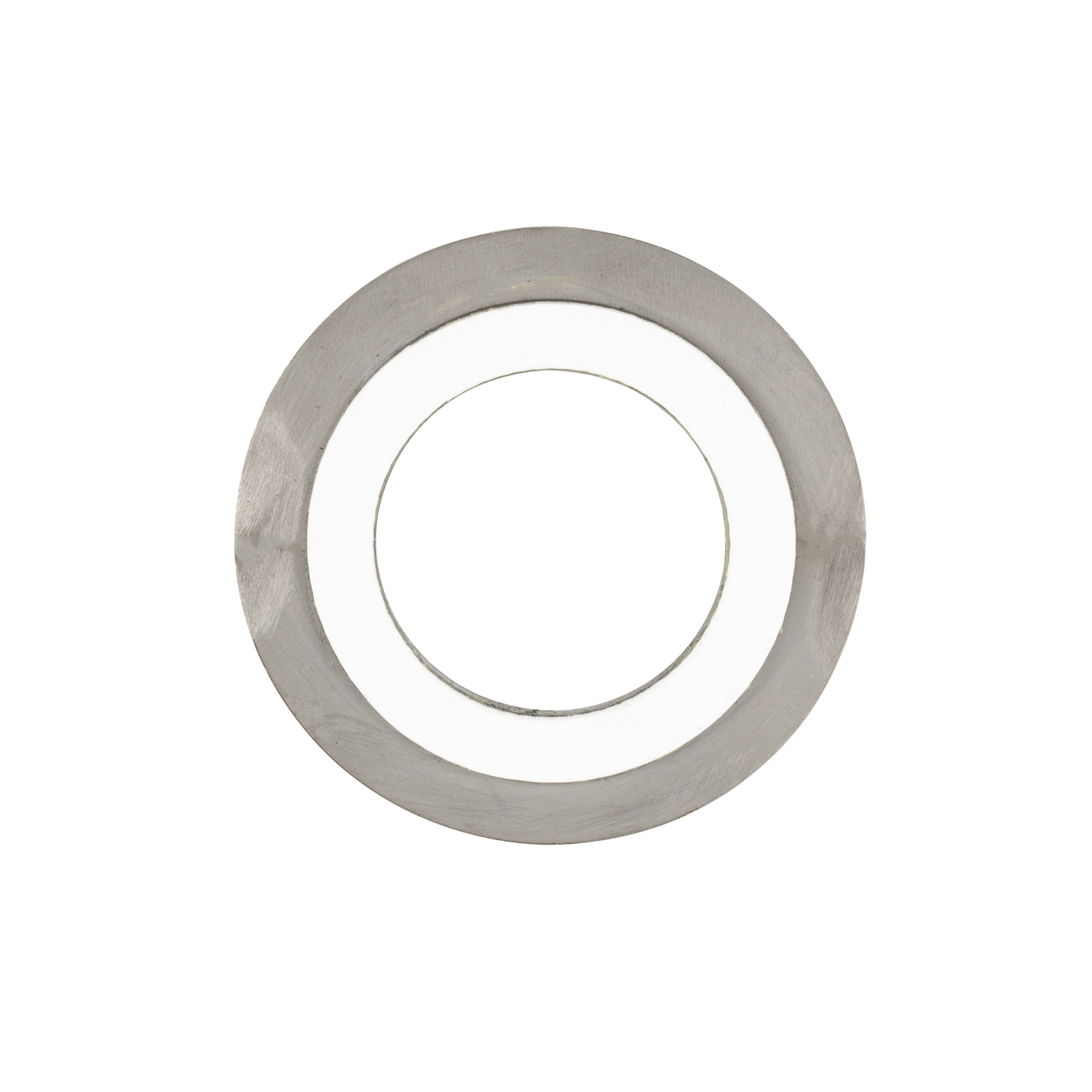
Proper installation of your custom spiral wound gasket is just as important as selecting the right material. An improperly installed gasket can lead to leaks, gasket deformation, and premature failure, which can result in system downtime and costly repairs. Here are the best practices for installing spiral wound gaskets in heat exchangers:
Steps for Proper Installation:
1. Flange Preparation:
Ensure that both flange faces are clean, smooth, and free of any debris or old gasket material. Any dirt, rust, or imperfections can compromise the gasket's ability to form a tight seal.
2. Check Gasket Alignment:
Position the gasket correctly on the flange. Ensure that it is centered properly and matches the flange’s size and shape.
3. Bolt Torque and Compression:
Use the correct torque specifications when tightening bolts to avoid over-tightening or under-tightening. Proper torque ensures uniform compression of the gasket, which is essential for effective sealing.
It’s crucial to tighten bolts in a star pattern to apply even pressure across the gasket surface. This helps prevent any distortion of the gasket and ensures a perfect seal.
4. Avoid Overcompression:
Over-tightening can cause the gasket to deform, leading to permanent damage and loss of sealing ability. Always follow the recommended bolt torque to avoid compression beyond the gasket's recovery limit.
Installation Tips:
Tip | Reason |
Clean Flange Faces | Ensures smooth and effective sealing |
Use Correct Torque | Avoids under-compression or deformation |
Check for Flange Alignment | Ensures perfect gasket fit and performance |
Custom spiral wound gaskets provide reliable sealing for heat exchanger plates and flanged connections, adapting to high pressures, temperature fluctuations, and chemical exposure. DONHONSIL delivers tailored solutions that improve operational efficiency, reduce maintenance, and ensure long-lasting performance for demanding industrial systems.
A: A Spiral Wound Gasket is a metal and filler sealing component used in flanged connections to prevent leaks under high temperature and pressure.
A: They seal plates and flanges, handling thermal cycles and chemical exposure to maintain efficiency and prevent leaks.
A: Custom gaskets fit specific flange sizes and operating conditions, providing better leak prevention and durability.
A: Graphite, PTFE, and stainless steel are common fillers and windings for high-temperature, high-pressure environments.
A: DONHONSIL offers tailored design, precise manufacturing, and technical guidance to ensure long-term sealing reliability.


