
Engineered to seal,
The last line of defense against leakage
+86-13566064802

Views: 0 Author: Site Editor Publish Time: 2026-03-05 Origin: Site
Is your heat exchanger at risk of leakage? The importance of choosing the right spiral wound gasket cannot be overstated. In this article, we will dive into the application requirements and material selection for these gaskets, ensuring long-lasting performance in plate heat exchangers. You'll learn how to select the best materials for sealing and how to maintain your gaskets for optimal efficiency.
A spiral wound gasket is made by alternately winding metallic strips and soft filler materials, creating a robust yet flexible sealing solution for various industrial applications, including plate heat exchangers. The metal strips are typically stainless steel or other durable alloys, providing mechanical strength and stability under extreme conditions. The filler materials, such as graphite or PTFE, provide the necessary sealing properties by filling any gaps or imperfections on the flange surfaces.
The metal strips are wound in a way that forms a flexible, elastic seal, which is highly effective at maintaining tight seals even when subjected to high pressures or temperature variations. This construction allows the gasket to adapt to flange imperfections, ensuring a consistent seal throughout the system’s lifecycle.
Spiral wound gaskets offer several key advantages that make them a preferred choice in critical applications like plate heat exchangers.
● Compression and Recovery: One of the main benefits of spiral wound gaskets is their excellent compressibility and recovery. When compressed between flanges, the gasket fills microscopic surface imperfections, ensuring a tight seal. Once the pressure is released, it partially recovers, retaining its shape and preventing leaks over time.
● Self-Tightening Feature: As pressure increases, the gasket compresses further, creating a tighter seal. This self-tightening feature makes spiral wound gaskets particularly effective in systems with fluctuating pressures, such as steam or chemical reactors.
● Adaptability: The combination of metal strips and soft filler materials allows the gasket to perform in both high and low temperatures, as well as in environments with cyclic vibration or shock loading. This adaptability makes spiral wound gaskets perfect for the dynamic conditions often found in plate heat exchangers.
Here’s a quick overview of these key advantages:
Feature | Benefit |
Compression & Recovery | Adapts to flange imperfections, providing a lasting, leak-proof seal. |
Self-Tightening | Gasket becomes tighter under pressure, ensuring reliable sealing. |
Adaptability | Performs well under extreme temperatures, pressure fluctuations, and vibrations. |
In plate heat exchangers, maintaining a reliable seal is crucial. These systems are subjected to high temperatures, pressure variations, and aggressive media, which can lead to leakage if not properly sealed. The gaskets used in these environments must be able to withstand these demanding conditions without compromising performance.
XS Seal's spiral wound gaskets are specifically engineered to perform in these tough conditions. They provide a tight seal across flanges, ensuring that high-pressure liquids, steam, or corrosive fluids don’t escape, preventing leaks and maintaining system integrity.
● High Pressure Resistance: Spiral wound gaskets can withstand the intense pressure typical in plate heat exchangers.
● Temperature Stability: They perform effectively across a broad temperature range, making them adaptable to the fluctuating temperatures of industrial heat exchangers.
Key Requirement | Description |
Temperature Resistance | Gaskets must resist fluctuating temperatures, ranging from -200°C to +1100°C. |
Pressure Resistance | Gaskets need to handle the high-pressure conditions without compromising seal integrity. |
Chemical Compatibility | Must resist the aggressive fluids typically used in heat exchangers. |
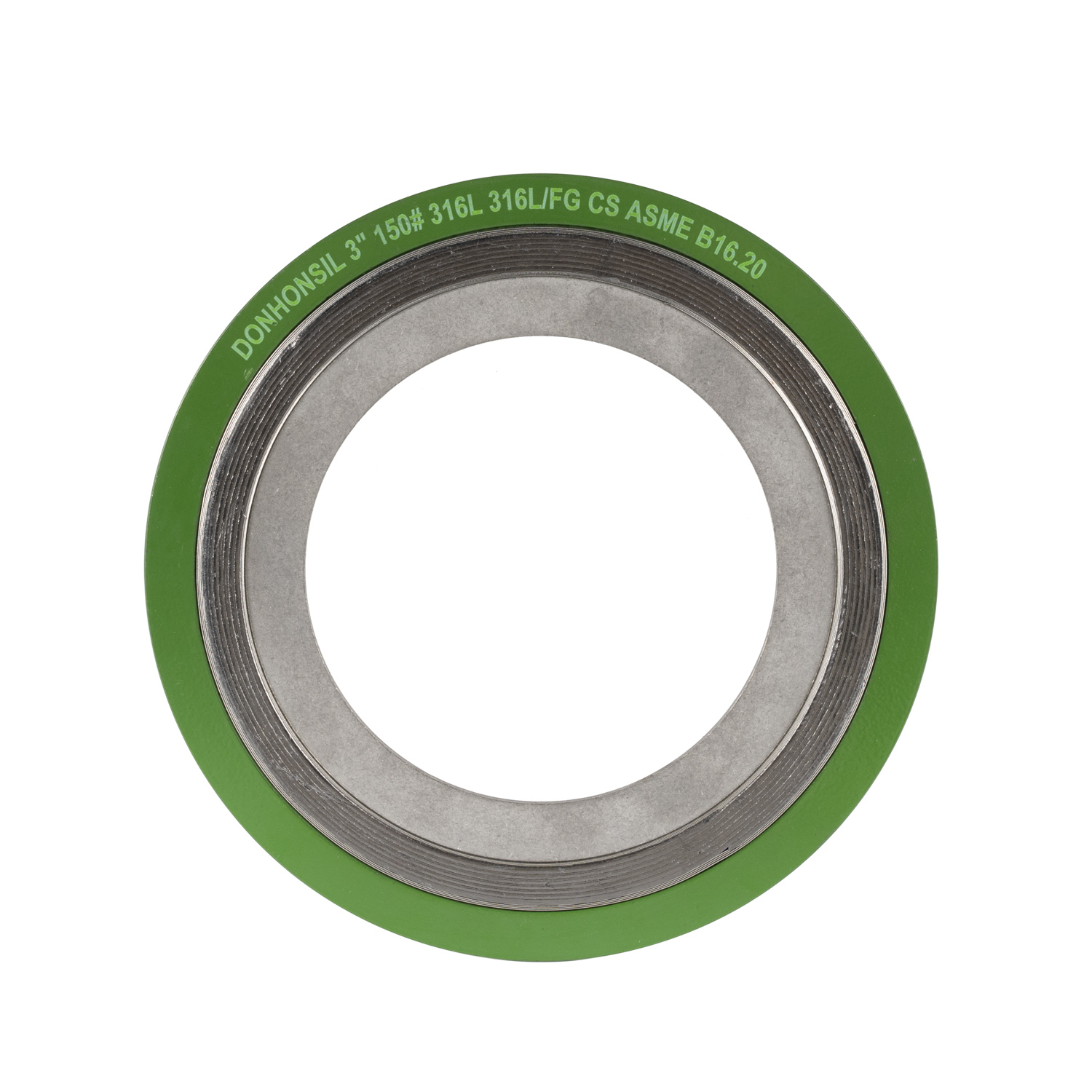
Plate heat exchangers are designed to manage a variety of challenging operating conditions. These include high-temperature steam, high-pressure liquids, and corrosive fluids that can significantly impact gasket performance.
Spiral wound gaskets are ideal for these applications due to their unique construction and material selection. With their combination of metal strips for strength and filler materials like graphite or PTFE for sealing and chemical resistance, they offer excellent performance in extreme conditions.
Feature | Description |
Temperature Resistance | Spiral wound gaskets can handle temperatures ranging from -200°C to +1100°C, ensuring reliable performance in both high and low-temperature applications. |
Pressure Resistance | These gaskets are designed to withstand the pressures often encountered in plate heat exchangers, ensuring the integrity of the seal under varying pressure conditions. |
Flange surfaces in plate heat exchangers are often not perfectly smooth. However, spiral wound gaskets can effectively seal even when surfaces are imperfect. The key lies in the elastic deformation of the metal strips. When the gasket is compressed between flanges, the metal strips deform slightly, allowing the gasket to adapt to minor surface irregularities.
This feature ensures that the gasket fills in any gaps on the flange surfaces, which is critical for preventing leaks. This adaptability is particularly important in plate heat exchangers, where even the smallest leak can compromise the entire system.
● Elastic deformation: Allows gaskets to fill imperfections on flange surfaces.
● Compression flexibility: Ensures a tight seal even under fluctuating operational conditions.
Feature | Benefit |
Elastic Deformation | Gaskets fill in microscopic gaps, ensuring no leakage at flange surfaces. |
Compression Flexibility | Gaskets can handle fluctuating temperatures and pressures, adapting to changing conditions without compromising the seal. |
The metallic materials used in spiral wound gaskets provide the critical structural integrity needed for demanding applications like plate heat exchangers. These gaskets rely on metal strips to ensure strength, durability, and stability under high-pressure and high-temperature conditions. The most common metals used in gaskets are stainless steel and various high-performance alloys, each chosen for its unique properties.
● Stainless Steel (SUS304, SUS316L): Stainless steel is the most commonly used material in spiral wound gaskets. Its excellent corrosion resistance and mechanical strength make it ideal for heat exchangers, especially in environments exposed to high temperatures and chemically aggressive fluids.
● High-Performance Alloys: For more extreme conditions, alloys such as Inconel, Monel, and Titanium are used. These materials offer superior strength at high temperatures and can withstand high-pressure environments, making them perfect for more demanding plate heat exchanger systems.
Material | Benefits | Ideal Use Case |
Stainless Steel | Corrosion resistance, strength, versatility | Commonly used for general heat exchanger applications |
Inconel | High temperature strength, oxidation resistance | High-temperature applications (e.g., steam systems) |
Titanium | Excellent strength-to-weight ratio, corrosion resistance in extreme conditions | Extreme pressure and temperature environments |
Filler materials are essential in ensuring the gasket’s ability to resist corrosion and maintain its sealing properties under different operational conditions. When selecting a filler material, it’s critical to consider the type of media that the gasket will come into contact with.
● Graphite: Known for its high-temperature resistance and chemical stability, graphite is ideal for steam and non-corrosive media. It allows the gasket to maintain effective sealing performance even under extreme conditions.
● PTFE: PTFE (Polytetrafluoroethylene) offers exceptional chemical resistance, especially in acidic or alkaline media. It is often used when sealing against harsh chemicals that would damage other materials.
● Mica: Mica’s thermal insulation properties and fire resistance make it perfect for high-temperature applications in heat exchangers, where the gasket must withstand both heat and aggressive media.
The combination of metal strip and filler material is critical to the gasket’s performance under high pressure and temperature fluctuations. The metal strip provides strength and structural stability, while the filler material contributes to sealing and chemical resistance.
● Temperature Resistance: Gaskets need to endure the wide temperature variations commonly encountered in plate heat exchangers. XS Seal's spiral wound gaskets feature materials like graphite and PTFE, which allow them to perform under temperatures ranging from -200°C to +1100°C.
● Pressure Resistance: The metal strips provide the necessary mechanical strength to withstand high pressures, while the filler material enhances the gasket’s ability to adapt to fluctuations, ensuring a tight seal throughout operation.
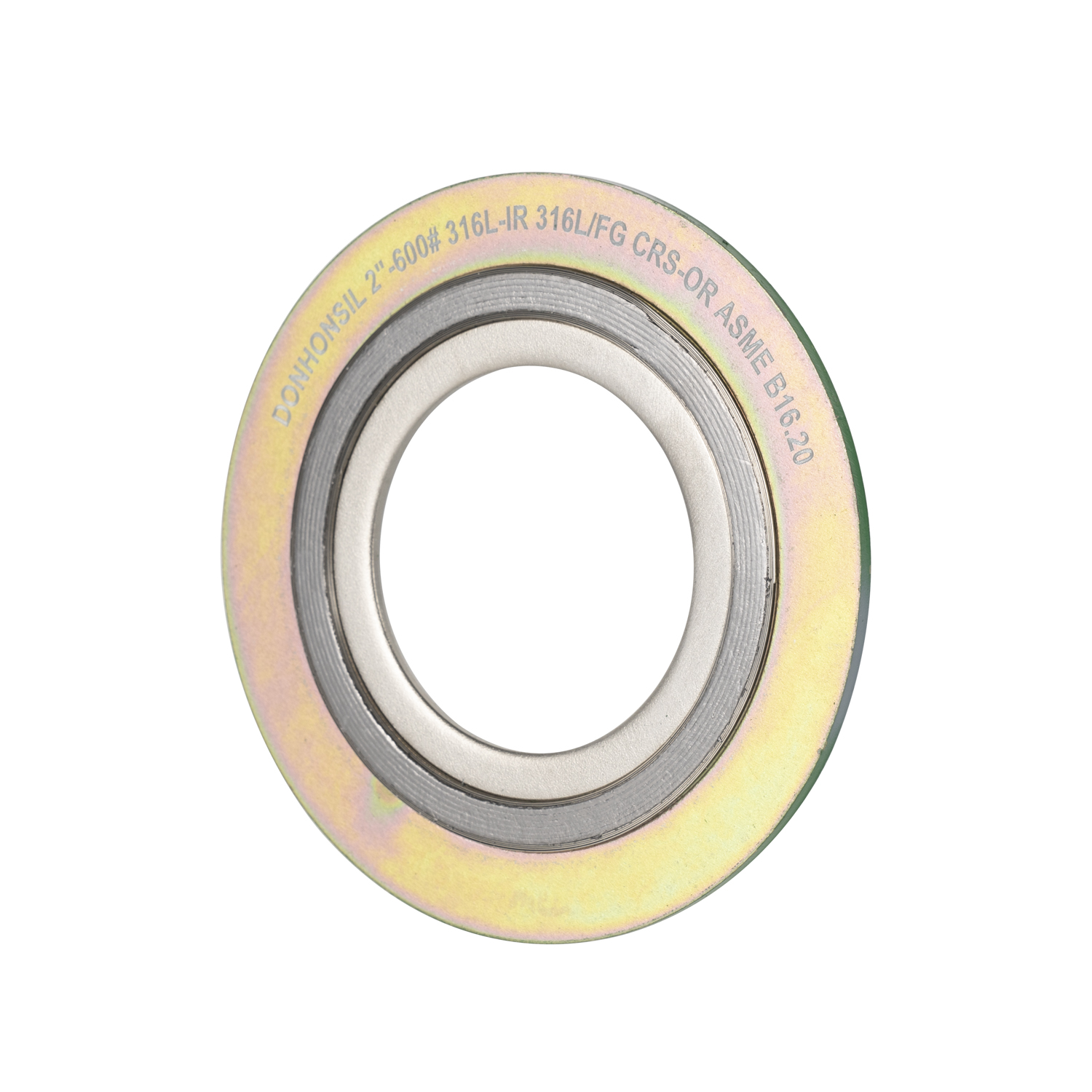
Before installing a spiral wound gasket in a plate heat exchanger, proper preparation of the flange surfaces is crucial. Ensuring that the flange surfaces are clean, smooth, and free of any debris or corrosion is essential to prevent damage to the gasket and guarantee a reliable seal. Any imperfections on the flange can cause the gasket to fail, leading to leaks and system inefficiency.
● Cleanliness: Ensure that both the flange face and the gasket are free from dirt, oil, rust, or any contaminants.
● Surface Smoothness: Rough or damaged flange surfaces can compromise the seal. Use appropriate tools to smooth out any imperfections.
● Correct Gasket Size: Select a gasket that matches the size of the plate heat exchanger flange. The gasket should fit snugly without being compressed excessively or left loose.
Proper preparation sets the stage for a successful installation of the spiral wound gasket, ensuring it performs as expected under demanding operational conditions.
Installing a spiral wound gasket correctly is key to its long-term performance in plate heat exchangers. Following best practices ensures that the gasket can provide a reliable seal throughout the system’s lifespan.
● Position the gasket accurately on the flange, ensuring that it is centered and aligns properly with the bolt holes.
● Ensure the gasket does not shift during installation to maintain uniform sealing.
● Follow the manufacturer’s torque specifications to avoid over-tightening or under-tightening, which could lead to gasket deformation or improper sealing.
● The tightening process should be done in a uniform and gradual manner to distribute stress evenly across the gasket.
● Tighten bolts symmetrically, alternating across the flange to ensure even compression. Uneven tightening can lead to gaps in the seal and cause leakage.
● Follow the recommended torque values based on the gasket material and operating conditions to ensure the gasket maintains its shape and sealing capability.
Maintaining spiral wound gaskets is essential to ensure long-term reliability in plate heat exchangers. Regular checks and prompt replacements help avoid failures and maintain system efficiency.
After installation, perform a leak test to verify that the gasket is sealing properly. A simple pressure test can help detect any weaknesses or leaks early on, preventing potential damage.
Routine inspections should be conducted to check for signs of gasket wear, corrosion, or damage that could compromise the seal. Pay particular attention to areas exposed to extreme temperatures, pressure, or aggressive media.
Gaskets should be replaced after extended service or if there is any sign of thermal cycling. The gasket's performance can degrade over time, especially in environments with fluctuating temperatures and high pressures.
Maintenance Task | Frequency | Importance |
Leak Testing | Post-installation and periodic checks | Detects leaks early, preventing system failure and downtime |
Inspection | Regular (e.g., quarterly or annually) | Ensures gasket integrity and prevents unexpected failures |
Gasket Replacement | As needed (after thermal cycling or wear) | Replaces degraded gaskets, ensuring continuous system performance |
Spiral wound gaskets are essential for plate heat exchangers, offering high performance in extreme pressure and temperature environments. Proper material selection ensures reliable sealing, especially with fillers like graphite and PTFE. DONHONSIL provides customized solutions with high-quality spiral wound gaskets, ensuring lasting reliability and sealing performance for critical systems.
A: A spiral wound gasket is a sealing solution made of alternating metal strips and filler material, offering excellent performance in high-pressure and high-temperature applications like plate heat exchangers.
A: Spiral wound gaskets, made with materials like graphite or PTFE, are highly resistant to temperature fluctuations, ensuring consistent sealing performance in heat exchangers.
A: Their ability to withstand high pressure, temperature changes, and aggressive media makes them perfect for ensuring tight seals in plate heat exchangers.
A: Common materials include stainless steel for strength and graphite or PTFE for chemical resistance and temperature stability in heat exchanger applications.
A: Regular inspections and leak testing are essential. Gaskets should be replaced after extended service to ensure they maintain sealing integrity and prevent leaks.


