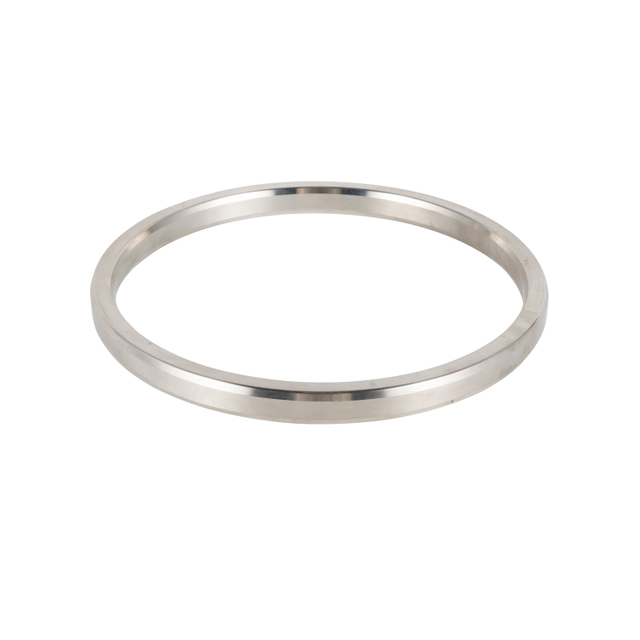
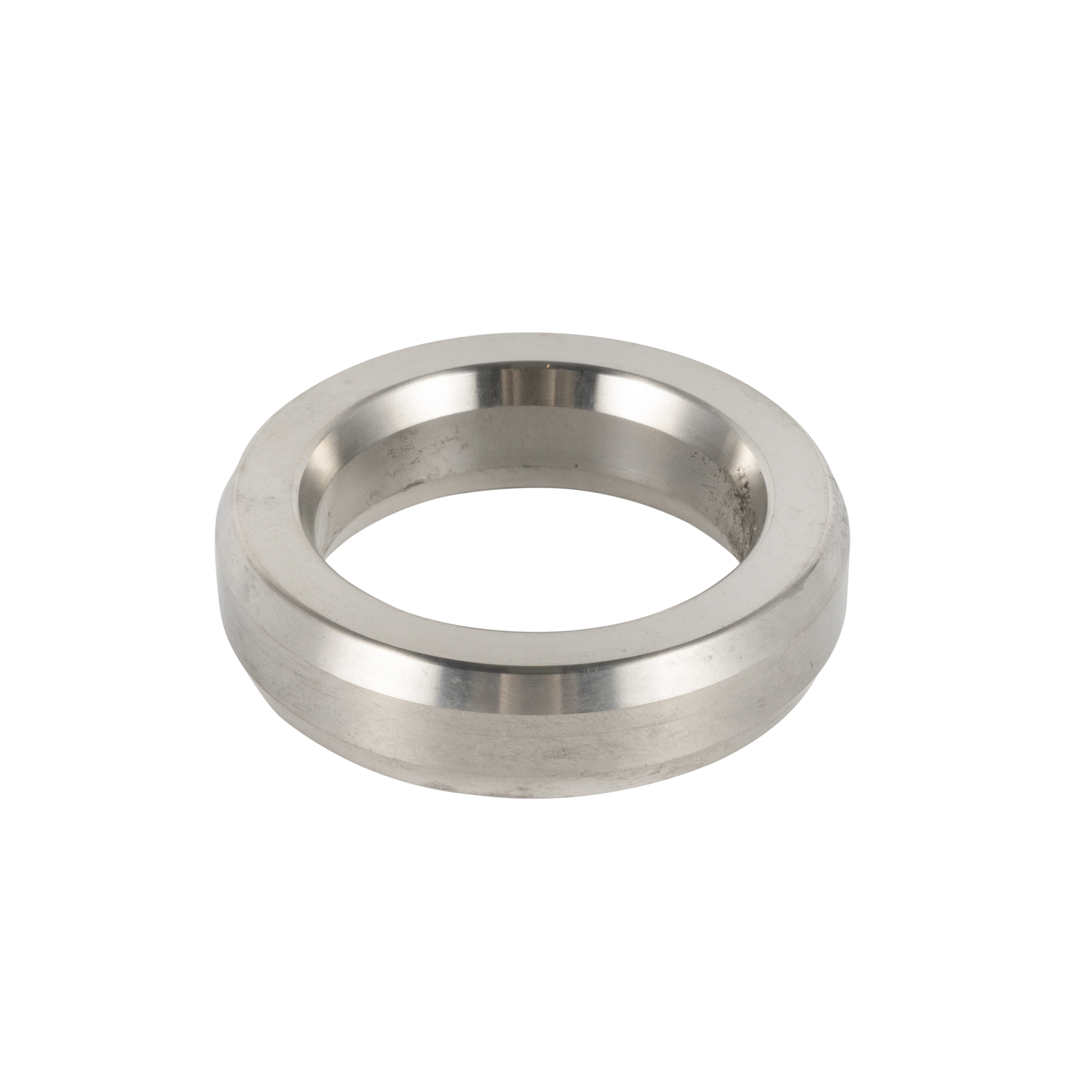
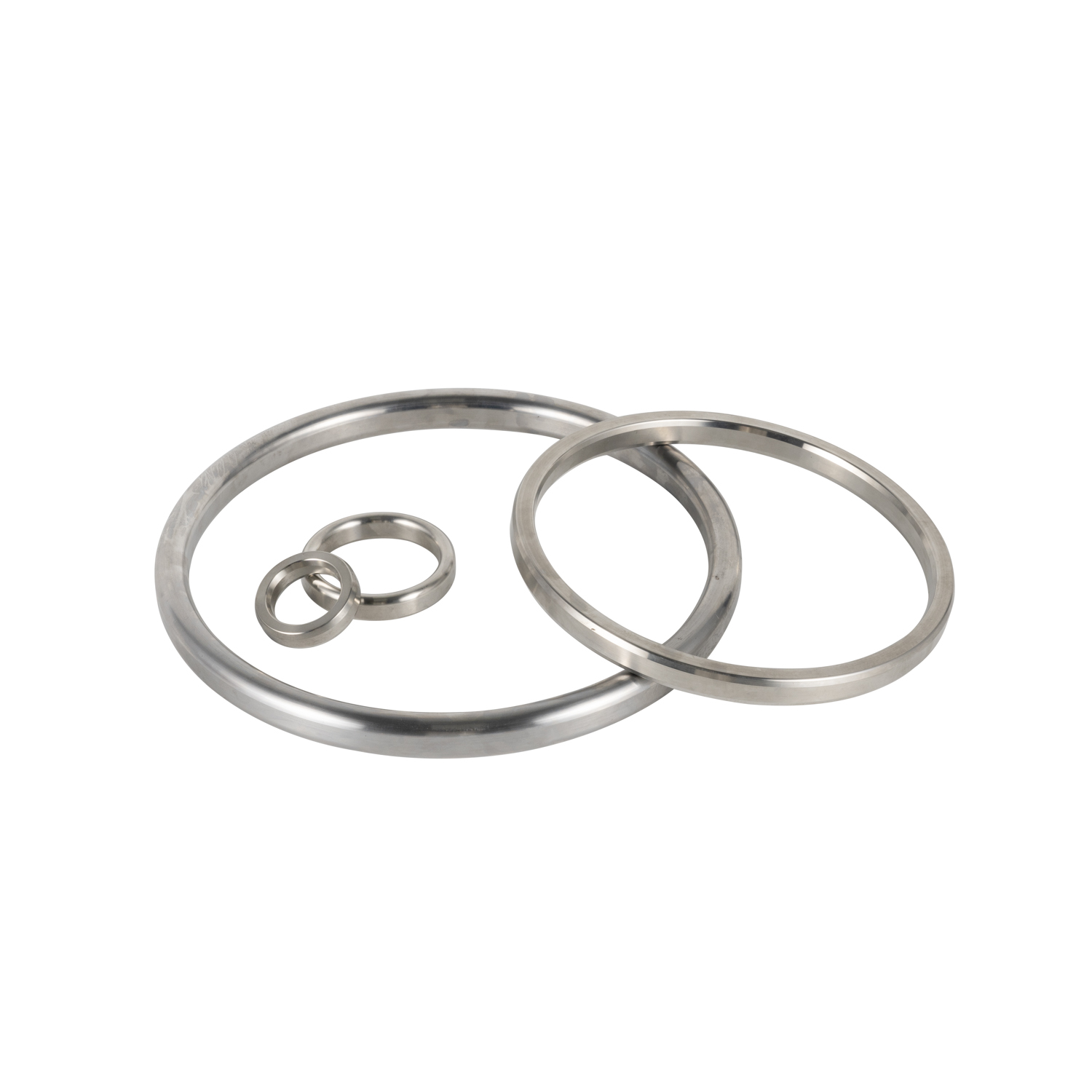
Engineered to seal,
The last line of defense against leakage
+86-13566064802

Views: 0 Author: Site Editor Publish Time: 2026-07-09 Origin: Site
In high-pressure, high-temperature industrial applications—such as petrochemical processing, offshore drilling, and mining—sealing failures result in catastrophic downtime, safety hazards, and severe environmental liabilities. Procurement and engineering teams face the challenge of sourcing metallic seals that strictly adhere to API and ASME standards. They must ensure the chosen supplier can deliver consistently across global operations without material degradation, dimensional variances, or surface finish defects. This guide provides a technical framework for evaluating a Ring Joint Gasket manufacturer, detailing the operational criteria for R, RX, and BX profiles. We outline the critical supply chain, metallurgical, and compliance metrics required for vendor shortlisting, ensuring your infrastructure remains leak-free under extreme operational stress.
Profile Specificity: R-Type gaskets serve standard applications, while RX and BX types utilize pressure-energized mechanisms for extreme-pressure environments (up to 20,000 psi).
Hardness Differentials: A qualified manufacturer must guarantee that gasket material hardness is strictly controlled to be 15-20 Brinell points lower than the flange material to prevent permanent flange deformation.
Surface Finish Criticality: Achieving a helium-tight seal requires precise surface finish controls (63 micro-inches Ra max for R/RX, and 32 micro-inches Ra max for BX).
Standardization vs. Customization: Top-tier suppliers must demonstrate rigorous compliance with API 6A and ASME B16.20 standards, alongside the capability to engineer custom alloys and specialized variations (e.g., rubber-coated, transition, or blind RTJs).
Supply Chain Resilience: Global availability, traceable metallurgy (PMI, MTRs), and rapid deployment capabilities are non-negotiable criteria when evaluating a primary ring joint gasket supplier.
Table of Contents
Defining the operational baseline for RTJ gaskets is critical for system integrity. They must maintain a leak-proof seal under extreme pressure and temperature fluctuations. This reliability relies entirely on a precisely machined metal-to-metal contact between the gasket and the flange groove. When you apply the initial bolt load, it deforms the softer gasket material into the harder flange groove. This creates a coining effect that effectively seals the micro-imperfections of the flange face. You cannot achieve this seal with standard elastomeric or spiral wound gaskets in extreme environments.
Surface roughness plays a vital role in preventing micro-leakage paths. Strict tolerances govern the 23-degree angle on the gasket and flange groove faces to ensure optimal wedging. If surface finishes exceed allowable maximums, the metal cannot flow properly to block leak paths. Substandard manufacturing leads to galling, improper seating, hydrogen embrittlement, and galvanic corrosion. These failure modes compromise the structural integrity of the entire piping system. Field engineers often encounter flanges ruined by improper gasket hardness, requiring complete replacement or on-site re-machining.
To understand the mechanical requirements, we must look at the specific tolerances dictated by industry standards. The metal-to-metal seal is unforgiving. A single scratch across the seating face of the groove can channel high-pressure fluid, leading to a washout. This is why handling, storage, and installation procedures are just as critical as the manufacturing process itself. When you torque the bolts, you are forcing a controlled yield of the gasket material. If the metallurgy is inconsistent, the yield will be uneven, resulting in a biased flange face and an inevitable leak.
Surface Finish Requirements for RTJ Flanges | ||
Gasket Type | Maximum Surface Roughness (Ra) | Typical Application |
|---|---|---|
R-Type | 63 micro-inches | Standard ASME B16.5 / API 6B |
RX-Type | 63 micro-inches | High-vibration API 6B |
BX-Type | 32 micro-inches | Extreme pressure API 6BX |
Understanding the three primary configurations helps engineers select the right seal for specific operational demands. Each profile features unique sealing mechanics, specific use cases, and cross-compatibility rules. Selecting the wrong profile for a specific flange groove will result in immediate failure during hydro-testing or, worse, during live operations.
The R-Type profile comes in two distinct cross-sections. The oval profile provides a line contact and suits older, round-bottomed flange grooves. The octagonal profile offers surface contact, yielding higher sealing efficiency. Octagonal shapes are the standard for modern ASME B16.5 and API 6B flanges. The octagonal geometry provides a more uniform distribution of radial stress across the sealing face. These standard applications are typically rated for pressures up to 10,000 psi. When upgrading older facilities, engineers often replace oval rings with octagonal rings, provided the flange grooves have flat bottoms.
The sealing mechanics of the R-Type rely entirely on the compressive force generated by the flange bolts. As you tighten the studs, the gasket wedges into the groove. This requires massive bolt loads to maintain the seal, especially as internal pipeline pressure attempts to push the flanges apart. Over time, thermal cycling can cause bolt relaxation, which reduces the compressive load on the R-Type gasket and increases the risk of leakage.
RX-Type gaskets feature a pressure-energized mechanism. Internal system pressure acts on the outer sealing faces, increasing the contact pressure against the groove walls as system pressure rises. They are designed to fit the exact same ASME B16.20 and API 6B groove designs as standard R-Type gaskets. This makes them an excellent upgrade for high-vibration, thermal shock, or high-load environments. RX gaskets are taller and wider than R-Types. They require increased flange makeup distance and higher initial torque to achieve the necessary initial seat load.
Because the RX-Type is pressure-energized, it compensates for minor bolt relaxation. As the internal fluid pressure tries to separate the flanges, it simultaneously pushes outward against the inside diameter of the RX gasket. This outward force wedges the gasket tighter into the groove. Field crews must account for the increased standoff distance when installing RX gaskets, ensuring piping supports and hangers can accommodate the slight change in overall spool length.
BX-Type gaskets are exclusively designed for API 6BX flanges. They handle extreme pressures ranging from 5,000 up to 20,000 psi in subsea and offshore drilling systems. A defining feature is the integrated pressure-equalizing hole. This axial hole vents trapped fluid pressure from behind the sealing faces. It prevents fluid entrapment, known as hydraulic lock, which could otherwise hinder correct flange seating. BX gaskets allow for complete face-to-face flange contact. This design transfers external structural loads, such as bending and tension, through the heavy flange body rather than overloading the gasket itself.
Achieving face-to-face contact with a BX gasket requires precise machining and strict adherence to bolting procedures. If the flanges do not meet face-to-face, the joint is compromised. The gasket will bear the brunt of external piping loads, leading to fatigue and eventual failure. The pressure-equalizing hole is not optional; it is a critical safety feature that ensures the gasket can seat fully without trapping incompressible fluids in the groove.
Beyond standard profiles, specialized variations serve niche operational needs. Rubber-coated RTJs are frequently used for pressure testing and hydro-testing of valves and pipelines. The coating prevents damage to the flange grooves during temporary setups. Transition ring joint gaskets are engineered to connect flanges of differing sizes or groove configurations. For example, they allow a safe transition from an R-Type to an RX-Type groove. Blind RTJs feature integrated solid blind plates for pipeline isolation. RTJs with built-in mesh screens provide fluid filtration during critical startup phases.
Auditing a supplier requires a strict review of their technical and operational capabilities. You must verify their engineering precision, material control, and supply chain reliability. A manufacturer that cannot provide full traceability is a liability to your operations.
An engineering mandate requires the gasket material to be consistently 15-20 Brinell points softer than the flange material. For example, Soft Iron should be 90 HB max, while 316L SS should be 160 HB max. Evaluate the manufacturer’s heat treatment and furnace calibration capabilities. These processes ensure uniform hardness across entire production runs. Furthermore, verify the manufacturer's ability to supply gaskets complying with NACE MR0175/ISO 15156 standards for sour gas environments. These applications require strict limitations on material hardness and chemistry to prevent sulfide stress cracking.
If a manufacturer fails to properly anneal a batch of gaskets, the resulting hard rings will destroy the flange grooves during makeup. We have seen entire manifolds scrapped because a supplier skipped a final hardness check. You must demand hardness testing reports for every batch. The delta factor is non-negotiable. The gasket must sacrifice itself to protect the flange.
Maximum Hardness Specifications for Common RTJ Materials | ||
Material | Maximum Brinell Hardness (HB) | Maximum Rockwell Hardness (HRB) |
|---|---|---|
Soft Iron | 90 | 56 |
Low Carbon Steel | 120 | 68 |
4-6% Chrome 1/2% Mo | 130 | 72 |
Type 316 Stainless Steel | 160 | 83 |
Assess the supplier's adherence to API 6A (PSL 1 through PSL 4), API 17D for subsea equipment, and ASME B16.20. Metallurgical integrity is non-negotiable. Require mandatory Positive Material Identification testing and full Mill Test Reports. These documents verify chemical composition and prevent the introduction of counterfeit or non-compliant alloys. Additionally, verify their capabilities for Non-Destructive Testing. Liquid Penetrant Testing, Ultrasonic Testing, and Helium Leak Testing are essential for critical subsea components.
Traceability means you can track a specific gasket back to the exact heat of steel it was forged from. If a failure occurs in the field, you need to know immediately if other flanges in your facility are at risk. A reputable manufacturer stamps every ring with the material code, standard, and a unique heat number. If the stamping is missing or illegible, reject the part.
Evaluate the supplier's geographic footprint. Determine if they can deliver to remote offshore platforms, international refineries, or remote mining operations without prohibitive lead times. Assess their inventory depth and material range. They must stock standard R, RX, and BX sizes in materials like Soft Iron, Low Carbon Steel, and SS 304/316L. They should also carry advanced alloys such as Inconel 625/825, Monel 400, Duplex, and Titanium for emergency maintenance and turnarounds.
During a plant turnaround, discovering a damaged flange groove might require an immediate shift to a custom transition ring or a specialized alloy. Your supplier must have the machining capacity and raw material stock to turn around custom orders in days, not weeks. Evaluate their logistics network and their ability to handle expedited freight for critical path items.
Balancing upfront procurement requirements with long-term operational integrity requires careful material and coating selection. You must weigh the immediate capital expenditure against the operational risks of using inferior materials.
Analyze the operational trade-offs when selecting materials. Super alloys like Hastelloy and Inconel require higher initial investment but offer an extended lifecycle. They reduce shutdown frequency and improve safety in aggressive corrosive media. Always consider the bimetallic corrosion risks. You must verify the compatibility of exotic gaskets with standard flange materials to prevent galvanic coupling.
Using a standard 316L stainless steel gasket in a high-chloride environment might save money today, but it will lead to pitting and failure within months. Upgrading to Inconel 625 prevents this corrosion but introduces a galvanic potential if mated to carbon steel flanges. Engineers must specify the correct isolation kits or transition materials to manage these electrochemical reactions in the field.
Coatings provide both temporary and permanent benefits. Zinc or Cadmium plating offers temporary corrosion protection during transport and storage. High-performance coatings like PTFE, Xylan, or Silver provide operational advantages. They reduce friction during torque-up and prevent galling on stainless steel or alloy flanges. These coatings also facilitate easier seal removal during routine maintenance operations.
When you pull a flange apart after five years in sour gas service, an uncoated stainless steel gasket will often gall and weld itself to the groove. This requires destructive removal and extensive flange repair. A silver-plated gasket prevents this galling, allowing the ring to pop out cleanly. The minor cost of plating pays for itself during the first maintenance cycle.
Deploying metallic seals in critical infrastructure carries inherent risks. Improper installation torque leads to uneven seating and immediate leakage. Mitigate this by enforcing strict bolting procedures and utilizing calibrated hydraulic tensioning equipment. Reusing metallic seals is another major risk factor. Once deformed, a Ring Joint Gasket loses its coining ability. Always mandate the use of new seals for every flange assembly. Finally, inadequate inspection of flange grooves prior to installation causes premature failure. Implement mandatory visual and dimensional inspections of groove surfaces to ensure they are free of scratches, pitting, and debris before seating the new gasket.
Field execution requires discipline. We recommend the following installation sequence for all RTJ assemblies:
Clean the flange grooves thoroughly using approved solvents and non-abrasive pads.
Inspect the groove surfaces with a flashlight and a surface comparator to verify the Ra finish.
Verify the gasket material, hardness, and profile match the engineering drawing and flange specifications.
Install the gasket dry, without any grease or thread lubricants on the sealing faces.
Apply lubricant only to the stud threads and nut bearing surfaces.
Tighten the bolts using a calibrated torque wrench or hydraulic tensioner in a strict crisscross pattern.
Perform multiple passes at 30%, 60%, and 100% of the target torque to ensure even seating.
To ensure long-term reliability, follow these next steps:
Audit your current supplier's MTR and PMI documentation for strict standard compliance.
Implement mandatory replacement policies to prevent the dangerous reuse of deformed metallic seals.
Upgrade to RX-Type profiles in systems experiencing high vibration or thermal shock.
Specify NACE-compliant materials for any applications involving sour gas or corrosive media.
As an established pioneer in advanced sealing engineering and high-precision infrastructure components, Dongheng delivers premium-grade, ultra-reliable metallic gaskets designed to meet the most stringent international field validation benchmarks. Built on a foundation of rigorous technical innovation, comprehensive material traceability, and meticulous quality control, the enterprise specializes in providing global industrial leaders with robust sealing solutions that maximize equipment lifespan, ensure strict regulatory compliance, and safeguard critical operational continuity across demanding high-pressure environments.
A: R-Type gaskets are standard seals relying purely on bolt load for deformation. RX-Type gaskets fit the same grooves but are taller and wider. They use a pressure-energized mechanism where internal system pressure increases the sealing force against the groove walls.
A: No. These gaskets seal by plastically deforming into the flange groove. Once compressed, the material hardens and loses its ability to coin into the micro-imperfections of the flange, making reuse highly susceptible to leakage.
A: The gasket must be 15-20 Brinell points softer to ensure it deforms before the flange does. If the gasket is too hard, it will permanently damage and deform the expensive flange groove, requiring costly re-machining.
A: The axial hole in a BX gasket is a pressure-equalizing feature. It vents trapped fluid or pressure from behind the sealing faces, preventing a hydraulic lock that would stop the flanges from seating correctly.
A: For standard R and RX type gaskets, the flange groove surface finish must not exceed 63 micro-inches Ra. For high-pressure BX type gaskets, the maximum allowable surface roughness is 32 micro-inches Ra.