
Engineered to seal,
The last line of defense against leakage
+86-13566064802

Views: 0 Author: Site Editor Publish Time: 2025-11-11 Origin: Site
Have you ever wondered what a gasket does in your car? These vital components play a crucial role in sealing engine parts and keeping fluids separate. A gasket leak can lead to overheating, engine damage, and costly repairs if not addressed. In this post, we'll explore the seriousness of gasket leaks, how to spot them, and why early detection matters for saving both time and money.
A gasket is a thin sealing layer placed between engine components, like the cylinder head and engine block. Its primary function is to create a tight seal, preventing leaks of oil, coolant, and combustion gases.
There are several types of gaskets used in automotive systems, including head gaskets, oil pan gaskets, and intake manifold gaskets. Each one serves a unique purpose in maintaining engine efficiency and performance.
Gaskets are essential for keeping different fluids in their designated areas. They help maintain the separation of oil, coolant, and combustion gases, which is critical for engine health. Without gaskets, these fluids could mix, causing severe damage.
These components also work in a high-stress environment, exposed to intense heat, high pressure, and constant vibration. The pressure from the combustion process and engine movement makes the gasket’s job even more challenging.
Gaskets are found in multiple parts of your car’s engine. Here are some of the most common places:
● Head Gaskets: Located between the engine block and cylinder head. It seals the combustion chamber and keeps coolant and oil separate.
● Oil Pan Gaskets: Found at the bottom of the engine, they seal the oil pan to the engine block, preventing oil leaks.
● Valve Cover Gaskets: Positioned between the valve cover and cylinder head, these gaskets prevent oil from leaking from the top of the engine.
Each gasket has a specific role, but they all work together to keep the engine running smoothly.
A gasket failure, especially a head gasket, can allow coolant to leak into the engine, causing it to overheat. Coolant is essential for regulating engine temperature, and without enough coolant, the engine will get too hot. When this happens, it can lead to engine parts warping, and in severe cases, engine failure. If you notice your temperature gauge climbing into the red zone or your car consistently overheating, it’s a strong sign of a gasket issue. Driving with an overheated engine can cause long-term damage, making repairs much more expensive.
When coolant leaks into the combustion chamber due to a blown head gasket, it turns into steam and exits through the exhaust. This results in thick, white smoke coming from your tailpipe, especially when starting the car. If the white smoke persists after the engine warms up, it's a major indicator of a blown gasket. This is not a minor issue; ignoring it can lead to further damage, such as a cracked engine block or warped cylinder head.
If coolant mixes with oil, the result is a milky, frothy substance that appears when checking the oil. This is often found around the oil filler cap or on the dipstick. This is a key sign that the head gasket has failed, allowing coolant to leak into the oil passages. When this happens, the oil loses its ability to lubricate the engine effectively, increasing the risk of internal damage. Driving with this condition can lead to worn-out engine parts and expensive repairs down the line.
A damaged gasket can cause a loss of compression in one or more cylinders. When compression is low, the engine struggles to produce the necessary power, leading to decreased performance. If your car feels sluggish, has rough idling, or experiences misfires, it could be due to a leaking gasket. These symptoms are commonly seen when coolant or oil leaks into the combustion chamber, affecting the spark plugs and overall engine function.
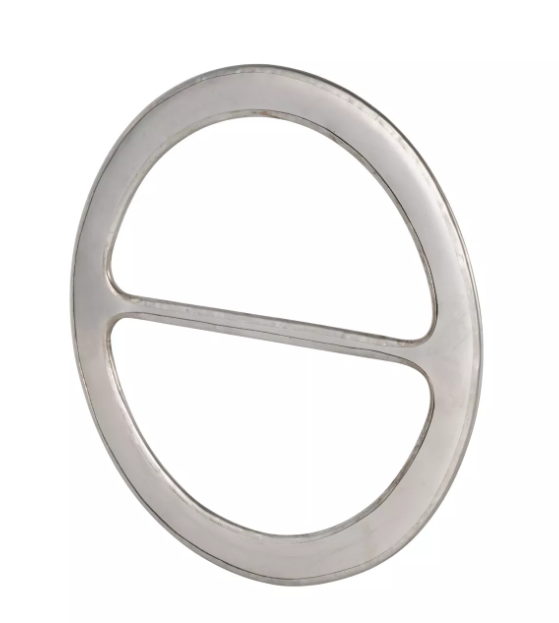
Ignoring a gasket leak can lead to significant engine problems. If coolant or oil leaks from the gasket, it can cause the engine to overheat. Over time, this can warp key components, like the cylinder head, making the damage worse. Untreated leaks allow fluids to mix and spread through the engine, leading to internal damage. If left unresolved, the engine may suffer severe failure, which could require an expensive rebuild or complete replacement.
When a gasket leak is ignored, several types of damage can occur:
● Engine Overheating and Warped Components: As coolant leaks, the engine’s temperature rises, potentially warping parts like the cylinder head. This may lead to a catastrophic failure if not addressed quickly.
● Contamination of Oil and Coolant Systems: A gasket leak can allow coolant to mix with oil or oil to mix with coolant. This reduces the efficiency of both systems and can lead to extensive engine damage.
● Corrosion and Sludge Build-Up: If coolant or oil continues to leak into areas it shouldn’t be, it can cause corrosion on internal engine parts. This can result in sludge build-up, blocking oil passages and damaging vital engine components.
It’s crucial to act quickly if you suspect a gasket leak. Small leaks can worsen quickly, so prompt attention is essential. For complex issues like a head gasket failure, professional diagnosis and repair are recommended. These types of repairs require specialized tools, knowledge, and experience to ensure the engine is properly fixed. Getting expert help as soon as possible can save you from costly repairs down the road.
When diagnosing a gasket leak, two important tests are used: compression and leak-down tests. These tests are particularly useful for detecting issues with the head gasket.
In a compression test, the mechanic measures the pressure in each cylinder by removing the spark plugs and using a compression gauge. If one or more cylinders show significantly lower pressure than the others, it suggests a problem with the gasket, which could be allowing air or coolant to leak out. This loss of pressure is a sign of a failure in the gasket's seal.
The leak-down test is more detailed. It involves introducing compressed air into the cylinder, and then measuring how much of the air escapes. If there’s a significant loss of pressure, it indicates a leak in the gasket. This test can also help pinpoint exactly where the leak is occurring. For example, if air escapes from the intake or exhaust valves, it can indicate a gasket failure between the cylinder and the valve. If air bubbles are seen in the coolant, it points to a failure between the cylinder and the coolant passage.
Both tests are essential for determining whether a gasket is leaking and identifying which cylinder is affected. They provide accurate data that helps guide further repair decisions.
In addition to compression tests, visual inspections are an easy and effective first step in diagnosing a gasket leak. Mechanics often check for visible signs of coolant or oil leakage around the engine. Common indicators include puddles or stains underneath the car, or wet spots along the engine block, valve covers, or cylinder head. These leaks are often a clear sign that the gasket may be failing.
A chemical inspection is another crucial diagnostic tool. The test involves using a special fluid that changes color when it detects combustion gases in the coolant. This test is especially useful for detecting a blown head gasket. When a gasket fails, it can allow exhaust gases to mix with the coolant, and the chemical fluid will change color, confirming the presence of gases in the coolant system. This method is non-invasive and highly effective for identifying leaks that might not be visible during a standard inspection.
Both visual and chemical tests are essential for diagnosing gasket leaks, and they work together to confirm suspicions and identify the exact source of the problem.
Inspection Type | What It Detects | How It's Done |
Visual Inspection | Oil, coolant, or exhaust leaks | Check for puddles or stains under the car and engine area |
Chemical Inspection | Combustion gases in coolant | Add a special dye to the coolant and check with UV light |
A cooling system pressure test is another critical diagnostic tool, especially for identifying leaks in the coolant system. During this test, a special tool is used to pressurize the cooling system. The pressure is gradually increased to the level that the system would experience while the engine is running. If the pressure drops during the test, it means that there’s a leak somewhere in the system.
If no external leaks are visible but the pressure continues to drop, it suggests that the leak is internal, possibly caused by a failing gasket. This test is particularly useful for identifying coolant leaks, which may not always be visible to the naked eye. By pressurizing the system, mechanics can detect subtle leaks that might otherwise go unnoticed, ensuring that any gasket issues are addressed before they cause further damage.
The cooling system pressure test is one of the most effective ways to confirm a gasket leak, especially when dealing with head gaskets or other internal engine leaks. It provides a clear indication of the leak’s severity and helps technicians determine the necessary steps for repair.
Tip: If you suspect a gasket leak, don't wait for the symptoms to worsen. Overheating or low coolant levels can cause serious engine damage. It's always best to have a professional perform diagnostic tests like a compression or cooling system pressure test to catch the issue early.
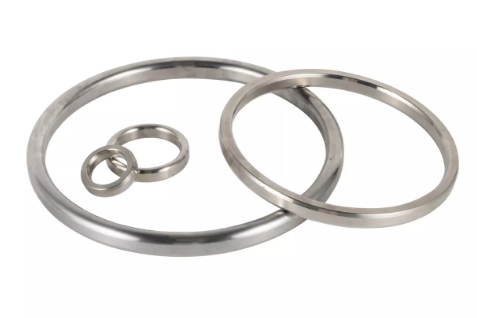
If your car is overheating or you notice coolant loss, it’s important to act quickly. First, pull over to a safe location and turn off the engine. Driving with an overheating engine can cause significant damage to internal components, such as the cylinder head and block. Let the engine cool down before attempting any further actions. If coolant levels are low, only top them up with the correct coolant after the engine has cooled. Never open the radiator cap while the engine is hot, as it can release scalding steam.
Once the engine is cool, check for visible signs of leaks. If the gasket is confirmed to be the cause of the issue, it's best to seek professional help as soon as possible to avoid further damage.
Replacing a gasket is a complex procedure, but it can be done with the right tools and knowledge. Here’s an outline of the steps involved in replacing a gasket:
1. Preparation: Start by disconnecting the battery and draining any fluids (oil, coolant, etc.).
2. Remove the Components: Carefully remove any parts obstructing access to the gasket, such as the valve cover or cylinder head.
3. Clean the Surfaces: Before installing a new gasket, make sure both the engine block and cylinder head surfaces are clean. Use a gasket scraper to remove old gasket material, carbon deposits, and dirt.
4. Install the New Gasket: Place the new gasket in the correct position, ensuring it aligns properly with the engine block and cylinder head.
5. Torque the Bolts: Follow the manufacturer’s specified torque procedure to tighten the bolts. Over-tightening or under-tightening can lead to gasket failure.
6. Reassemble: Once the new gasket is in place, reassemble the components, refill the fluids, and reconnect the battery.
After the repair, monitor the engine for any signs of leakage, and make sure to check the fluid levels regularly.
Gasket sealants and liquid stop-leak products can be tempting as quick fixes. These products may temporarily seal minor leaks, especially in areas like the valve cover or oil pan. However, they should only be used as a last resort or a temporary solution. These products work by filling small cracks or holes, but they do not address the root cause of the problem.
While sealants can help reduce leaks for a short period, they are not a permanent fix. Relying on them for extended periods may cause further engine damage, especially if the gasket issue is severe. It’s always better to replace the damaged gasket with a new one, following the proper steps. Sealants can be useful for getting the car to a repair shop, but they should never replace a full repair.
Gasket leaks are serious issues that can lead to engine overheating, internal damage, and costly repairs. Identifying the signs early, such as white smoke or milky oil, is crucial to prevent further damage. Regular maintenance and quick action can save time and money. If you suspect a gasket leak, it's essential to seek professional help. Companies like DONHONSIL provide reliable products that help address these issues effectively, ensuring long-term engine performance and reducing repair costs.
A: A gasket is a sealing component that prevents leaks between engine parts, such as the cylinder head and engine block. It ensures fluids stay contained and prevents contamination.
A: Common signs of a gasket leak include engine overheating, white exhaust smoke, milky engine oil, and loss of power. These symptoms may indicate a failing gasket.
A: Repair costs vary but can range from a few hundred to several thousand dollars, depending on the gasket type and the extent of the damage.
A: It's not recommended to drive with a gasket leak. Ignoring it can cause further damage to the engine, leading to costly repairs or even total engine failure.
A: Regular maintenance, such as checking coolant levels, avoiding engine overheating, and using the right fluids, can help prevent gasket leaks.


