
Engineered to seal,
The last line of defense against leakage
+86-13566064802

Views: 0 Author: Site Editor Publish Time: 2026-03-05 Origin: Site
Is your system at risk of leaks due to poor sealing? Choosing the right Spiral Wound Gasket is crucial for ensuring a reliable seal in high-pressure and high-temperature applications. In this article, we’ll explore how to select the perfect gasket for your pump system and mechanical seal. You’ll discover essential tips for evaluating pressure, temperature, and material compatibility to enhance performance.
A spiral wound gasket is a type of sealing element used to provide a reliable seal between two flange surfaces, even in extreme operational conditions. These gaskets are constructed by spirally winding layers of metal and filler material to form a robust, flexible seal. The metal winding strips provide structural strength, while the filler materials, such as graphite or PTFE, offer thermal resistance and prevent leakage of gases or fluids.
The typical construction includes:
● Metal Winding Strips: Usually made of stainless steel, Inconel, or Monel, these metal strips provide mechanical strength and resistance to pressure. The metal winding ensures the gasket maintains its shape under high pressure, which is crucial for systems with fluctuating pressures.
● Filler Material: Materials like graphite or PTFE are chosen for their temperature and chemical resistance. Graphite is perfect for high-temperature applications, while PTFE excels in corrosive environments, making it ideal for applications in chemical processing or steam systems.
● Inner and Outer Rings: The inner ring prevents inward buckling under high pressure, offering structural support. The outer ring helps align the gasket properly, ensuring even compression and preventing blowouts, especially in raised-face flanges.
Spiral wound gaskets are highly versatile, offering multiple benefits that make them indispensable in various industrial applications, such as pump systems and mechanical seals.
● Flexibility Under Pressure: These gaskets can handle high pressure without compromising the seal. The metal windings adjust to pressure fluctuations, allowing the gasket to maintain its integrity in dynamic environments.
● Adaptability to Extreme Temperatures: Designed to withstand extreme temperatures, spiral wound gaskets are ideal for systems that deal with fluctuating heat, such as those found in power generation and petrochemical applications.
● Cyclic Load Endurance: The alternating metal and filler materials allow spiral wound gaskets to absorb the impact of cyclic loading, which is common in pump systems and mechanical seals. This unique ability ensures the gasket's longevity under demanding conditions.
● Perfect for Imperfect Flanges: One of the standout features of spiral wound gaskets is their ability to seal perfectly, even in the presence of flange imperfections. This is particularly beneficial for pump systems, where flange surfaces may not always be perfectly smooth.
XS Seal, with its expertise in manufacturing spiral wound gaskets, delivers solutions designed to meet the toughest operational demands. Their products provide both the flexibility and durability needed to ensure long-term performance in complex systems.
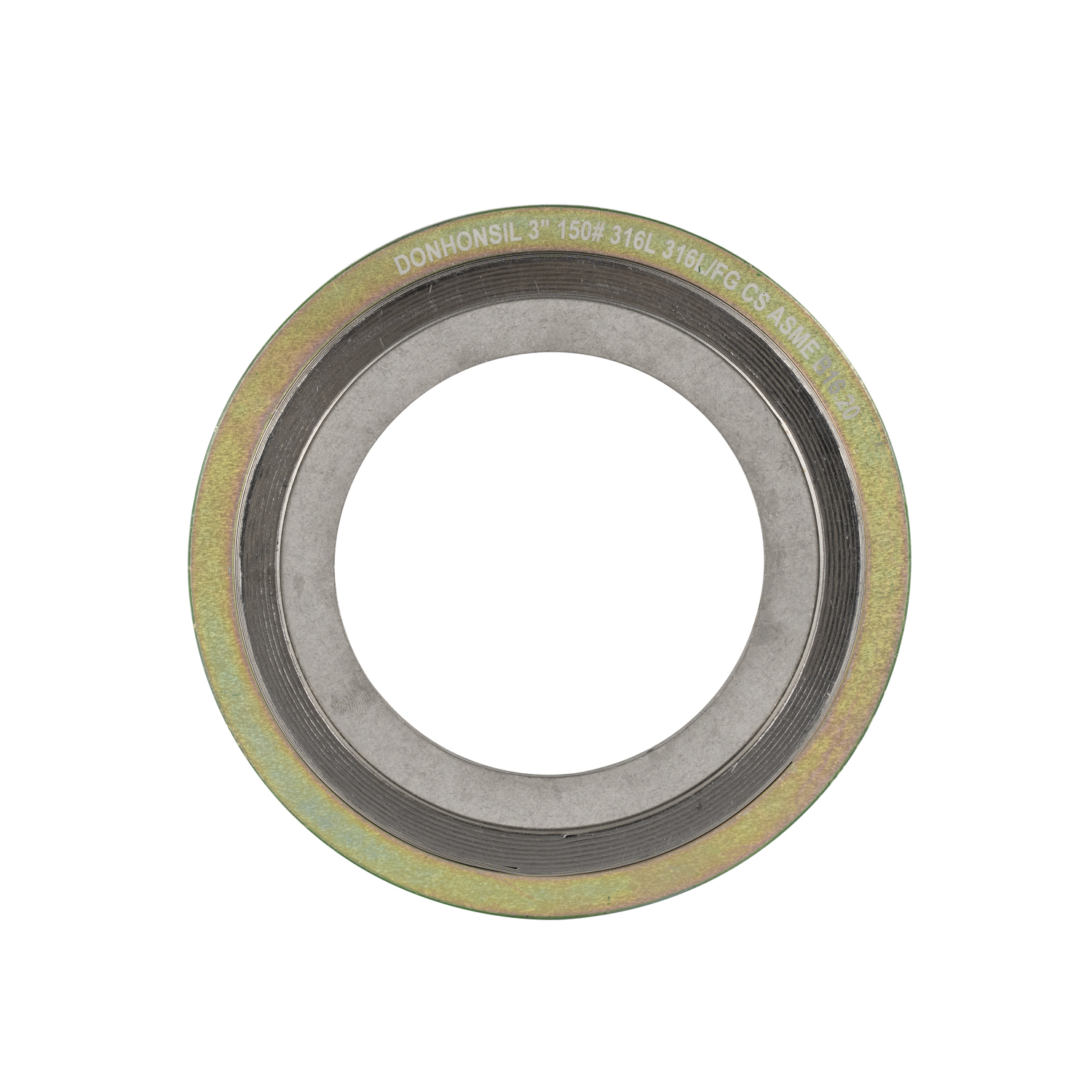
The Basic Spiral Wound Gasket (Style R) is the most commonly used gasket in low-pressure applications. It consists of a simple design without any inner or outer rings, making it an excellent option for situations where precise centering is not crucial. These gaskets are often used in male-and-female or tongue-and-groove flanges, where the alignment is naturally supported by the flange geometry.
● Best Suited for Low-Pressure Systems: The absence of additional rings allows it to perform well in applications where pressure levels are moderate and consistent, without excessive stress on the gasket.
● Ideal for Simple Flange Configurations: Since there is no inner or outer ring, these gaskets are used where the focus is on basic sealing, and flange alignment is less of a concern.
The Outer Ring Spiral Wound Gasket (Style CGI) features an outer centering ring, offering significant improvements in alignment and performance. This variant is ideal for raised face flanges commonly found in systems operating under moderate to high pressures.
● Enhanced Alignment: The outer ring aids in the gasket’s placement, ensuring proper centering even with raised face flanges. This reduces the chance of misalignment during installation, leading to a more reliable seal.
● Protection Against Blowouts: The ring not only helps with centering but also prevents blowouts, especially in environments where pressure fluctuations can be significant.
XS Seal specializes in providing customized spiral wound gaskets tailored to the unique needs of your system. These gaskets are designed to meet specific pressure and chemical compatibility requirements, ensuring they perform optimally under the harshest conditions.
● Tailored to Operational Needs: Whether you’re working with high temperatures or dealing with corrosive chemicals, XS Seal can customize the materials and design of your gasket to ensure it matches your specific operational conditions.
● Bespoke Solutions for Mechanical Seals and Pump Systems: XS Seal has a proven track record in providing customized sealing solutions that fit perfectly for mechanical seals and pump systems, ensuring long-lasting performance and reliability.
Table: Gasket Style Comparison
Feature | Style R (Basic) | Style CGI (Outer Ring) | Customized from XS Seal |
Best for | Low-pressure systems | Moderate to high-pressure | Tailored to system requirements |
Flange Type | Male-and-female, T&G | Raised face flanges | All flange types |
Ring Type | No rings | Outer ring for alignment | Customizable rings |
Pressure Tolerance | Moderate | Higher pressure tolerance | High, customized to needs |
Choosing the right spiral wound gasket begins with understanding the pressure and temperature requirements of your system. Pressure classes and temperature fluctuations play a key role in determining the type of gasket best suited for the application.
XS Seal provides high-performance spiral wound gaskets that are optimized for high-pressure and high-temperature environments, commonly found in pumps and mechanical seals.
● Pressure Resistance: Gaskets designed for high-pressure applications must maintain their sealing integrity under stress. Spiral wound gaskets excel in these conditions by distributing the pressure evenly across the gasket surface.
● Temperature Fluctuations: XS Seal’s spiral wound gaskets are built to withstand extreme temperature variations, ensuring the gasket remains reliable even in environments with fluctuating temperatures.
Table: Gasket Selection Based on Pressure and Temperature
Application | Recommended Pressure Class | Recommended Temperature Range |
High-Pressure Pump Systems | 250 bar (3625 psi) or higher | -100°C to 1000°C |
Mechanical Seals in Chemical Processing | 150 bar (2175 psi) | -50°C to 500°C |
Power Generation Systems | 200 bar (2900 psi) | -40°C to 900°C |
The materials used in spiral wound gaskets are fundamental to their performance in demanding environments. The metal winding provides the gasket’s structural strength, while the filler materials offer specific sealing properties. When selecting a gasket, consider both:
● Metal Selection: Materials like SS 316 and Inconel offer excellent corrosion resistance and mechanical strength, ideal for harsh chemical environments or systems under high pressure.
● Filler Materials: The choice of filler material depends on the temperature and chemical exposure. For instance:
○ Graphite is ideal for high-temperature applications (e.g., steam systems), where its ability to withstand extreme heat makes it a preferred choice.
○ PTFE is best for chemical resistance, particularly in systems handling aggressive chemicals, ensuring a reliable seal without degradation.
Table: Materials for Spiral Wound Gaskets and Their Applications
Metal Winding Material | Filler Material | Ideal Use Case |
SS 316 | Graphite | High-temperature, steam lines |
Inconel | PTFE | Corrosive chemical environments |
Monel | Mica-Graphite | Extreme heat and oxidizing media |
Ensuring the gasket material is compatible with the pumped media is crucial to prevent degradation and ensure a reliable seal. The chemical composition of the fluid, combined with the operating temperature and pressure, must be matched with the right gasket material.
● Chemical Compatibility: For example, if your system is handling hydrocarbons, you'll need a gasket with materials that resist degradation from oils and gases. XS Seal offers spiral wound gaskets that are tailored to specific media, ensuring leak-proof sealing.
● Flange Type Influence: The flange type (e.g., raised face, flat face) affects gasket selection. Spiral wound gaskets with outer rings are perfect for raised face flanges, where alignment and sealing pressure are critical. For flat face flanges, gaskets with compression control may be more suitable.
Table: Flange Type and Gasket Compatibility
Flange Type | Recommended Gasket Type | Gasket Features |
Raised Face | Outer Ring Spiral Wound Gasket | Ensures proper alignment and prevents blowouts |
Flat Face | Basic Spiral Wound Gasket | Ideal for less critical sealing environments |
Tongue-and-Groove | Customized Spiral Wound Gasket | Tailored to specific application needs |
To ensure a reliable seal and maximize the performance of Spiral Wound Gaskets, it’s essential to follow the proper installation practices. Each step plays a critical role in ensuring the gasket's longevity and efficiency.
● Correct Bolt Tightening: Begin tightening bolts in a cross-pattern to ensure even pressure distribution across the gasket. This method reduces the risk of uneven compression and prevents deformation of the gasket.
● Uniform Compression: Achieving uniform compression around the entire surface of the gasket is key. This ensures the gasket can adapt to flange imperfections without losing its sealing effectiveness. XS Seal gaskets are precision-engineered to allow for easy installation and a better seal.
Common mistakes during installation can lead to gasket failure and costly downtime. By avoiding these errors, you can ensure that the gasket works as intended:
● Over-Compression: Applying excessive torque to the bolts can crush the gasket, making it lose its sealing capability. Stick to manufacturer's torque specifications to avoid damaging the gasket.
● Uneven Bolt Tightening: Tightening bolts unevenly can cause portions of the gasket to be over-compressed, while others remain under-compressed. Always tighten bolts in stages using a torque wrench for accuracy.
● Damaged Flange Surfaces: Flanges must be smooth and free of contaminants. If the flange surface is damaged or dirty, the gasket will not form a proper seal, leading to leaks. Make sure to clean and inspect the flange thoroughly before installation.
XS Seal ensures that all their spiral wound gaskets are manufactured with high-quality materials and precise tolerances, helping prevent these common installation errors.
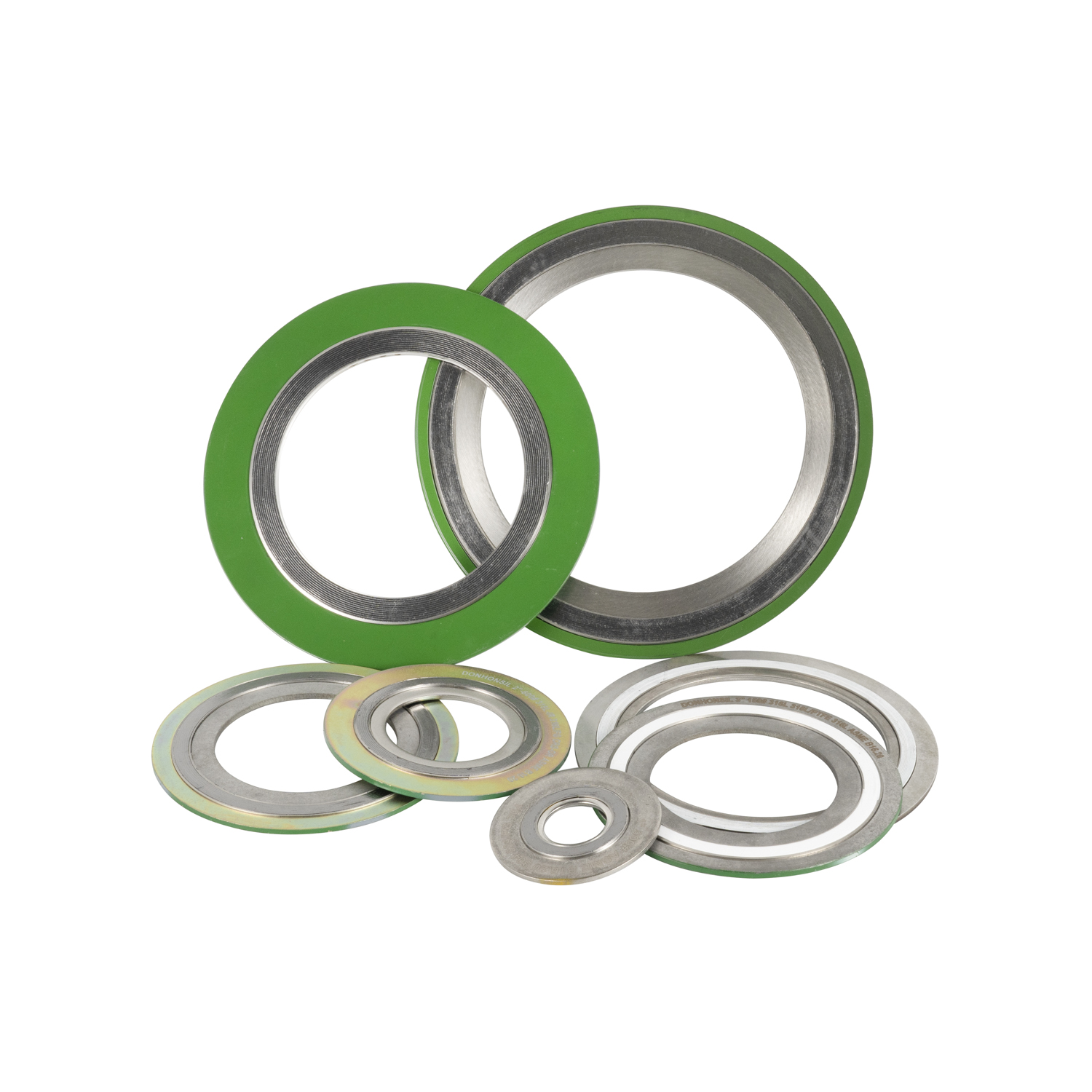
Proper maintenance and timely gasket replacements are essential for maintaining system integrity. Regular inspections ensure that any minor issues are addressed before they lead to major system failures.
● Routine Inspections: Periodic checks for leaks, damage, or deformation can help catch potential problems early. If any part of the gasket appears worn or compromised, it should be replaced.
● Scheduled Replacements: Even the best gaskets wear over time. Replace gaskets according to the manufacturer’s recommendations or when you notice signs of aging, such as loss of flexibility or cracking.
The lifespan of a spiral wound gasket is affected by various operational factors, including vibration, thermal cycling, and chemical exposure. These factors can lead to premature failure if not considered carefully.
● Vibration: Continuous vibration from dynamic loads in pump systems can wear down gaskets. It’s crucial to select gaskets made from materials that can resist wear due to vibration.
● Thermal Cycling: Temperature variations cause materials to expand and contract. Gaskets need to be made from materials like graphite or PTFE that can withstand these cycles without losing sealing capability.
When choosing a spiral wound gasket for pump systems and mechanical seal applications, it’s important to consider the operating pressure, temperature ratings, and material compatibility. DONHONSIL offers high-performance spiral wound gaskets, customized to meet the specific needs of industries like oil & gas, petrochemical, and chemical processing.
A: A spiral wound gasket is a sealing device made from alternating metal windings and filler materials like graphite or PTFE. It is used to provide a reliable seal in high-pressure and high-temperature applications.
A: Spiral wound gaskets are ideal for pump systems because they can handle high pressures and temperatures while maintaining a reliable seal, even in the presence of flange imperfections.
A: When choosing a spiral wound gasket, consider factors like pressure, temperature, media compatibility, and flange type. The correct gasket will ensure optimal sealing and prevent leaks.
A: Spiral wound gaskets use materials like SS 316, Inconel, graphite, or PTFE, depending on the application’s temperature, pressure, and chemical exposure requirements.
A: DONHONSIL provides customized spiral wound gaskets designed to meet the specific needs of each client, ensuring high performance and durability in industries like oil & gas, petrochemical, and chemical processing.


