
Engineered to seal,
The last line of defense against leakage
+86-13566064802

Views: 0 Author: Site Editor Publish Time: 2026-03-05 Origin: Site
Have you ever wondered why certain gaskets perform better than others in extreme environments? Spiral wound gaskets are designed to withstand high pressures, temperatures, and chemical exposure. In this article, we’ll explore how these factors affect gasket performance in pump and valve systems. You’ll learn how to ensure reliable sealing and extend gasket life in tough operating conditions.
Spiral wound gaskets are designed to withstand a broad range of temperatures, from extreme cold to heat exceeding 1100°C. High-temperature resilience is a critical factor in gasket performance, especially in applications like steam systems, chemical processing, and refineries.
Key Points:
● Graphite fillers play a crucial role in maintaining the gasket’s flexibility at elevated temperatures. This flexibility is vital for absorbing flange distortions, ensuring a tight seal even when the flanges shift or misalign under heat stress.
● Thermal cycling, the process of repeatedly heating and cooling systems, places stress on gaskets. Spiral wound gaskets are specially designed to compress and recover during thermal cycling, which enhances their ability to maintain sealing performance despite temperature changes.
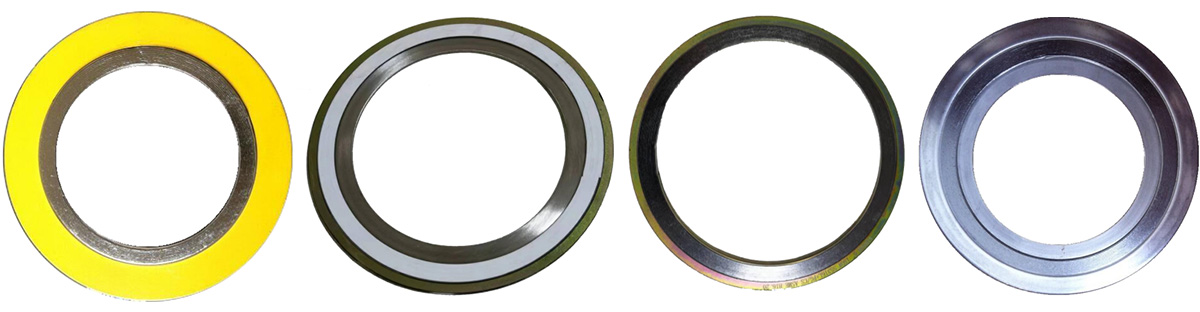
Spiral wound gaskets play a vital role in systems that experience significant pressure changes. Whether it’s in pipeline sealing or valve systems, these gaskets are designed to handle both high and fluctuating pressures without compromising their sealing integrity.
Key Considerations:
● Pressure classes range from 150 to 2500, and selecting the right pressure class ensures that the gasket can handle the specific pressure requirements of a given system. Higher pressure systems demand gaskets that provide reliable sealing at much higher loads.
Pressure Class | Maximum Pressure | Common Applications |
Class 150 | 285 psi | Low-pressure systems like water treatment |
Class 300 | 740 psi | Medium-pressure systems like heat exchangers |
Class 1500 | 2220 psi | High-pressure applications like steam lines |
Class 2500 | 3000 psi | Extreme pressure systems like oil rigs and refineries |
● The ability to handle pressure fluctuations is essential, especially in pumps and valves, where pressure surges can occur unexpectedly. Spiral wound gaskets excel in these environments, maintaining their seal and preventing leaks, even with frequent pressure changes.
Chemical environments, often found in industries like petrochemical, pharmaceutical, and chemical processing, require gaskets that can withstand aggressive substances. Spiral wound gaskets are commonly used in these settings because of their chemical resistance. Graphite and PTFE fillers ensure gaskets remain effective in sealing despite exposure to acids, caustics, and hydrocarbons.
Key Features:
● Graphite: Ideal for handling high temperatures and chemical aggression, graphite fillers are often used in spiral wound gaskets for sealing in highly reactive chemical systems.
● PTFE: Known for its inert nature, PTFE is frequently used when sealing systems that deal with aggressive chemicals or corrosive materials.
The performance of a spiral wound gasket largely depends on the materials used in its construction, specifically the metal windings and the fillers. These materials play an essential role in the gasket’s ability to withstand extreme pressure, temperature, and chemical exposure in applications such as pumps and valves.
● Metal windings: These are usually made from stainless steel, Monel, or Inconel, each selected for their unique properties:
○ Stainless Steel: Known for its corrosion resistance and mechanical strength, ideal for general sealing applications.
○ Monel: A nickel-copper alloy that provides excellent corrosion resistance, particularly in harsh marine and chemical environments.
○ Inconel: A high-performance alloy used for high-temperature applications, especially in the aerospace and energy sectors.
● Filler materials: The choice of filler affects the gasket’s ability to adapt to varying temperature and pressure conditions:
○ Graphite: Used for high-temperature applications due to its ability to handle extreme heat while maintaining flexibility.
○ Mica: A high-temperature, chemically inert material that resists corrosion and is often used in chemical processing.
○ PTFE: Known for its chemical resistance, especially in applications involving acids or caustics.
○ Ceramic fillers: These are used for extreme conditions involving high heat and corrosion, providing extra resistance.
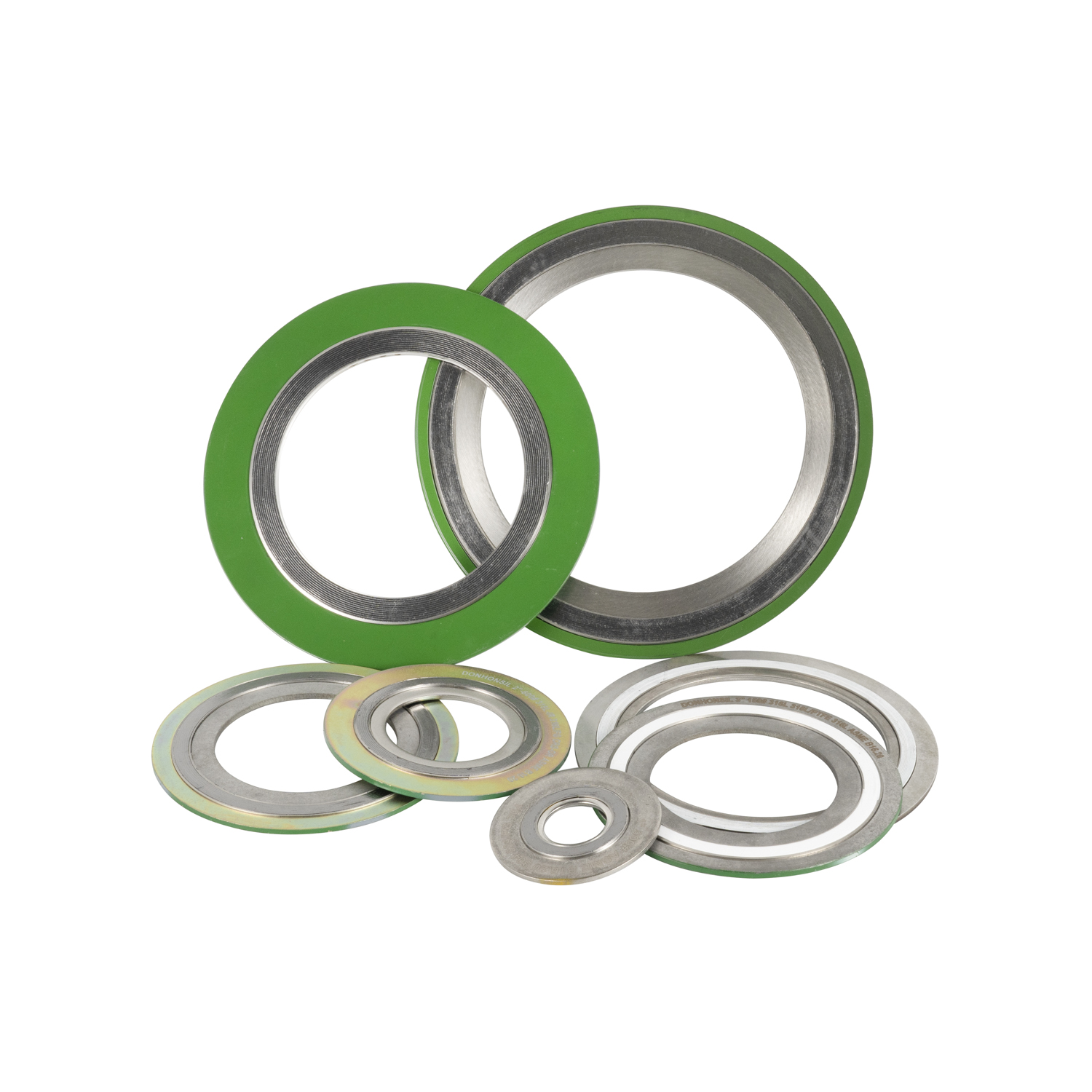
One of the most distinct features of a spiral wound gasket is its unique design. The spiral winding structure gives the gasket a spring-like flexibility, which is crucial for sealing under fluctuating pressures. This design enables it to maintain a secure seal even when the system experiences dynamic changes in pressure, temperature, or vibration.
● Shock absorption: The alternating layers of metal and filler material absorb pressure spikes and prevent gasket failure.
● Vibration resistance: The spiral construction allows the gasket to maintain its integrity despite mechanical vibrations from pumps, valves, or other industrial machinery.
● Thermal expansion management: As temperature fluctuates, the gasket’s design accommodates changes in size without compromising its sealing performance.
Choosing the correct metal winding and filler material is essential for ensuring that the spiral wound gasket can withstand specific operating conditions. Several factors influence material selection, including chemical compatibility, mechanical strength, compressibility, and temperature resilience.
● Chemical compatibility: The gasket material must be resistant to the chemicals in the system. For example, PTFE fillers are chosen for their resistance to aggressive chemicals like acids and solvents, while graphite is more suitable for high-temperature and corrosive environments.
● Mechanical strength: The chosen metal winding must be strong enough to handle the system’s pressure without deforming. Monel is a good choice for systems exposed to harsh chemical environments, while Inconel is ideal for high-temperature applications.
● Compressibility: For sealing efficiency, the gasket material should compress enough to fill any imperfections in the flange surface. The choice of filler material, such as graphite or mica, determines how much compression is required.
Material | Best For | Applications |
Monel | Highly corrosive environments | Marine, chemical processing, and petrochemical systems |
Inconel | High-temperature environments | Aerospace, power generation, and high-heat systems |
Graphite | High-temperature and high-pressure | Steam systems, refineries, and chemical plants |
PTFE | Chemical resistance | Systems exposed to acids, solvents, or caustics |
Correct installation is the first step to ensuring the reliable performance of a spiral wound gasket. Without proper installation, even the best gasket may fail under pressure, temperature, or chemical stress. Therefore, following the right installation techniques is crucial to maintaining a secure seal.
● Even bolt tightening: It’s important to tighten bolts evenly across the flange to distribute the load evenly on the gasket. Uneven tightening can cause the gasket to deform improperly, leading to leakage or failure.
● Avoiding misalignment: Proper alignment of the flanges is essential to ensure the gasket compresses uniformly. Misalignment can cause uneven pressure distribution, reducing sealing efficiency.
● Following torque specifications: Always adhere to the manufacturer’s torque specifications to avoid over-tightening or under-tightening. Over-tightening can distort the gasket, while under-tightening may fail to provide a sufficient seal.
The bolt load applied to a gasket is critical in ensuring that it maintains a secure seal under pressure. Gaskets need to be compressed evenly to fill any imperfections in the flange surfaces, but they must also retain enough resilience to maintain the seal over time.
● Proper compression: Ensuring the correct compression force on the gasket guarantees it creates a tight seal between the flanges. This helps prevent leaks in pressurized systems like pumps and valves, where fluid or gas must be contained at high pressure.
● Critical role of controlled compression: Excessive compression can lead to gasket extrusion, while insufficient compression can result in an inadequate seal. Finding the right balance is key to gasket performance.
● Flange condition adaptability: One of the key advantages of spiral wound gaskets is their ability to adapt to varying flange conditions, even when exposed to high stress. Whether the flanges are rough or misaligned, the gasket can still provide a reliable seal due to its flexible construction.
While gasket compression is essential to creating a reliable seal, over-compression can lead to gasket failure. It’s important to understand the impact of excessive compression on gasket integrity and how inner and outer rings play a vital role in preventing such issues.
● Impact of over-compression: When a gasket is over-compressed, it can lose its ability to recover, leading to material extrusion and a compromised seal. This is especially problematic in systems that experience pressure fluctuations or thermal cycling.
● Inner and outer rings: Many spiral wound gaskets are designed with inner and outer rings that help maintain proper compression and prevent the gasket from being over-compressed. The outer ring also serves to center the gasket in the flange, ensuring that it doesn’t buckle inward, while the inner ring prevents the gasket from expanding beyond its limits.
Gasket Component | Role in Performance |
Inner Ring | Prevents inward buckling and maintains gasket structure under high pressure. |
Outer Ring | Centers the gasket in the flange and limits over-compression. |
Spiral Winding | Provides flexibility and ensures recovery after compression. |
Spiral wound gaskets are built to withstand dynamic conditions such as thermal cycling and vibration, which can otherwise lead to gasket failure. These forces are prevalent in systems like pumps and valves, where continuous changes in temperature and mechanical movement occur.
● Thermal cycling stresses the gasket material as it expands and contracts. This can lead to stress relaxation, where the gasket loses its sealing power over time.
● Vibration from machinery can cause material fatigue, leading to cracks or leaks in the gasket if not designed for this environment.
Spiral wound gaskets are essential for critical systems that face extreme pressures, high temperatures, and aggressive chemicals. Their long-term durability is a key factor in maintaining system integrity.
● Stress relaxation occurs over time but spiral wound gaskets are engineered to recover and maintain pressure over long periods, ensuring continuous seal performance.
● Chemical attack can degrade the gasket material, but graphite and specialized metals like Monel offer exceptional resistance to these harsh conditions.
Material | Best For | Durability Feature |
Monel | Corrosive environments | Resists corrosion and high temperatures |
Inconel | High-temperature applications | High-temperature strength |
Graphite | Extreme heat and chemical resistance | Thermal cycling and chemical resistance |
The performance of spiral wound gaskets in pump and valve systems is significantly impacted by operating conditions such as temperature extremes, pressure variations, and chemical exposure. DONHONSIL offers tailored spiral wound gaskets, providing long-term reliability even in the harshest industrial environments, ensuring minimal downtime and efficient operation.
A: A spiral wound gasket is a semi-metallic sealing solution made of alternating metal windings and soft fillers, designed to withstand high pressure and temperature conditions.
A: Thermal cycling causes expansion and contraction of materials, which can lead to stress relaxation in gaskets. Spiral wound gaskets, however, are designed to recover and maintain sealing integrity despite these fluctuations.
A: Proper bolt load ensures the gasket is compressed evenly, maintaining a secure seal. Over-compression or insufficient compression can lead to gasket failure or leaks.
A: Spiral wound gaskets are specifically designed to withstand pressure fluctuations in systems, offering reliable sealing even in high-pressure applications such as pipelines and valves.
A: Materials like graphite and PTFE are commonly used in spiral wound gaskets for chemical processing due to their excellent resistance to harsh chemicals and extreme temperatures.


