
Engineered to seal,
The last line of defense against leakage
+86-13566064802

Views: 0 Author: Site Editor Publish Time: 2025-12-12 Origin: Site
A head gasket is a critical component in your engine. When it fails, the consequences can be severe, leading to costly repairs. Have you noticed your engine overheating or white smoke from the exhaust? These could be signs of a blown head gasket.
In this article, we will discuss the cost of repairing a head gasket, factors influencing the price, and whether you should consider professional help or tackle the repair yourself. You’ll learn how to make an informed decision and avoid unnecessary expenses.
The head gasket is a vital engine component located between the engine block and the cylinder head. Its primary function is to create a sealed barrier that prevents the leakage of coolant, oil, and exhaust gases. The head gasket ensures that the combustion chamber remains isolated, allowing for optimal pressure to build, which is crucial for efficient combustion.
Without a functioning head gasket, these fluids could mix or leak into other parts of the engine, such as the combustion chamber or the coolant system. This can significantly affect engine performance, and over time, cause catastrophic damage. The head gasket is under immense pressure and heat, which makes it one of the most stressed parts in the engine, often leading to failure after many years of use.
● Multi-Layer Steel (MLS) Head Gaskets: This type of gasket is commonly used in modern vehicles. The multi-layered design allows for improved sealing under high pressure and heat, making it more durable and effective. MLS gaskets are particularly favored in high-performance or modern engines.
● Copper Head Gaskets: Copper gaskets are commonly found in older vehicles or racing engines due to their ability to withstand extreme pressure. While they are efficient at sealing, they are more prone to failure under certain conditions.
● Elastomeric Head Gaskets: These gaskets consist of a combination of steel and rubber, providing a flexible and reliable seal. While they are less common than MLS gaskets, they are used in some vehicles for specific applications.
Type of Head Gasket | Key Features |
Multi-Layer Steel (MLS) | Durable, high pressure resistance, modern engines |
Copper | Withstands extreme pressure, older/racing engines |
Elastomeric | Flexible, steel and rubber combination |
The type of head gasket used in your vehicle can significantly affect both the repair cost and the longevity of the repair. MLS gaskets are generally more expensive but provide longer-lasting durability.
The head gasket plays a fundamental role in maintaining the engine’s overall efficiency. By preventing coolant and oil from mixing, it ensures that the engine’s cooling system operates efficiently, preventing overheating. A malfunctioning head gasket can cause a range of engine problems, from overheating to complete engine failure, which is why it’s crucial to address any gasket issues promptly.
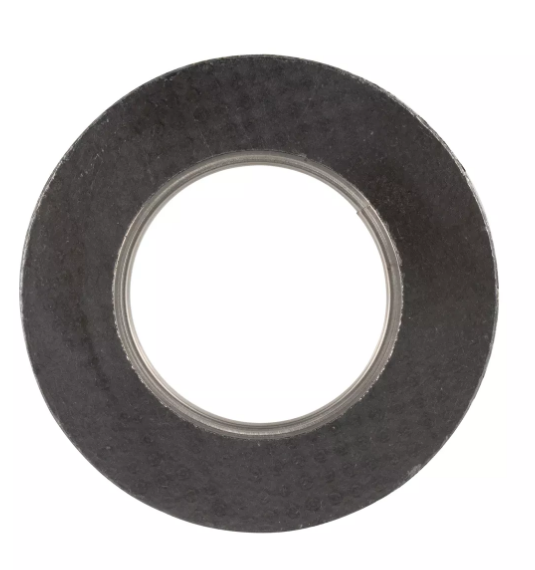
A head gasket failure can lead to overheating. When the gasket is damaged, coolant can leak out or be directed to the wrong part of the engine, reducing the system's ability to regulate temperature. As a result, the engine may overheat, causing long-term damage to components such as the radiator, thermostat, and even the engine block.
One of the clearest signs of a blown head gasket is white smoke from the exhaust. This occurs when coolant leaks into the combustion chamber, where it is burned along with the fuel. This produces thick, white smoke that is often visible from the tailpipe. If you notice white smoke billowing from your exhaust, it’s a strong indication that the head gasket has failed.
When coolant mixes with oil, it causes a milky, frothy appearance. This can usually be seen on the dipstick or under the oil cap. The milky oil indicates that coolant has leaked into the oil channels, which can lead to serious engine damage if not addressed. This is one of the most common signs of a blown head gasket.
● Bubbling in the Coolant Reservoir: If you notice bubbling in the coolant reservoir, this could indicate that exhaust gases are entering the cooling system due to a blown head gasket. The bubbling occurs when pressurized exhaust gases leak into the coolant system, which causes air pockets to form.
● Loss of Power: A blown head gasket can reduce engine compression, leading to a noticeable loss of power. The engine may struggle to accelerate, and fuel efficiency could decrease. This can be particularly noticeable when driving uphill or under heavy load.
The repair costs for a head gasket can vary greatly depending on the make and model of your vehicle. Luxury vehicles and high-performance cars, such as BMW or Audi, may have higher repair costs due to the complexity of their engines and the cost of specialized parts. For example, replacing a head gasket in a standard vehicle may cost between $1,000 and $3,000, while for a luxury car, the price could rise to $5,000 or more.
The type of engine also affects the cost. Vehicles with large or complex engines may require more labor and specialized parts, which can increase the overall cost of the repair.
Labor costs are a significant factor in the overall price of head gasket repair. Professional mechanics typically charge between $75 and $200 per hour, depending on the region and the shop’s reputation. Head gasket replacement is a labor-intensive process, often taking 6 to 12 hours to complete, depending on the complexity of the engine.
If you live in an area with high labor costs, such as a metropolitan city, you can expect to pay more for the repair. It’s always a good idea to shop around and get multiple quotes from different mechanics before making a decision.
While the head gasket itself is not the most expensive component, other parts related to the gasket replacement can add to the cost. These include gaskets, bolts, seals, and coolant. For a standard repair, parts may cost anywhere from $100 to $500. However, luxury vehicles or high-performance cars may require more specialized parts, which could increase the cost.
It’s also important to note that some shops may use aftermarket parts, which can be cheaper than original equipment manufacturer (OEM) parts. The decision to use OEM or aftermarket parts will influence the total cost of the repair.
The cost of repairing a blown head gasket also depends on how much damage has been done to the engine. If the failure has led to additional damage, such as a cracked engine block or warped cylinder heads, the repair cost will increase significantly. In some cases, it might even be more cost-effective to replace the entire engine rather than repairing the gasket.
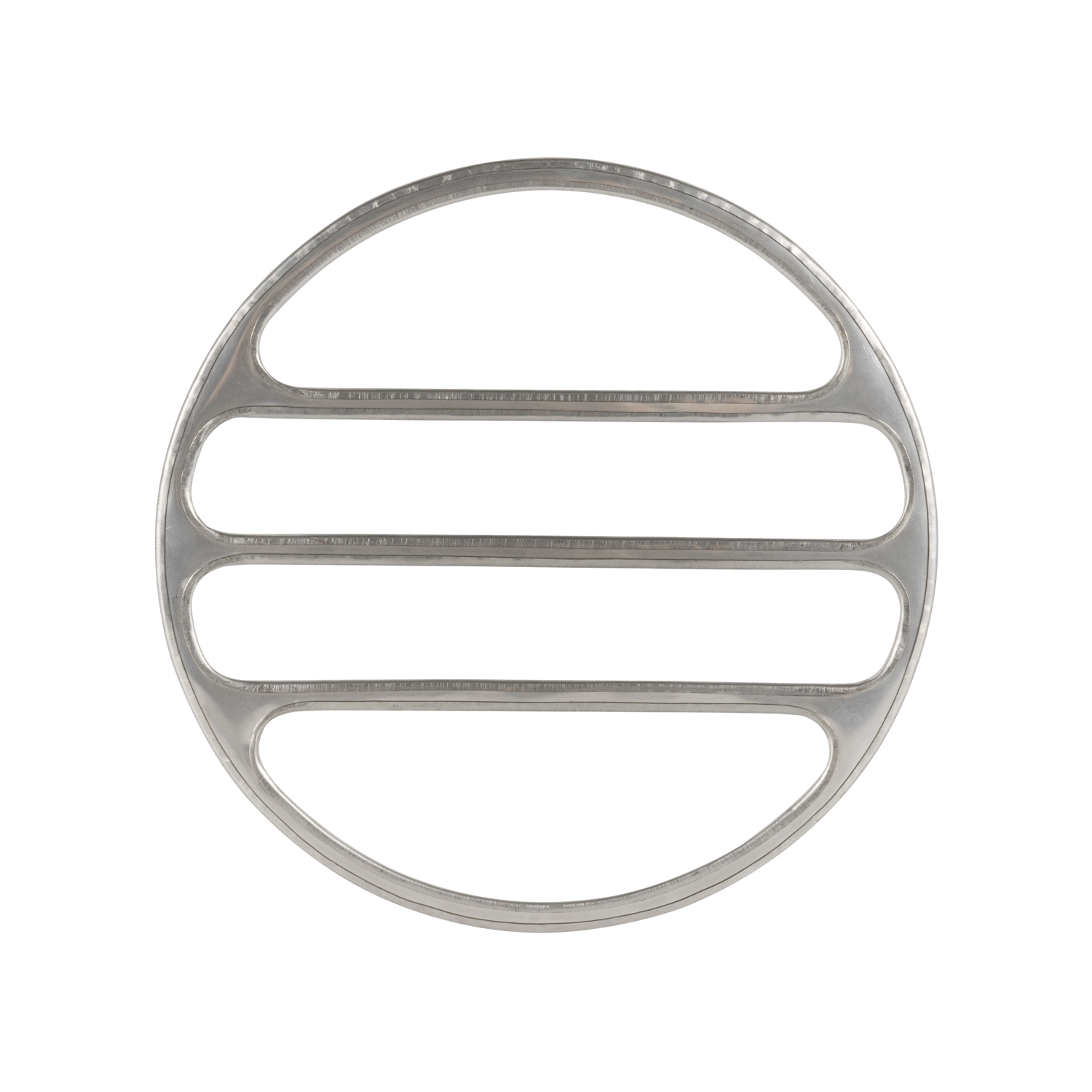
For those with advanced mechanical skills, repairing a head gasket can be done at home. However, DIY repairs come with their own set of challenges. On average, parts for a DIY head gasket repair will cost between $100 and $500. In addition to the parts, you will need specialized tools, which can range from $50 to $500, depending on whether you purchase or rent the necessary equipment.
While a DIY repair can save you on labor costs, it is a highly complex and time-consuming task. Most DIY mechanics spend several days on the repair, as the engine must be thoroughly disassembled and reassembled.
Hiring a professional mechanic for head gasket repair offers several advantages, such as faster turnaround times, guaranteed work, and expertise in handling complex engine issues. Professional head gasket replacement costs typically range from $1,000 to $3,000 for standard vehicles. For high-end or luxury vehicles, the cost could rise from $3,000 to $5,000, including labor and parts.
While professional repairs may seem expensive, they are often the best option if you lack the necessary skills or equipment. Mechanics also provide warranties on their work, which can offer peace of mind knowing that if the problem persists, you have protection.
Pros | Cons |
Potential to save a significant amount of money on labor costs. | Time-consuming and difficult, requiring advanced mechanical knowledge. |
A rewarding learning experience if you have the right skills and tools. | Risk of causing further damage if the repair is done incorrectly. |
Lack of warranty or guarantee on your work. |
If your vehicle has high mileage or has experienced significant engine damage due to the blown head gasket, it may be more cost-effective to replace the car rather than repair the gasket. In cases where the engine block has been warped or cracked, the cost of repairing the engine may exceed the cost of purchasing a new or used vehicle.
While repairing a head gasket might seem expensive, it is usually cheaper than replacing an entire engine or buying a new vehicle. If caught early, the repair costs can be much lower. On the other hand, delaying the repair or continuing to drive with a blown gasket can lead to catastrophic engine failure, which could end up costing thousands of dollars in the long run.
Some vehicle owners opt for head gasket sealers as a temporary fix for minor leaks. These products work by sealing small cracks in the gasket, allowing the vehicle to function for a short period. While sealers can offer a temporary solution, they are not a permanent fix and should not be relied upon for long-term engine health.
Head gasket sealers may be useful in cases where the damage is minimal and you need a quick, inexpensive way to keep your vehicle running. However, it is important to consult a mechanic before using a sealer, as it may not be effective for larger leaks or significant damage.
The use of sealers can sometimes cause additional problems. If the sealer clogs the cooling system or causes blockages elsewhere in the engine, it can result in further damage. It is always best to seek professional advice before using any head gasket sealant.
The cost of head gasket repair varies based on factors like vehicle type, labor, parts, and damage severity. While repairs can be expensive, addressing the issue early can save you from major engine damage later. Whether you choose to repair it yourself or hire a professional, timely action is crucial. Companies like DONHONSIL Gasket offer high-quality products that provide excellent value, ensuring reliable performance and peace of mind for your engine's health.
A: A head gasket seals the space between the engine block and cylinder head, ensuring that coolant, oil, and gases do not mix. It plays a crucial role in engine efficiency and preventing overheating.
A: The cost to repair a head gasket typically ranges from $1,000 to $3,000 for standard vehicles, but it can go up to $5,000 for luxury or high-performance models, depending on labor and parts.
A: Repairing a head gasket is complex and requires advanced mechanical skills. While DIY repairs can save on labor costs, the risks of mistakes can lead to further damage, making professional repair a safer option.
A: Head gasket failure is often caused by engine overheating, excessive pressure, or the natural wear and tear from the high temperatures the gasket is exposed to over time.
A: Timely repair of a blown head gasket can prevent severe engine damage, such as warped components or engine block failure, which would result in much higher repair costs.
A: Some car owners may use head gasket sealers as a temporary fix, but they are not permanent solutions and can sometimes cause further issues. Professional repairs are typically more reliable and long-lasting.


