
Engineered to seal,
The last line of defense against leakage
+86-13566064802

Views: 0 Author: Site Editor Publish Time: 2025-11-09 Origin: Site
Gaskets play a crucial role in many industries, from automotive to household appliances. But how much does a gasket actually cost? The price of a gasket can vary greatly depending on its material, type, and specific use. In this post, we’ll explore the different factors that influence gasket prices and provide a breakdown of what you can expect to pay.
Gaskets are essential for sealing and preventing leaks in various systems, especially in vehicles and industrial machinery. The cost of a gasket depends on its type, material, and intended use. Let’s break down the costs for different gasket types.
Head gaskets are one of the most crucial gaskets in an engine. They seal the cylinder head to the engine block, preventing coolant and oil from mixing. Replacing a head gasket can be expensive, with costs ranging between $400 and $2,500 depending on the vehicle.
Price Range for Head Gaskets
● Audi: $800–$1,500
● BMW: $800–$1,500
● Toyota: $400–$1,000
Factors Affecting Head Gasket Prices
● Material: Multi-layer steel (MLS) gaskets are more durable and expensive than composite gaskets.
● Brand: Luxury and high-performance brands tend to have higher gasket costs.
● Model: Older or less common models can increase labor costs due to difficulty in sourcing parts.
Exhaust gaskets seal the joints between exhaust parts, preventing leaks of harmful gases. These gaskets are vital for maintaining vehicle performance and emissions standards.
Exhaust gaskets are relatively cheaper than head gaskets. They typically cost between $20 and $100, depending on the car model and material used.
Materials Used in Exhaust Gaskets
● Metal: Most common for high-temperature resistance.
● Fiber: Used in less demanding applications, cheaper but less durable.
Automotive gaskets are used in various systems, including the engine, transmission, and cooling system. These gaskets prevent leaks in essential components like oil, coolant, and gas systems.
Price Variation Based on Vehicle Make and Model
● Gasket prices for basic cars like Ford or Nissan can range from $30 to $300, depending on the type.
● Luxury models such as Mercedes-Benz or Audi may see gasket costs go upwards of $500 due to the complexity of the components.
Each of these gasket types plays a crucial role in maintaining vehicle efficiency and longevity. Depending on the vehicle, material, and gasket function, prices will vary significantly.
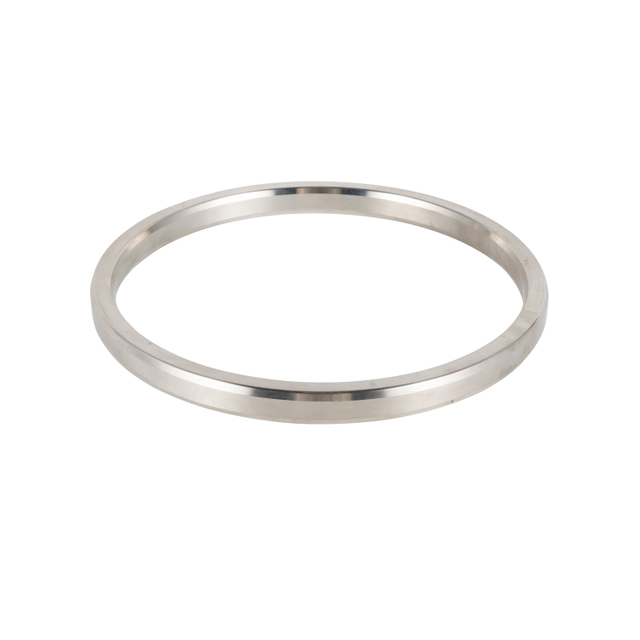
The cost of a gasket can vary greatly depending on several factors. These include the material used, its intended application, and the brand or manufacturer. Let's take a closer look at these factors.
The material of a gasket plays a big role in its cost. Different materials have varying durability, performance, and price points.
Price Differences Between Gasket Materials
● Rubber: Generally the most affordable, used for low-pressure and low-temperature applications. Prices range from $10 to $50.
● Metal: More durable and heat-resistant, typically used in exhaust systems or high-performance engines. Expect to pay $50–$150.
● Composite: A blend of materials, offering a good balance of cost and durability. Prices range from $20 to $100.
● Multi-layer Steel (MLS): These gaskets are made of several layers of steel and elastomer, offering excellent durability and heat resistance. Prices usually range from $100 to $500.
Durability and Performance Implications
● Rubber gaskets are cheaper but wear out faster, making them ideal for less demanding tasks.
● Metal gaskets, while more expensive, offer greater resistance to heat and pressure, making them ideal for high-performance engines.
● MLS gaskets provide top-tier durability and performance, but they come at a higher price due to their complexity and long lifespan.
The type of application for which the gasket is designed also influences its price. Gaskets used in industrial settings can be more expensive than those used in everyday consumer products.
Industrial Gaskets vs. Automotive Gaskets
● Industrial gaskets: Typically designed for high-pressure or high-temperature environments, these gaskets can be costly due to the specialized materials and technology used. Prices range from $100 to several thousand dollars.
● Automotive gaskets: Used in engines, exhaust systems, and other vehicle components, automotive gaskets vary from $20 for simple parts to over $500 for more complex components like head gaskets.
Specialized Gaskets
Some gaskets are designed for very specific, demanding conditions. These gaskets are usually more expensive due to their unique properties.
● High-pressure gaskets: Used in industries like oil and gas, these gaskets are made from durable materials capable of handling extreme pressures, often costing several hundred dollars.
● High-temperature gaskets: Gaskets for systems that deal with extreme temperatures, such as in engines or industrial furnaces, can be priced similarly to high-pressure gaskets.
The brand and manufacturer of a gasket can also impact its price. Gaskets from original equipment manufacturers (OEM) tend to be more expensive than aftermarket options.
● OEM gaskets: These are typically higher in cost due to their brand reputation and quality assurance. They are designed specifically for a vehicle or machine model. Prices range from $50 to over $1,000 depending on the part and vehicle.
● Aftermarket gaskets: Often more affordable, aftermarket gaskets are made by third-party companies. While they can be cheaper, the quality may vary. Prices typically range from $20 to $500.
Example Costs for Popular Car Brands
● Mercedes-Benz: OEM gaskets for high-end models can cost $300 to $1,500.
● Nissan: Aftermarket gaskets for common models can be found for $20 to $200.
Understanding these factors can help you make an informed decision about gasket purchases, whether you're looking for a simple automotive gasket or a specialized industrial option.
Car Brand | Part Costs | Labor Costs | Total Estimated Cost |
Audi | $100 - $500 | $500 - $1,000 | $800 - $1,500 |
BMW | $100 - $500 | $500 - $1,000 | $800 - $1,500 |
Ford | $100 - $500 | $400 - $800 | $500 - $1,200 |
Toyota | $100 - $400 | $400 - $600 | $400 - $1,000 |
Nissan | $100 - $400 | $400 - $600 | $400 - $1,000 |
Tip: To minimize costs, consider getting quotes from multiple mechanics and check if they offer discounts for package deals, which might include a coolant flush or parts replacement as part of the repair.
Replacing a gasket can be expensive, but there are ways to minimize the costs. From regular maintenance to considering DIY repairs, there are strategies to help you save money while ensuring your vehicle stays in good condition.
Regular maintenance is crucial for spotting gasket issues before they turn into costly repairs. By staying on top of routine checks, you can catch early signs of gasket wear, like leaks or overheating, saving yourself a hefty repair bill later.
Routine maintenance, like oil changes and coolant checks, can help identify potential gasket problems early. It's easier (and cheaper) to fix small issues before they escalate into major damage that requires a full gasket replacement.
Costs of Maintaining Your Car vs. High Replacement Costs
● Routine Maintenance: On average, regular maintenance costs around $100–$300 per year, depending on your car.
● Full Gasket Replacement: This can cost $1,000 to $2,500 or more, depending on the vehicle and gasket type. Preventing gasket failure through maintenance can save you thousands in the long run.
If you're handy with tools, replacing a gasket yourself can save a lot of money. However, it's important to weigh the benefits and risks before diving into this repair.
Pros and Cons of Replacing Gaskets Yourself
● Pros:
○ Cost savings: You can save hundreds, even thousands, by avoiding labor costs.
○ Control: You get to choose the parts and materials, which may help you save money.
● Cons:
○ Time-consuming: Gasket replacement is a complex job, requiring hours or even days of work.
○ Risk of damage: If done incorrectly, you could cause further damage to the engine, leading to even higher repair costs.
Potential Savings and Risks of DIY Gasket Repairs
● Savings: You can save up to 50% or more by doing the work yourself. For instance, a head gasket replacement that costs $2,000 could be reduced to $800 if you handle the labor.
● Risks: If you're not experienced, mistakes could cause more expensive damage. Incorrect installation could result in the gasket failing again, costing you even more for repairs.
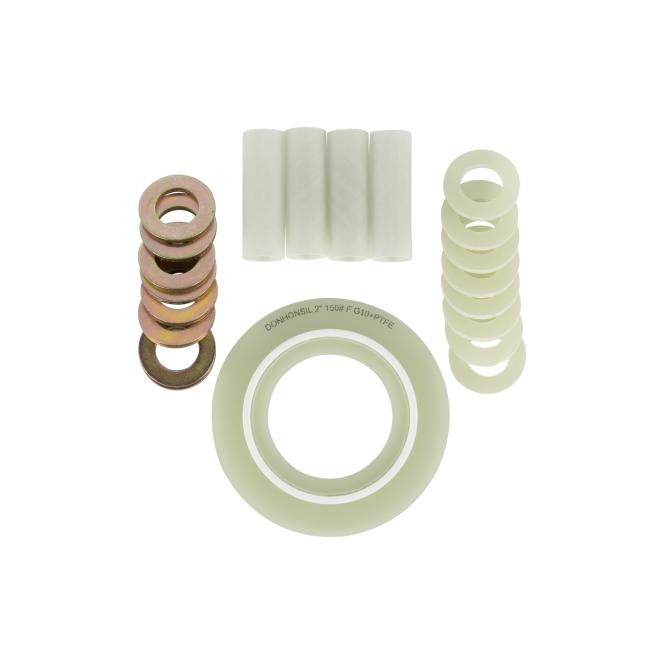
Gaskets are crucial components, but they can fail due to various reasons. Understanding common causes and the consequences of delaying repairs can help save money and avoid further damage.
Gasket failures in cars and machinery can happen for several reasons. Some are preventable, while others occur due to natural wear and tear.
Common Reasons for Gasket Failure
● Overheating: Overheating causes the gasket to warp or burn out, leading to leaks. This is one of the most common reasons for gasket failure, especially in head gaskets.
● Poor Installation: Improperly installed gaskets can cause them to fail prematurely. This includes incorrect torqueing of bolts or not cleaning surfaces before installation.
● Age and Wear: Over time, gaskets naturally degrade due to constant exposure to heat, pressure, and fluids.
Impact on the Cost of Repairs or Replacement
● Overheating and Poor Installation: If the failure is due to these causes, it may lead to more extensive engine damage. Repair costs can easily rise from $1,000 to $5,000, depending on the severity.
● Natural Wear: Even with good maintenance, gaskets will eventually fail. Replacement costs typically range from $100 to $1,500, depending on the gasket type and labor involved.
Ignoring gasket problems can seem like a way to save money, but it often leads to even higher costs later on.
The Cost of Ignoring Gasket Problems
● Engine Damage: A leaking head gasket or other gasket failure can cause coolant or oil to mix, leading to severe engine damage. This can cost anywhere from $2,000 to $6,000 for repair or replacement.
● Additional Repairs: If left unaddressed, gasket issues can lead to damage in other components, like the water pump or cylinder heads. This could add hundreds or thousands of dollars to the cost of repairs.
Gasket sealers can be a tempting option for a quick fix, but they come with limitations. Let’s dive into when gasket sealers are useful and the potential drawbacks of relying on them long-term.
Gasket sealers are designed to temporarily stop leaks in gaskets. They are typically used in situations where replacing the gasket immediately isn’t feasible or necessary.
● Quick Solution: Gasket sealers can seal small leaks or cracks, offering a temporary solution to prevent fluid leaks until a more permanent repair is done.
● Easy Application: Sealers are easy to apply and require no special tools, making them a convenient option for DIY repairs.
● Cost-Effective: For minor leaks, a gasket sealer can be a cheaper alternative to a full gasket replacement, with costs ranging from $10 to $30 per can.
Option | Cost Range | Duration | Effectiveness |
Gasket Sealer | $10 - $30 | Temporary (weeks to months) | Effective for minor leaks |
Full Gasket Replacement | $100 - $2,500+ | Permanent | Lasts as long as the vehicle |
While gasket sealers are much cheaper, they only offer a short-term fix. In many cases, a complete gasket replacement is necessary for a permanent solution.
Although gasket sealers can be helpful in the short term, they come with several important limitations.
Why They May Not Be a Permanent Solution
● Temporary Fix: Gasket sealers are not meant to last long. They are best used as a temporary measure while waiting for a full gasket replacement.
● Wear and Tear: Over time, the sealer may degrade due to heat, pressure, and exposure to oils and coolants. This means the leak could return, sometimes more severe than before.
● Additional Damage: If used incorrectly or overused, gasket sealers could cause damage to engine components, making the actual repair more complicated and expensive.
Costs of Relying on Gasket Sealers Long-Term
Relying on a sealer could delay necessary repairs, potentially leading to more extensive engine damage. Eventually, you'll need to pay for a full gasket replacement, which can cost much more than the initial repair would have. Moreover, you may end up replacing more parts if the underlying issue isn’t fixed.
Gaskets come in various types, each with different price ranges, typically depending on material, application, and vehicle or machinery brand. Understanding these factors helps in managing gasket-related repairs and making informed decisions. Regular maintenance can prevent costly repairs, while evaluating the need for full replacements can save money. For quality gaskets and reliable service, DONHONSIL offers exceptional products that provide great value, ensuring long-term efficiency and cost savings for customers.
A: The cost of a gasket varies depending on its type, material, and application. Gaskets can range from $10 to $2,500 or more for complex systems like head gaskets.
A: Gasket prices depend on the material (rubber, metal, MLS), application (automotive, industrial), and brand. High-performance or OEM gaskets tend to be more expensive.
A: Gasket sealers provide a temporary fix for leaks but may not be a permanent solution. They can save costs in the short term but should be replaced eventually for lasting results.


