
Engineered to seal,
The last line of defense against leakage
+86-13566064802

Views: 0 Author: Site Editor Publish Time: 2026-02-10 Origin: Site
Have you ever wondered how industrial systems stay leak-free under extreme conditions? Spiral wound gaskets are essential for achieving reliable seals in high-pressure and high-temperature environments. Understanding how these gaskets work is crucial for anyone involved in industries like oil and gas, chemicals, or power generation. In this article, we’ll explore the mechanics behind spiral wound gaskets, their advantages, and how to select and maintain them effectively.
Spiral wound gaskets are vital components in various industrial applications. They provide reliable sealing solutions in environments where high pressure and temperature are common. These gaskets combine metal and non-metal materials, making them durable and effective.
A spiral wound gasket is a type of mechanical seal made from alternating layers of metal and a soft filler material. The metal layers are typically stainless steel, while the filler can be graphite, PTFE, or mica. This unique construction allows the gasket to adapt to flange irregularities, ensuring a tight seal.
The main components of a spiral wound gasket include:
● Outer Ring: This is usually made of carbon steel. It helps center the gasket within the flange and provides additional strength.
● Inner Ring: Often made from the same material as the winding strip, it prevents the windings from buckling and ensures better sealing performance.
● Winding Strip: The heart of the gasket, this metal strip is wound in a spiral pattern. It provides the necessary strength and resilience to withstand pressure.
● Filler Material: This soft material fills the gaps between the winding strips. It enhances the gasket's sealing capabilities and allows it to compress easily.
Spiral wound gaskets have been around since 1912, evolving significantly over the years. Originally, these gaskets were designed to replace asbestos gaskets, which were phased out due to health concerns. As industries began to prioritize safety and efficiency, spiral wound gaskets gained popularity for their versatility and reliability. By the 1990s, they became a standard choice in many sectors, including oil and gas, chemical processing, and power generation.
The ASME B16.20 standard is crucial for ensuring the quality and compatibility of spiral wound gaskets. This standard outlines the specifications for metallic gaskets used in pipe flanges, including dimensions, materials, and performance criteria. Compliance with ASME B16.20 helps manufacturers produce gaskets that meet industry requirements, ensuring they perform reliably in demanding applications.
Component | Material Options | Function |
Outer Ring | Carbon Steel, Stainless Steel | Centers the gasket and adds strength |
Inner Ring | Stainless Steel | Prevents buckling of windings |
Winding Strip | Stainless Steel | Provides strength and sealing capability |
Filler Material | Graphite, PTFE, Mica | Enhances sealing and compressibility |
Understanding these aspects of spiral wound gaskets is essential for selecting the right gasket for your application. As industries continue to evolve, these gaskets will remain a key element in ensuring safety and efficiency in operations.
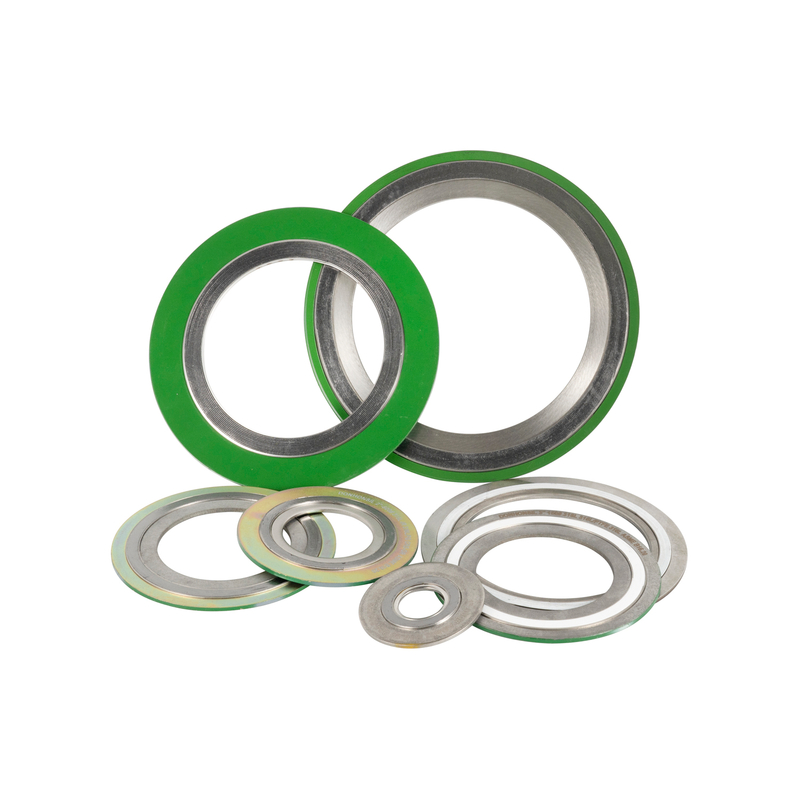
Spiral wound gaskets are fascinating in how they create effective seals under challenging conditions. Their unique construction allows them to adapt to various pressures and temperatures, ensuring reliability in critical applications. Let’s break down how these gaskets function.
The sealing mechanism of a spiral wound gasket relies on its layered structure. The metallic winding provides strength, while the filler material ensures a tight seal. Here’s how it works:
● Metallic Winding: The spiral metal strips form a V-shape that enhances sealing by compressing against the flange surfaces.
● Filler Material: This soft material fills gaps between the windings, allowing the gasket to conform to imperfections in the flange.
● Compression and Recovery: When compressed, the gasket deforms slightly, creating a seal that prevents leaks. Upon release, it recovers its shape, maintaining the integrity of the seal.
During the initial compression, several key actions take place:
● The gasket is placed between two flanges and bolts are tightened.
● The V-shaped metal strips interact with the filler material, creating a tight seal as they compress against each other.
● Achieving this tight seal is crucial; it prevents leakage and ensures the gasket performs effectively under pressure.
Creep relaxation refers to the gradual deformation of materials under constant pressure. Here’s how it impacts gasket performance:
● Over time, the gasket may experience a reduction in sealing force due to this relaxation.
● Materials like graphite or PTFE can exhibit varying degrees of creep, affecting their long-term effectiveness.
● Understanding this behavior is vital for selecting the right gasket material for specific applications.
Resilience plays a significant role in maintaining a reliable seal. Here’s why it matters:
● A resilient gasket can recover from compression and thermal cycling, ensuring it remains effective over time.
● Materials used in spiral wound gaskets, such as stainless steel and high-quality fillers, enhance this resilience.
● This ability to bounce back from deformation is what allows spiral wound gaskets to excel in demanding environments.
Stage | Key Actions | Importance |
Initial Sealing Stage | Compression occurs, creating a tight seal. | Prevents leaks and maintains pressure. |
Creep Relaxation Stage | Gradual deformation under constant pressure. | Affects long-term sealing effectiveness. |
Resilience and Recovery | Gasket recovers from compression and cycling. | Ensures durability and reliability. |
Understanding these mechanics helps in selecting the right spiral wound gasket for your specific needs. Whether in oil and gas, chemical processing, or power generation, knowing how these gaskets work can make all the difference in operational efficiency.
Spiral wound gaskets are widely recognized for their exceptional performance in various industrial applications. Their unique construction provides several advantages, making them a go-to choice for many engineers and maintenance teams. Let’s explore the key benefits of using spiral wound gaskets.
One of the standout features of spiral wound gaskets is their ability to withstand extreme conditions.
● Temperature Range: They can operate effectively at temperatures up to 1000°F (538°C), depending on the materials used.
● Pressure Tolerance: These gaskets handle pressures exceeding 6000 psi, making them suitable for high-stress environments like oil and gas pipelines.
This resistance ensures they maintain integrity and performance, even in the most demanding applications.
Spiral wound gaskets are designed to resist various corrosive substances.
● Material Choices: The use of materials like stainless steel and graphite enhances their resistance to chemicals and corrosion.
● Versatile Applications: This compatibility makes them ideal for industries such as chemical processing, where exposure to harsh chemicals is common.
Their ability to withstand corrosive environments prolongs service life and reduces the need for replacements.
Durability is a significant advantage of spiral wound gaskets.
● Robust Construction: The combination of metal and filler materials provides strength and flexibility, allowing them to endure wear and tear.
● Long Lifespan: Many users report service lives of over 10 years, depending on operating conditions.
This durability translates to fewer replacements and less downtime, enhancing overall operational efficiency.
Spiral wound gaskets are incredibly versatile, making them suitable for a wide range of applications.
● Industries Served: They are used in oil and gas, power generation, chemical processing, and food and beverage sectors.
● Customizable Designs: These gaskets can be tailored to fit specific flange types and sizes, ensuring compatibility across different systems.
Their adaptability means they can effectively meet diverse sealing needs.
Investing in spiral wound gaskets can lead to significant cost savings.
● Lower Maintenance Needs: Their durability and reliability reduce the frequency of maintenance checks and replacements.
● Minimized Downtime: Fewer failures mean less downtime, allowing for smoother operations and increased productivity.
This cost-effectiveness makes spiral wound gaskets an attractive option for businesses looking to optimize their operations.
Advantage | Description |
High-Temperature Resistance | Operates up to 1000°F (538°C) |
High-Pressure Resistance | Handles pressures over 6000 psi |
Corrosion Resistance | Compatible with various chemicals |
Durability | Service life often exceeds 10 years |
Versatility | Suitable for multiple industries |
Cost-Effectiveness | Reduces maintenance costs and downtime |
These advantages showcase why spiral wound gaskets are a preferred choice in many industries. Their ability to perform reliably under challenging conditions makes them invaluable for ensuring safety and efficiency in operations.
Spiral wound gaskets are integral to many industries, providing reliable sealing solutions in challenging environments. Their unique design and material properties make them suitable for various applications. Let’s explore the key industries that utilize spiral wound gaskets.
In the oil and gas sector, spiral wound gaskets play a critical role in ensuring safety and efficiency.
● Sealing Pipelines: They prevent leaks in pipelines that transport crude oil and natural gas, which are often under high pressure.
● Valves and Flanges: Used in valves, these gaskets maintain integrity under fluctuating pressures and temperatures.
This reliability is essential for minimizing environmental risks and ensuring operational continuity.
The chemical industry relies heavily on spiral wound gaskets for various applications.
● Reactors: These gaskets seal reactors where chemical reactions occur, preventing leaks of hazardous materials.
● Heat Exchangers: They are also used in heat exchangers to maintain efficiency and safety, especially in corrosive environments.
Their ability to withstand aggressive chemicals makes them a preferred choice in this sector.
In power generation, spiral wound gaskets are vital for maintaining the efficiency of energy systems.
● Turbines: They are used in turbines, where high pressures and temperatures are common.
● Boilers: In boilers, these gaskets ensure a tight seal, preventing steam and water leaks.
This application is crucial for maximizing energy output and minimizing operational risks.
Ensuring hygiene and safety is paramount in the pharmaceutical and food sectors.
● Hygienic Sealing: Spiral wound gaskets are used in equipment where cleanliness is critical, preventing contamination.
● Regulatory Compliance: Their construction meets stringent regulatory standards, making them suitable for sensitive applications.
This capability ensures that products are safe for consumption and comply with health regulations.
The mining and metals industry often operates in harsh environments, making durable sealing solutions essential.
● Extreme Conditions: Spiral wound gaskets are designed to withstand extreme temperatures and corrosive substances found in mining operations.
● Equipment Sealing: They are used in various equipment, from crushers to conveyors, ensuring reliable performance.
This robustness helps maintain operational efficiency in challenging conditions.
Industry | Key Applications |
Oil and Gas | Sealing pipelines, valves, and flanges |
Chemical | Reactors and heat exchangers |
Power Generation | Turbines and boilers |
Pharmaceutical and Food | Hygienic sealing and regulatory compliance |
Mining and Metals | Equipment sealing in harsh environments |
Spiral wound gaskets are indispensable across these industries. Their versatility and reliability make them a top choice for demanding applications, ensuring safety and efficiency in operations.
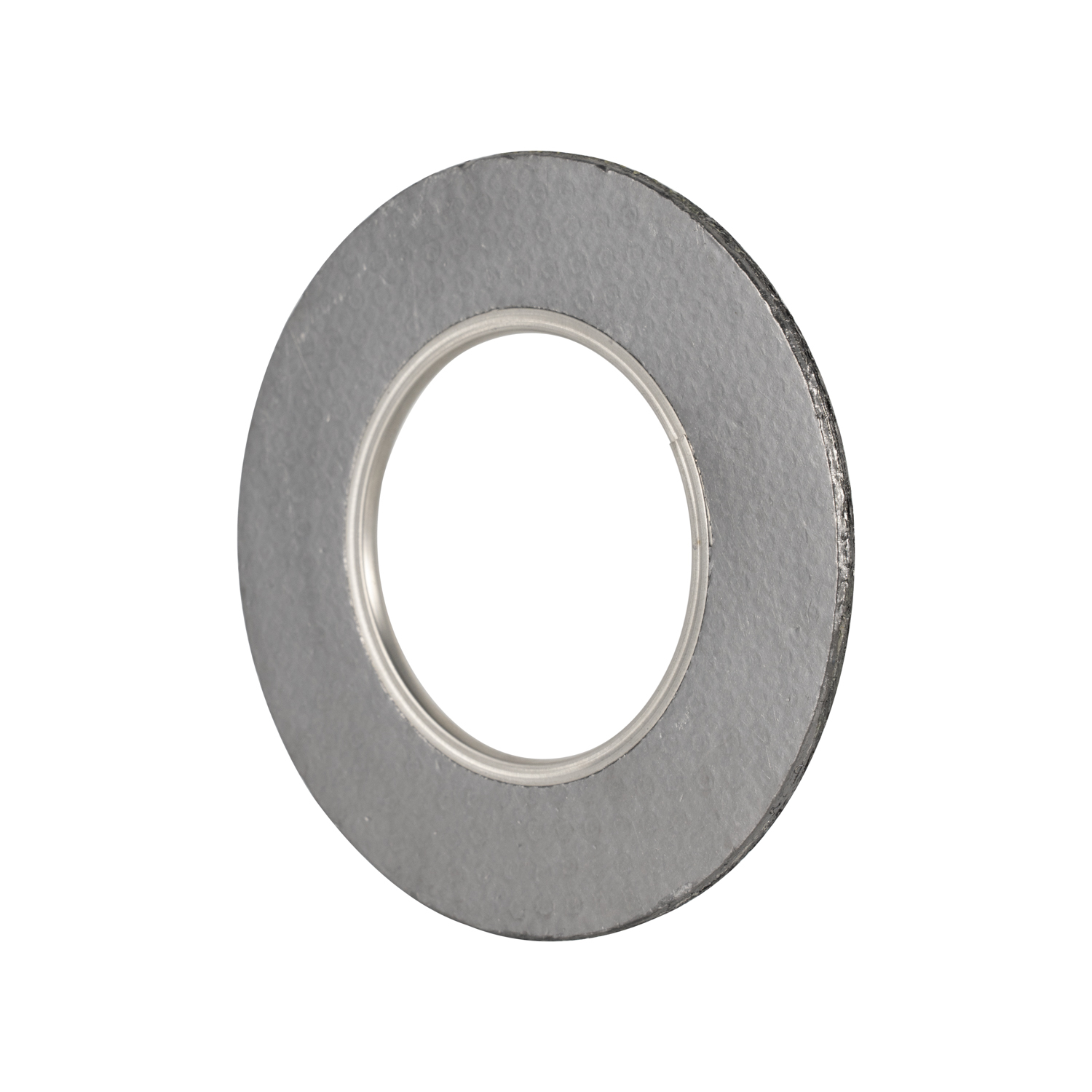
Choosing the right spiral wound gasket is crucial for ensuring optimal performance in your applications. Several factors come into play when making this decision. Here’s a breakdown of what to consider.
Understanding the operating conditions is essential.
● Temperature Limits: Spiral wound gaskets can handle a wide range of temperatures, often up to 1000°F (538°C) or more, depending on materials.
● Pressure Ratings: Ensure the gasket can withstand the specific pressure levels in your system, which can exceed 6000 psi in some cases.
These ratings help prevent failures and leaks in high-stress environments.
The gasket must be compatible with the fluids it will encounter.
● Material Selection: Different fillers, like graphite or PTFE, offer varying levels of chemical resistance.
● Process Fluids: Identify the chemicals involved in your process to avoid degradation or failure of the gasket.
This compatibility is vital for maintaining safety and efficiency in your operations.
The characteristics of the flanges play a significant role in gasket performance.
● Surface Finish: A smoother flange surface can improve sealing effectiveness, while rough surfaces may require a thicker gasket.
● Dimensions: Ensure the gasket fits the flange dimensions precisely to avoid leaks.
Taking these factors into account can enhance the gasket's sealing capabilities.
Consider the critical nature of your application.
● Critical Applications: For high-stakes environments, like nuclear power plants, the right gasket can prevent catastrophic failures.
● Bolt Load: Ensure there is sufficient bolt load available to compress the gasket adequately.
This consideration helps maintain a reliable seal under varying conditions.
Different filler materials serve specific purposes.
● Graphite: Excellent for high-temperature applications and offers good chemical resistance.
● PTFE: Ideal for aggressive chemicals, providing a non-stick surface that resists corrosion.
● Mica: Suitable for high-temperature environments where chemical exposure is minimal.
Understanding the properties of these materials can guide you in selecting the right gasket for your needs.
Factor | Considerations |
Temperature and Pressure | Ensure ratings match operating conditions |
Chemical Compatibility | Match gasket materials to process fluids |
Flange Surface Finish | Choose appropriate surface finish for sealing |
Application Criticality | Assess the importance of the application |
Common Filler Materials | Graphite, PTFE, mica—select based on requirements |
Selecting the right spiral wound gasket involves careful consideration of these factors. By understanding the specific needs of your application, you can ensure optimal performance and reliability in your sealing solutions.
Understanding how spiral wound gaskets work is crucial for effective sealing solutions. Choosing the right gasket for specific applications ensures reliability and performance. For optimal results, consult experts or refer to manufacturer guidelines. At Dongheng Sealing, our products offer unique advantages, such as high durability and chemical resistance, providing exceptional value for your sealing needs. Trust us to deliver quality solutions tailored to your requirements.
A: A spiral wound gasket is a sealing device made from alternating layers of metal and filler material, designed to provide reliable seals in various applications.
A: A spiral wound gasket works by compressing against flange surfaces, creating a tight seal that prevents leaks under high pressure and temperature.
A: Choosing a spiral wound gasket ensures durability and chemical resistance, making it ideal for demanding industrial applications.
A: The advantages include high-temperature resistance, corrosion resistance, and versatility across multiple industries.
A: To install a spiral wound gasket, ensure proper flange alignment and use the correct bolt load to achieve an effective seal.
A: Performance can be affected by temperature, pressure ratings, and the chemical compatibility of the process fluids involved.


