
Engineered to seal,
The last line of defense against leakage
+86-13566064802

Views: 0 Author: Site Editor Publish Time: 2026-03-05 Origin: Site
Is your gasket ready to withstand extreme heat and pressure? Spiral Wound Gaskets are crucial in high-temperature heat transfer systems, where reliability and performance are paramount. In this article, we’ll explore how these gaskets are designed for demanding applications. You’ll learn about the materials, benefits, and best practices for using Spiral Wound Gaskets in high-temperature environments.
Spiral wound gaskets are engineered for extreme conditions. These gaskets combine the strength of metallic materials with the flexibility of non-metallic fillers, creating a versatile and durable sealing solution. The core of a spiral wound gasket is composed of a metallic winding, usually made from stainless steel, Monel, or other alloys designed for resistance to corrosion and high temperatures. This metal winding provides the gasket with mechanical strength and structural integrity.
In addition to the metallic core, the gasket includes non-metallic fillers such as graphite, PTFE, or mica. These materials help form a flexible sealing surface that can adapt to irregularities on the flange faces, ensuring a leak-proof seal.
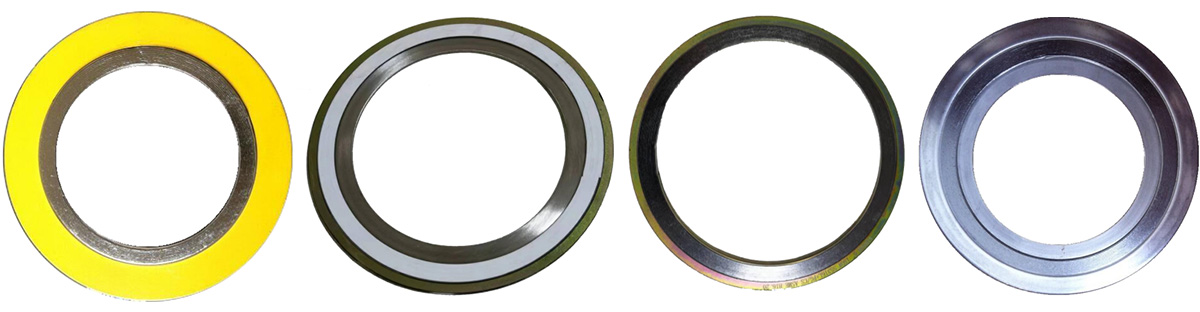
Common Materials Used:
● Stainless Steel: Corrosion-resistant, high-strength, suitable for a wide range of applications.
● Monel: Excellent for highly corrosive environments.
● Graphite: Ideal for high-temperature applications, resists oxidation.
● PTFE: Used for chemical resistance and handling aggressive media.
● Mica: Typically used in non-oxidizing environments, offers thermal insulation.
Spiral wound gaskets are specifically designed to maintain their sealing properties under both high pressure and high temperatures. The unique spiral structure allows the gasket to compress evenly across the flange surface, filling any surface irregularities to create a tight, leak-proof seal.
In high-temperature applications, this adaptability becomes crucial. The gasket must be able to handle significant thermal expansion and contraction, which is common in heat transfer systems like heat exchangers and steam piping. The non-metallic fillers, such as graphite or PTFE, provide a thermal buffer, absorbing some of the thermal shock and minimizing the impact of rapid temperature fluctuations.
Additionally, the metallic core maintains the gasket’s structural integrity under thermal stress. Materials like Inconel or 316L stainless steel are commonly used to ensure that the gasket holds its shape and continues to perform effectively even at temperatures exceeding 850ºF (454ºC).
For high-temperature applications, graphite is one of the most widely used fillers due to its ability to withstand temperatures up to 850°F (454°C). However, it is important to note that graphite can oxidize at temperatures above 850°F, compromising its performance. For systems that exceed this threshold, PTFE (Polytetrafluoroethylene) is often used instead. PTFE is chemically resistant and can handle temperatures up to 500°F (260°C), making it ideal for environments where chemical interactions are a concern.
While both graphite and PTFE offer excellent sealing characteristics, they each have limitations depending on the environmental factors. For instance:
● Graphite: Excellent for high-temperature environments, but susceptible to oxidation and loss of mass.
● PTFE: Ideal for chemical resistance but limited to lower operating temperatures than graphite.
Key Filler Materials:
Material | Max Temperature | Advantages | Limitations |
Graphite | Up to 850°F (454°C) | Excellent high-temperature resistance | Oxidizes above 850°F, volume loss |
PTFE | Up to 500°F (260°C) | High chemical resistance, flexible | Limited to lower temperatures |
Mica | Up to 1000°F (537°C) | Resistant to high temperature and pressure | Not suitable for sealing, used more for insulation |
The metallic core of a spiral wound gasket plays a significant role in its performance at high temperatures. To ensure the gasket can withstand extreme thermal conditions and high pressures, durable and temperature-resistant metal alloys are essential.
One of the most commonly used metals is 316L stainless steel, which offers excellent corrosion resistance and strength in high-temperature environments. Another preferred alloy is Inconel, which is known for its resilience to oxidation at extremely high temperatures, making it ideal for systems that operate in environments over 1000°F (537°C).
In addition to these alloys, other materials such as Monel and Hastelloy are also used depending on the specific requirements of the system. These alloys provide mechanical stability and resistance to both high temperatures and aggressive media.
Common Metal Alloys in Spiral Wound Gaskets:
Alloy | Temperature Resistance | Key Advantages | Ideal Applications |
316L Stainless Steel | Up to 1500°F (815°C) | Excellent corrosion resistance and durability | Power plants, chemical processing |
Inconel | Up to 2200°F (1204°C) | High oxidation resistance at elevated temperatures | Gas turbines, heat exchangers, aerospace |
Monel | Up to 1600°F (871°C) | Strong resistance to corrosive environments | Marine applications, petrochemical industries |
Hastelloy | Up to 2200°F (1204°C) | Exceptional resistance to high heat and corrosion | High-performance chemical processing |
In heat exchangers and steam systems, where temperature fluctuations and high pressures are common, spiral wound gaskets provide the necessary sealing performance. These systems often deal with extreme temperature gradients, from extremely hot fluids to cold ones, causing the flanges to expand and contract. Spiral wound gaskets are ideal for these environments because they can accommodate thermal cycling while maintaining a reliable seal.
The flexibility and compression recovery of spiral wound gaskets ensure that even when subjected to high-pressure steam and high temperatures, the gasket remains intact and effectively prevents leaks. The metallic core, combined with non-metallic fillers like graphite, helps to withstand thermal shock and provide a tight seal.
Key Benefits:
● Reliable sealing under pressure and temperature changes.
● Adaptability to flange imperfections.
● Long-term performance under high thermal cycling.
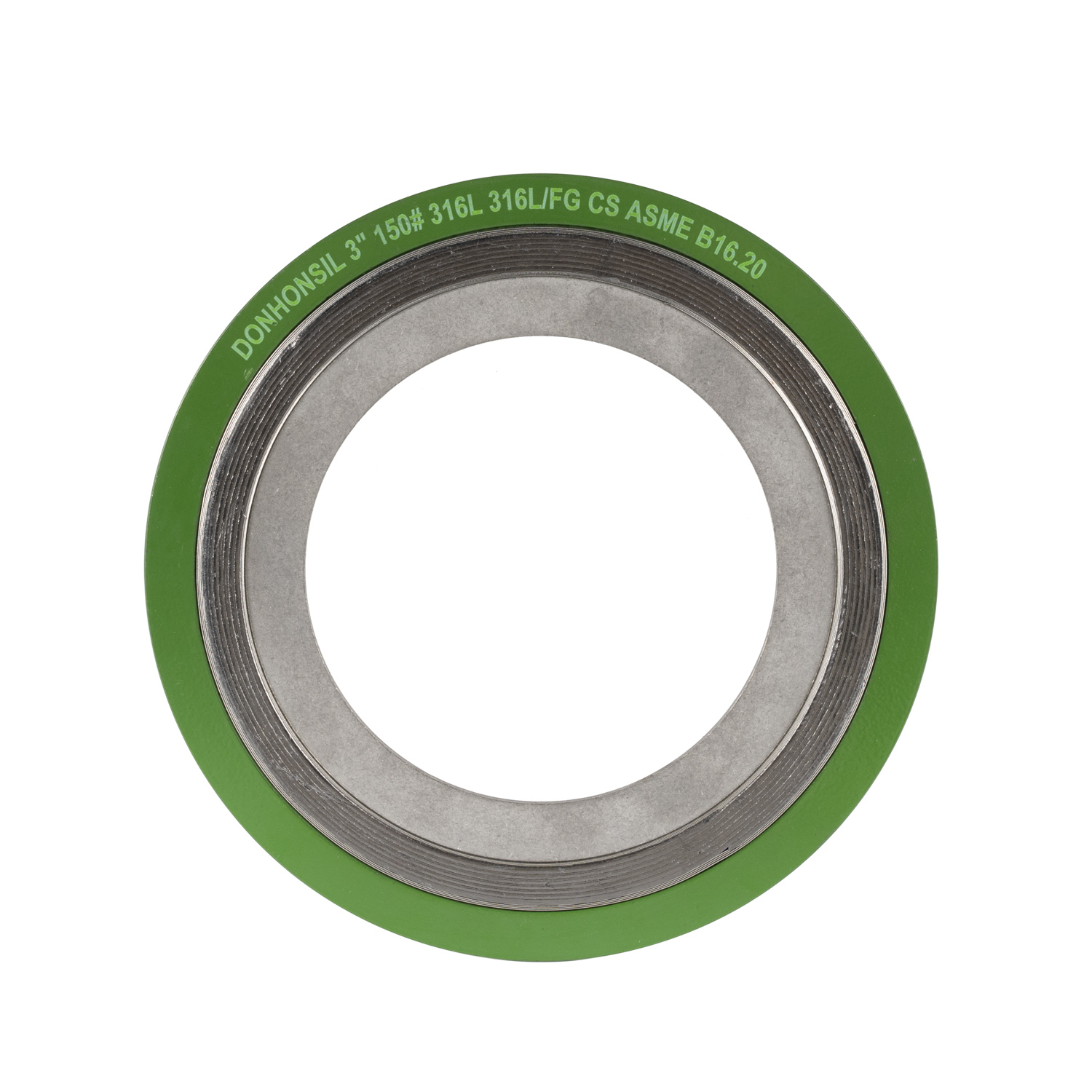
Molten salt has gained popularity as a heat transfer fluid in solar power systems due to its ability to efficiently store and transfer thermal energy at high temperatures, often exceeding 1000°F (537°C). These systems are characterized by their extreme operating conditions, including high thermal stress and the presence of aggressive, corrosive media.
Spiral wound gaskets, particularly those with fillers like PTFE or mica, are specifically designed to handle the oxidizing nature of molten salts. The resilience of spiral wound gaskets ensures that they can perform under such extreme conditions, preventing leaks and providing reliable sealing between flanges in these high-temperature systems.
Challenges & Considerations:
Challenge | Solution | Material Recommendation |
High-temperature exposure | Use gaskets that can withstand extreme heat | Graphite or mica fillers |
Aggressive fluid chemistry | Select materials resistant to oxidation and chemicals | PTFE or Inconel |
Pressure fluctuations | Spiral wound gaskets' flexibility and recovery | Graphite and metal alloys |
In both power plants and petrochemical systems, high temperatures and high-pressure conditions are the norm. Here, spiral wound gaskets play a vital role in sealing flanged joints under demanding conditions. These systems require gaskets that can endure harsh environments, such as steam systems in power generation or chemical reactors in petrochemical plants.
Spiral wound gaskets excel in these applications because they offer durability and flexibility. Their ability to handle thermal cycling ensures they remain intact despite constant expansion and contraction. The high-pressure sealing capabilities of these gaskets make them crucial in avoiding leaks that could lead to system failures or safety hazards.
Applications in Power Plants & Refineries:
● Power plants: Used in boilers, turbines, and heat exchangers.
● Petrochemical systems: Applied in reactors, distillation columns, and heat exchangers.
Spiral wound gaskets are designed to handle the demanding conditions of high-temperature heat transfer systems, particularly when faced with extreme temperature fluctuations and pressure variations. These systems often experience rapid heating and cooling cycles, which can lead to significant thermal expansion and contraction.
The metallic core of the gasket allows it to retain its structural integrity during these temperature changes, while the non-metallic fillers provide flexibility. This combination of strength and adaptability ensures that the gasket can compress and recover efficiently, keeping the seal intact. This is crucial in preventing leaks and maintaining the overall efficiency of the system.
Key Benefits in Thermal Cycling:
● Resilience: Spiral wound gaskets adapt to thermal expansion and fluctuating pressures without losing sealing effectiveness.
● Compression Recovery: The design allows for consistent compression and recovery during heating and cooling cycles, preventing failure.
● Long-Term Sealing Performance: The gasket remains effective throughout the system's operational lifespan, despite repeated thermal cycling.
In high-temperature environments, gaskets are exposed not only to intense heat but also to aggressive chemicals and corrosive substances.
Graphite and PTFE are two materials commonly used in spiral wound gaskets for their exceptional chemical resistance. Graphite, often used as a filler material, is highly resistant to corrosion and remains stable in the face of both oxidizing and reducing chemicals. On the other hand, PTFE is chemically inert and can resist a wide range of acids, bases, and solvents, making it suitable for extremely corrosive environments.
The ability of spiral wound gaskets to resist chemical damage ensures that the sealing performance remains reliable and long-lasting even in aggressive environments.
Advantages of Chemical Resistance:
Material | Resistance | Ideal Use |
Graphite | Resists oxidation and most chemicals | Used in high-temperature systems like heat exchangers |
PTFE | Resists a wide range of acids and solvents | Ideal for chemical reactors and highly corrosive environments |
Mica | Provides thermal insulation, not primarily for sealing | Used in non-oxidizing applications |
Spiral wound gaskets are not only known for their superior performance under extreme conditions, but also for their exceptional durability and long operational life. This longevity significantly reduces maintenance costs by extending the replacement cycle of the gaskets. Unlike other gasket types, spiral wound gaskets maintain their integrity under constant thermal and pressure fluctuations, which reduces the need for frequent replacements.
This extended lifespan contributes to cost savings in high-temperature heat transfer systems. Fewer gasket replacements mean lower maintenance and downtime, which results in greater overall system efficiency.
Longevity Benefits:
● Reduced Maintenance: Fewer gasket replacements and lower overall maintenance costs.
● Increased System Efficiency: Less downtime and fewer leaks lead to improved system performance.
● Improved Safety: Durable gaskets help maintain the integrity of the system, reducing the risk of failures.
Proper installation is key to ensuring the optimal performance of spiral wound gaskets in high-temperature heat transfer systems. Incorrect installation can lead to gasket failure, leaks, and costly downtime. One of the most important factors in installation is achieving proper alignment of the gasket within the flange. Misalignment can create uneven compression, causing leaks or damage to the gasket surface.
Equally important is applying the correct torque settings during installation. Over-tightening or under-tightening bolts can cause deformation of the gasket, affecting its ability to form a proper seal.
Key Installation Steps:
● Ensure proper alignment of the gasket within the flange to prevent uneven compression.
● Apply the correct torque settings to prevent over-compression or under-tightening.
● Use a torque wrench and follow a recommended tightening sequence for even pressure distribution.
Regular inspections are crucial to extending the life of spiral wound gaskets and ensuring that they continue to perform effectively in high-temperature systems. During an inspection, look for signs of deformation, cracking, or wear that could affect the gasket’s sealing ability. Even small damage can lead to leaks, resulting in system inefficiency and potential safety risks.
Inspection Checklist:
Inspection Area | What to Look For | When to Replace |
Gasket Surface | Cracks, cuts, or deformation | When visible damage or wear occurs |
Bolt Tightness | Looseness or over-tightening | If there’s uneven pressure distribution |
Flange Condition | Surface irregularities, pitting, or rust | If the flange is damaged or corroded |
Even experienced technicians can make mistakes during gasket installation that can compromise the integrity of the seal. One of the most common mistakes is over-compressing the gasket. Over-tightening can lead to permanent deformation, reducing the gasket's ability to return to its original shape and compromising its sealing capability.
Another mistake to avoid is reusing old gaskets. Spiral wound gaskets lose their elasticity after compression, and reusing them can lead to incomplete sealing or gasket failure. Ensure that only new, undamaged gaskets are installed in systems to prevent leaks and system inefficiencies.
Lastly, damaged flange surfaces can cause poor gasket performance. Flanges that are scratched, pitted, or corroded will prevent the gasket from forming an even seal, leading to leaks and system failure. Always inspect and repair the flange before installing a new gasket.
The Application-Specific Design of Spiral Wound Gasket for High-Temperature Heat Transfer Systems highlights the critical role these gaskets play in demanding environments. DONHONSIL specializes in providing these high-performance gaskets, offering tailored solutions for industries requiring reliable, long-lasting sealing systems.
A: A spiral wound gasket is a sealing component made from alternating layers of metal and non-metal materials, providing flexibility and strength to withstand extreme pressure and temperature conditions.
A: Spiral wound gaskets excel in high-temperature heat transfer systems by compressing and recovering under extreme temperature fluctuations, maintaining a reliable seal despite thermal cycling.
A: Graphite, PTFE, and metals like 316L stainless steel and Inconel are commonly used to ensure spatial wound gaskets can withstand heat and chemical exposure.
A: Spiral wound gaskets offer reliable sealing for heat exchangers and steam systems, adapting to pressure and temperature fluctuations while preventing leaks in high-temperature environments.
A: Regular inspection is essential for spiral wound gaskets. Replace them if there is any visible damage, deformation, or if they fail to form a reliable seal during pressure tests.


