
Engineered to seal,
The last line of defense against leakage
+86-13566064802

Views: 0 Author: Site Editor Publish Time: 2025-12-12 Origin: Site
Spiral Wound Gaskets (SWGs) play a crucial role in industrial sealing systems. Their ability to perform under extreme pressure and temperature makes them indispensable in many industries.
In this article, we will explore the construction, function, and advantages of SWGs. You’ll also learn about their applications and challenges, helping you understand why they are essential for industrial operations.
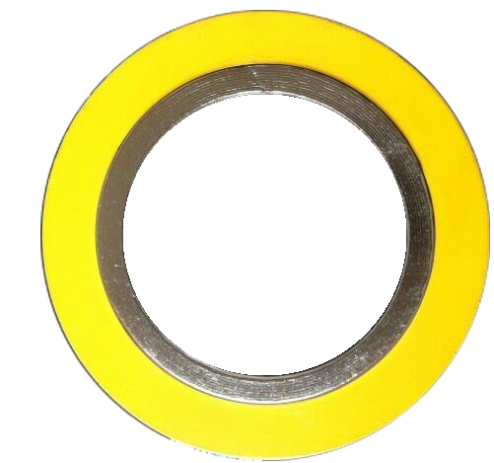
A Spiral Wound Gasket (SWG) is a semi-metallic sealing element composed of alternating metal and non-metal materials. It typically features a spirally wound V-shaped metal strip, such as stainless steel, and a soft, compressible filler material, such as graphite or PTFE (Polytetrafluoroethylene). This combination offers high resilience, strength, and sealing performance, even under challenging conditions. SWGs are widely used to create leak-proof seals in industrial systems that handle high pressures, fluctuating temperatures, and aggressive chemicals.
The spiral winding design of the gasket ensures even distribution of stress, allowing it to maintain a tight seal even when subjected to mechanical strain. SWGs are particularly valued in systems with dynamic environments where temperature fluctuations and pressure surges are common.
Spiral Wound Gaskets are indispensable in industries where safety, efficiency, and reliability are paramount. These industries include:
● Oil and Gas: In pipelines, valves, and refineries, where the systems need to handle high pressures and volatile substances, SWGs prevent leaks and maintain operational integrity.
● Chemical and Petrochemical: In chemical reactors, heat exchangers, and distillation columns, SWGs ensure that aggressive chemicals and corrosive substances do not escape, thus preventing hazardous spills.
● Power Generation: SWGs are critical for turbines, boilers, and heat exchangers, where extreme temperatures and pressures are the norm.
● Pharmaceutical: The pharmaceutical industry relies on SWGs for sealing equipment that must meet strict hygiene and sterile conditions, such as in reactors and filtration systems.
In all these industries, SWGs provide an essential barrier against leaks, helping to maintain safety, efficiency, and compliance with environmental regulations.
A Spiral Wound Gasket is made up of several distinct parts, each serving a specific function in maintaining its sealing properties. These include:
● Outer Ring: Made from carbon steel or stainless steel, the outer ring (also called the centering or guide ring) ensures proper alignment during installation. It also helps to prevent over-compression of the gasket by providing a compression stop.
● Inner Ring: This component plays a vital role in preventing the gasket's windings from buckling. If the windings were to buckle, parts of the gasket might get sucked into the pipe, potentially damaging equipment and causing blockages. The inner ring, often made from the same material as the winding, provides the necessary support to avoid this issue.
● Sealing Element: The core sealing element consists of the metal winding strip and a soft filler material. The metal strip is typically made from stainless steel or alloys like Monel, while the filler material can be flexible graphite, PTFE, or mica, among others. These materials combine to form a seal that resists pressure and temperature fluctuations, as well as chemical attack.
● Winding Material: The spiral wound metal strip itself is crucial for providing the gasket with flexibility and strength. The V-shaped winding pattern allows the gasket to adapt to various flange surfaces and recover its shape after compression.
Each of these components works together to ensure that the Spiral Wound Gasket forms a reliable, tight seal even in demanding environments.
The materials used in Spiral Wound Gaskets vary depending on the application requirements. Some of the most common materials include:
● Stainless Steel: This is the most common material used for the metal windings. It is corrosion-resistant, durable, and ideal for high-pressure and high-temperature applications.
● Monel: An alloy of nickel and copper, Monel is highly resistant to corrosion and is often used in harsh environments, such as offshore oil rigs.
● Graphite: Graphite is commonly used as a filler material because it can withstand very high temperatures and is chemically resistant, making it suitable for the oil and gas industry.
● PTFE: Known for its chemical resistance, PTFE is often used in the chemical and pharmaceutical industries, where sealing against corrosive substances is necessary.
● Mica and Ceramic: These materials are used for their high-temperature resistance, making them ideal for applications where extreme heat is a concern.
The V-shaped metal winding is the defining feature of Spiral Wound Gaskets. The metal strip is wound in a spiral pattern, which helps distribute the compressive force evenly across the entire gasket. This feature allows the gasket to form a tight seal while still being able to recover its original shape after compression. The V-shape also enhances the gasket’s ability to adapt to flange surface imperfections, ensuring that a secure seal is formed even if the flanges are not perfectly smooth.
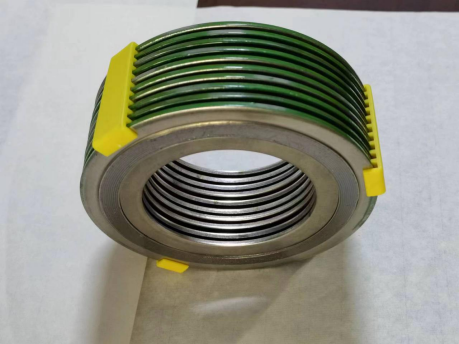
Spiral Wound Gaskets function through three key stages:
1. Initial Sealing: When the gasket is compressed, the metal windings bite into the filler material and the flange faces, creating an initial seal. This process prevents leakage at the contact points.
2. Creep Relaxation: Over time, the gasket material may experience a phenomenon called "creep," where it gradually loses some of its compressive force. This is a natural response to constant pressure. During this stage, the filler material relaxes, and the sealing force reduces slightly.
3. Resilience: The gasket's flexible construction allows it to recover its sealing capability after compression. The gasket "bounces back" to restore the seal, even after repeated thermal and mechanical cycles.
This ability to adapt to fluctuating conditions ensures that Spiral Wound Gaskets maintain their sealing performance over long periods of time.
Spiral Wound Gaskets are designed to withstand extreme pressure and temperature conditions. They are typically rated for pressures ranging from low to high, with some versions capable of withstanding pressures up to 2500 psi (pounds per square inch). The filler materials used, such as graphite, mica, and PTFE, contribute to the gasket’s ability to perform under high temperatures, often exceeding 1000°C in certain applications.
The combination of the metal winding and flexible filler allows SWGs to maintain their sealing properties even as pressure and temperature fluctuate, making them ideal for systems with dynamic operational conditions, such as pipelines, reactors, and heat exchangers.
One of the standout features of Spiral Wound Gaskets is their ability to recover after being compressed. This flexibility ensures that the gasket continues to function effectively even after being subjected to thermal expansion or contraction. It allows the gasket to perform in systems that experience continuous pressure cycling, ensuring that the seal remains intact even after repeated heating and cooling cycles.
When choosing a Spiral Wound Gasket, it’s important to understand the distinction between standard and custom options. While both types are effective, they serve different needs based on application requirements.
Feature | Standard Spiral Wound Gaskets | Custom Spiral Wound Gaskets |
Size and Material | Made in common sizes and material combinations. | Designed for specific applications with unique dimensions and materials. |
Suitability | Suitable for a wide range of general applications. | Tailored for specialized applications, such as extreme conditions. |
Flexibility | Limited flexibility in terms of customization. | Highly flexible, offering options for specific alloys and fillers. |
Chemical Resistance | Standard materials for common industrial environments. | Can be customized with specific alloys or fillers for enhanced chemical resistance. |
Applications | Ideal for general industrial uses. | Perfect for demanding environments like highly corrosive systems. |
Certain industries require specialized Spiral Wound Gaskets that can meet their unique operational challenges:
● Oil and Gas: These gaskets often use graphite fillers for high-temperature resistance and superior sealing under pressure.
● Chemical and Petrochemical: PTFE fillers are commonly used for their excellent chemical resistance, making them ideal for handling aggressive chemicals.
● Pharmaceutical: In pharmaceutical applications, SWGs are designed to meet stringent cleanliness and hygiene standards, often using PTFE fillers for sterility.
In some high-pressure applications, an inner ring is added to the Spiral Wound Gasket. The inner ring helps protect the gasket’s windings from damage and contamination. It can also prevent the gasket from losing its shape under high pressure and serves as a barrier against erosion from harsh chemicals in certain environments.
Spiral Wound Gaskets provide exceptional sealing performance, even under challenging conditions. The combination of metal and flexible filler materials creates a tight seal that can withstand pressure surges, temperature fluctuations, and chemical exposure.
SWGs are known for their long lifespan. Their construction allows them to maintain a reliable seal over time, reducing the need for frequent replacements. This durability leads to fewer maintenance disruptions and lower operational costs.
Materials like PTFE and graphite offer high resistance to chemical attack, making SWGs ideal for applications in industries where corrosive substances are involved. This resistance ensures that the gasket will maintain its sealing capabilities even in harsh environments.
Spiral Wound Gaskets can withstand temperatures from -200°C to over 1000°C, depending on the materials used. They can also resist high-pressure conditions, ensuring their effectiveness in extreme environments such as oil refineries and chemical plants.
For a Spiral Wound Gasket to function correctly, the flange surfaces must be properly prepared. They should be smooth, free from damage, and without scoring. Using a surface comparator, check the flange’s surface finish to ensure it falls within the recommended range of 3.2 µ to 6.3 µ. This helps achieve a proper seal and reduces the risk of leakage.
To install a Spiral Wound Gasket:
Step | Description |
1 | Inspect the gasket for any damage and verify that it meets the required specifications. |
2 | Place the gasket onto the flange, ensuring proper alignment with the flange faces. |
3 | Tighten the bolts evenly in a cross-pattern to ensure uniform compression across the gasket. |
Regular maintenance is crucial to ensuring the gasket’s longevity. Always replace a worn or damaged gasket, as reusing old gaskets can compromise the seal. Inspect the gasket periodically for any signs of degradation or failure, especially in high-stress environments.
Mistakes during installation can lead to gasket failure. Common errors include misalignment of the flange faces, improper torqueing of the bolts, and using old gaskets. These issues can prevent the gasket from sealing effectively, leading to leaks.
Flange rotation and dishing (the bending of the outer ring) can occur when the flange faces are not properly aligned or when the bolts are over-tightened. This issue can lead to uneven pressure distribution across the gasket, affecting its sealing performance.
Gaskets should be replaced when they show signs of wear, such as deformation or loss of sealing ability. Regular inspection is essential to prevent gasket failure and ensure that the sealing system remains intact.
In the oil and gas industry, SWGs are used to seal pipelines, valves, and refineries, where they face constant pressure and temperature fluctuations. Their resistance to corrosive materials ensures that they provide a reliable seal in harsh conditions.
SWGs are crucial in chemical reactors, heat exchangers, and distillation columns, where they prevent leaks of dangerous chemicals and gases.
Power plants use SWGs in turbines and boilers to maintain seals under high-temperature and high-pressure conditions. Similarly, in the pharmaceutical industry, SWGs maintain sterile conditions in reactors and filtration equipment, ensuring compliance with hygiene standards.
Spiral Wound Gaskets are crucial in various industrial applications due to their durability and exceptional sealing performance. They are designed to withstand high pressure, fluctuating temperatures, and harsh chemicals, ensuring systems run efficiently and safely.
Choosing the right gasket depends on factors like temperature, pressure, and chemical exposure. By consulting with an experienced gasket manufacturer, like DONHONSIL Gasket, you can ensure that the perfect gasket is selected to meet your specific operational needs, providing long-lasting value and performance.
A: A spiral wound gasket is a sealing component made from alternating metal strips and soft filler materials, designed to provide durable, high-performance seals in high-pressure and high-temperature environments.
A: A spiral wound gasket creates a tight seal through its unique V-shaped metal windings and soft filler material, which compresses between two flange faces, preventing leaks and adapting to pressure fluctuations.
A: Spiral wound gaskets are essential because they maintain integrity under extreme conditions, such as high pressure, fluctuating temperatures, and corrosive chemicals, ensuring safety and efficiency in industrial systems.
A: Spiral wound gaskets are widely used in industries like oil and gas, chemical processing, power generation, and pharmaceuticals, where reliable sealing is critical for operational safety and efficiency.
A: To choose the right spiral wound gasket, consider factors like pressure, temperature, and the chemical environment. Consulting a gasket manufacturer can help you select the appropriate material and design.
A: No, spiral wound gaskets should not be reused. Replacing them ensures a proper seal and prevents leaks caused by wear and deformation from previous use.


