
Engineered to seal,
The last line of defense against leakage
+86-13566064802

A head gasket may seem small, but it plays a crucial role in your engine’s performance. Often overlooked, it’s located between the engine block and cylinder head, ensuring the proper seal. Without it, engine fluids can mix, and pressure can drop, causing serious problems.
In this guide, we’ll explore the head gasket's function, materials, common failures, and signs of damage. You’ll learn how to protect your engine and avoid costly repairs by understanding this vital component.

The head gasket is situated between the engine block and the cylinder head. It forms the barrier that separates combustion chambers from the engine’s cooling system and oil passages. When your car runs, high-pressure combustion gases must be confined to their respective chambers to maintain engine performance. The head gasket is responsible for keeping everything tightly sealed.
Without this essential component, combustion gases would leak, coolant would mix with engine oil, and the engine could overheat—leading to severe damage.
The head gasket’s main task is to maintain pressure within the combustion chamber while preventing oil, coolant, and combustion gases from mixing. If the gasket fails, these critical fluids can leak into the wrong parts of the engine, compromising its efficiency and potentially causing engine damage.
Additionally, it helps regulate engine temperature by ensuring the coolant remains within the engine’s cooling passages. This prevents the engine from overheating and ensures that the combustion process remains as efficient as possible.
Modern head gaskets are designed using advanced materials that can withstand the extreme heat, pressure, and mechanical stress found in engines. These materials are engineered for durability, providing a tight seal to ensure engine efficiency and longevity. Below are some of the most commonly used materials in head gaskets:
● Multi-Layer Steel (MLS):
Multi-Layer Steel gaskets are composed of multiple thin layers of steel interwoven with elastomeric materials. This design allows for enhanced durability, flexibility, and superior resistance to high temperatures. MLS gaskets can handle the increased pressure of modern engines, making them ideal for vehicles with high-performance engines. The layers help to create a secure seal, even in harsh operating conditions, ensuring optimal engine performance and longevity. Additionally, MLS gaskets are less prone to blowouts compared to older gasket designs.
● Copper:
Copper head gaskets are known for their high thermal conductivity, which makes them ideal for high-performance engines. They are extremely durable and can withstand extreme heat and pressure, which is why they're often used in racing and performance vehicles. However, copper gaskets require precise machining to ensure a perfect seal. They are also soft enough to conform to the engine's surface for a better fit. While highly effective, they are not typically used in standard engines due to the need for more complex installation.
● Composite Materials:
Composite head gaskets are made from a variety of materials, including graphite, aramid fibers, and rubber compounds. Historically, composite gaskets were made using asbestos, but due to health and environmental concerns, asbestos has been largely phased out. Modern composite gaskets are designed to be more flexible and can be produced in various thicknesses to accommodate different engine types. Though less durable than MLS or copper gaskets, composite gaskets are cost-effective and are commonly used in standard engines or older vehicle models. They provide an adequate seal for lower-performance engines but can be prone to failure under high stress or temperature extremes.
Material | Key Feature |
Multi-Layer Steel (MLS) | Durable and heat-resistant. |
Copper | High durability, requires precise machining. |
Composite | Older material, now replaced for safety. |
These materials ensure that head gaskets remain effective under high pressure, maintaining the tight seal needed for smooth engine operation.
The manufacturing process has evolved to include advanced coatings and bonding technologies. For instance, MLS gaskets feature layers with rubber-like coatings that adhere to the engine block and cylinder head. This ensures a better seal, preventing leaks even under extreme pressure.
Additionally, gaskets now undergo thorough testing to guarantee their performance under high temperatures. The use of advanced adhesives and coatings helps these gaskets last longer and provides more reliable sealing than older designs.
The head gasket plays an integral role in maintaining the high pressure created by the ignition of the air-fuel mixture inside the combustion chamber. It prevents combustion gases from escaping, which could otherwise reduce engine efficiency and power output. A damaged gasket can result in a loss of compression, leading to poor engine performance.
In addition to pressure management, the head gasket helps regulate the engine’s temperature. It prevents coolant from leaking into the combustion chamber and ensures that the coolant circulating through the engine is contained within its proper channels. If the gasket fails, the engine could overheat, potentially causing severe damage to internal components.
One of the most important functions of the head gasket is to prevent the mixing of oil and coolant. If these fluids combine, the engine’s lubrication system is compromised, and it can cause the engine to run inefficiently. This often results in engine overheating and may even lead to catastrophic engine failure.
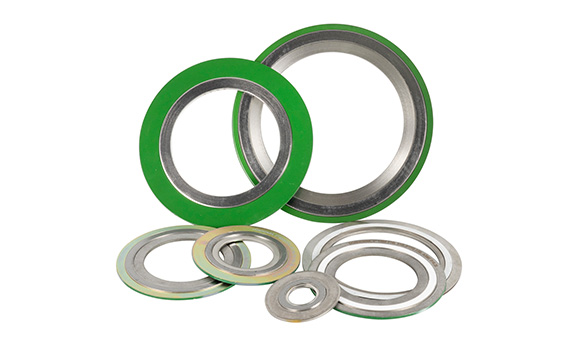
The most common cause of head gasket failure is overheating. When the engine gets too hot, usually due to a lack of coolant, the cylinder head expands at a different rate than the engine block. This causes the head gasket to lose its seal, allowing coolant and oil to mix or combustion gases to leak out.
With time, the materials in the gasket may wear out due to heat and pressure. Overuse of an engine, especially under high performance or heavy load, accelerates this process. Eventually, the gasket may lose its ability to maintain a tight seal, leading to leaks.
Sometimes, a gasket may fail due to manufacturing defects, such as poor material quality or improper sealing. Incorrect installation can also cause gasket failure, especially if the gasket is not torqued properly or if the engine components are not aligned correctly.
Cause | Description |
Overheating Damage | Caused by the engine overheating, usually due to a lack of coolant. |
Material Wear and Damage | Gasket materials degrade over time due to heat, pressure, and heavy use. |
Manufacturing Defects & Installation Issues | Poor material quality or incorrect installation can lead to failure. |
White smoke from the exhaust is a common sign of coolant leaking into the combustion chamber, which often happens when a head gasket fails. The coolant is burned alongside the fuel, causing visible white smoke. If you notice this, it’s essential to get the engine inspected as this issue can lead to further damage if ignored.
Frequent overheating can indicate a blown head gasket. When the gasket fails to seal properly, coolant may leak, which prevents the engine from cooling efficiently. This can lead to an increase in engine temperature, and if left unchecked, it may cause long-term damage to the engine components.
Coolant leaking into the oil passages can cause the oil to appear milky or discolored. This is a clear sign that oil and coolant are mixing, which shouldn’t happen. This issue can severely affect the engine’s lubrication system, leading to further damage and wear if not addressed immediately.
If the radiator or cooling system is under excessive pressure, this could be a sign of a failed head gasket. The gasket may allow combustion gases to enter the cooling system, causing the pressure to build up. This disrupts the cooling process, potentially causing overheating and engine failure if not fixed quickly.
Head gaskets don’t last forever, and their lifespan can vary depending on several factors. On average, head gaskets may need to be replaced every 100,000 miles. However, this can differ based on your vehicle's make and model, engine type, and how the car is driven. For instance, if your engine operates under high stress or frequently experiences extreme heat, the gasket may wear out faster. Additionally, the quality of the gasket material can significantly affect its durability. Regular maintenance and timely checks can help extend the life of your head gasket, reducing the need for early replacement.
If you notice any signs of a failing head gasket, it's important to act quickly. Common symptoms of a blown head gasket include white smoke coming from the exhaust, engine overheating, and the presence of coolant in the oil. These signs suggest that the gasket is no longer effectively sealing, leading to fluid leaks or combustion gas escape. A compression test or a leak-down test can help confirm whether the gasket is the issue. These tests measure the pressure in the cylinders and can detect leaks caused by a compromised gasket. If you observe any of these symptoms, it’s advisable to consult a professional to prevent further engine damage.
Replacing a head gasket is a complex and labor-intensive procedure that requires precision. The process typically begins with removing the cylinder head to access the gasket. Once the old gasket is removed, a new one is carefully placed and the cylinder head is reassembled. This procedure often involves cleaning the surfaces of the engine block and cylinder head to ensure a proper seal. It's crucial that the replacement gasket is installed correctly to avoid future leaks or engine malfunctions. Additionally, ensuring the proper torque specifications when reassembling the components is essential to maintain the right pressure for the gasket to work efficiently. A poorly installed gasket can lead to continued issues, so this process is best left to professionals with experience in head gasket repairs.
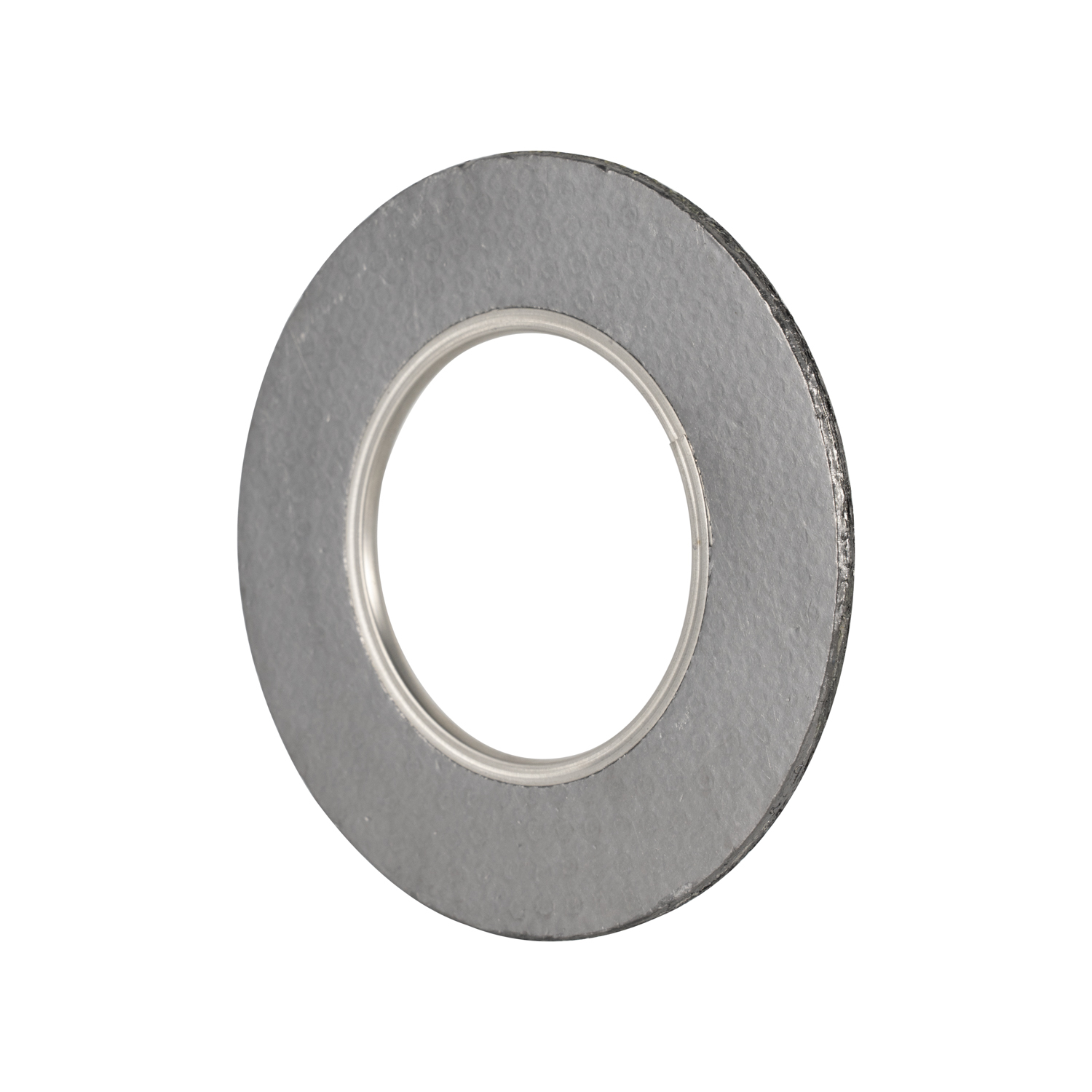
To prevent head gasket failure, it's crucial to maintain proper coolant and oil levels. Coolant helps regulate engine temperature, while oil ensures smooth engine operation. Insufficient levels can cause overheating or improper lubrication, which increases stress on the head gasket. Regularly check these fluids to avoid potential issues and prolong the gasket's lifespan.
Monitoring your engine temperature is key to detecting early signs of overheating, a common cause of head gasket failure. Overheating can be prevented by keeping the temperature within a safe range, ensuring the gasket is not exposed to excessive heat. Regular checks allow you to address cooling system issues before they lead to gasket damage.
When replacing a head gasket, always choose high-quality gaskets that meet the specific requirements of your engine. High-quality gaskets offer better durability, resistance to heat, and sealing efficiency. Investing in premium gaskets can significantly enhance your engine’s longevity and prevent gasket failure, ensuring long-term performance and reduced risk of damage.
The head gasket is vital for maintaining engine performance. It ensures that combustion gases, coolant, and oil stay properly sealed. Regular maintenance and timely replacement are essential to avoid expensive repairs and extend engine life. Choosing high-quality gaskets, like those from DONHONSIL Gasket, ensures reliability and optimal engine function, providing long-lasting value for your vehicle.
A: A head gasket is a crucial engine component that seals the space between the engine block and cylinder head, preventing combustion gases, coolant, and oil from mixing.
A: The head gasket ensures that combustion pressure stays intact and prevents coolant or oil leaks, which is essential for smooth engine operation and avoiding overheating.
A: Common causes include overheating, wear over time, and poor installation. A blown head gasket can lead to coolant leaks or engine power loss.
A: Replacing a head gasket can cost between $1,000 and $2,500, depending on the vehicle and labor involved.
A: Signs of a blown head gasket include white smoke from the exhaust, overheating, or discolored oil. If you notice any, get your engine checked immediately.
A: If the damage is minor, it can be repaired, but most often, a head gasket replacement is necessary to restore engine function.


