
Engineered to seal,
The last line of defense against leakage
+86-13566064802

Views: 0 Author: Site Editor Publish Time: 2026-02-12 Origin: Site
Can spiral wound gaskets be reused? This question sparks debate among industry professionals. Spiral wound gaskets are essential components in many industrial applications, providing reliable seals under extreme conditions. Understanding their reuse potential is crucial for maintaining safety and efficiency. In this article, we’ll explore the reusability of spiral wound gaskets, the factors influencing their lifespan, and best practices for ensuring optimal performance.
A spiral wound gasket is a mechanical seal made by winding alternating layers of metallic strips and soft filler materials, typically graphite or PTFE. The metallic strips provide strength and resilience, while the filler material enhances sealing properties. This combination allows the gasket to adapt to various flange surfaces, creating a reliable seal.
The spiral winding process involves wrapping these materials in a specific pattern. This design not only ensures flexibility but also enables the gasket to compress effectively under pressure. As the flange bolts are tightened, the gasket conforms to the surface irregularities, filling gaps and preventing leaks.
There are several types of spiral wound gaskets, each tailored for specific applications:
● Type SG: Designed for flat and raised face flanges, this type includes an external centering ring. It helps with alignment and prevents over-compression, making it ideal for standard applications.
● Type SG/IR: Similar to Type SG but with an added inner ring. This provides extra support and enhances recovery characteristics, suitable for high-pressure environments.
● Type C/IR: Perfect for male and female flanges, this design prevents solid accumulation and flange erosion. It protects the innermost windings from aggressive media.
Type | Application | Features |
Type SG | General industrial applications | External ring for alignment |
Type SG/IR | High-pressure pipelines | Enhanced recovery and support |
Type C/IR | Male and female flanges | Erosion prevention and solid retention |
Spiral wound gaskets offer numerous benefits, making them a preferred choice in various industries:
● Resilience: These gaskets can withstand fluctuating pressures and temperatures, ensuring effective sealing even in challenging conditions. This durability is essential in environments like petrochemical plants, where conditions can vary significantly.
● Versatility: Available in multiple materials and configurations, spiral wound gaskets can be customized for specific applications. Whether you need a gasket that handles corrosive chemicals or one that operates at high temperatures, there's a suitable option.
● Reliability: Their robust construction and dependable sealing performance make spiral wound gaskets a trusted choice for critical applications. They help prevent leaks, which can lead to costly downtimes and safety hazards.
In summary, understanding the construction, types, and advantages of spiral wound gaskets is crucial for selecting the right gasket for your needs. Their unique design and material combinations ensure they perform reliably across a range of industrial applications.
Reusability in the context of spiral wound gaskets refers to the ability to use a gasket multiple times without compromising its sealing effectiveness. Understanding this concept is essential for industries that rely on these gaskets for maintaining pressure and preventing leaks.
Every gasket has a lifecycle, which includes installation, operational use, and potential reuse. Knowing when a gasket is still viable for reuse can save costs and reduce waste, making it a valuable consideration in industrial maintenance.
Several factors determine whether a spiral wound gasket can be reused effectively:
● Material Degradation: Gaskets experience wear and tear due to thermal cycling and chemical exposure. Over time, materials can degrade, impacting their sealing capabilities. For instance, exposure to harsh chemicals can weaken the filler material, while extreme temperatures can alter the gasket's shape.
● Physical Condition After Use: Inspecting the physical state of a gasket is crucial. Signs of cracking, swelling, or loss of compressibility can indicate that a gasket is no longer fit for reuse. A visual inspection can reveal significant issues that might compromise performance.
● Installation Factors: Proper installation plays a vital role in gasket longevity. Factors such as torque specifications and flange alignment directly affect how well a gasket seals. If a gasket is over-tightened or misaligned during installation, it may suffer damage that renders it unusable.
Factor | Impact on Reusability |
Material Degradation | Weakens sealing effectiveness |
Physical Condition | Cracking or swelling affects integrity |
Installation Factors | Misalignment can lead to leaks |
When considering reuse, it's essential to evaluate these factors carefully. A thorough inspection and understanding of the gasket's history can help determine if it remains a reliable choice for future applications. By taking these aspects into account, businesses can make informed decisions about reusing spiral wound gaskets, ultimately enhancing operational efficiency and safety.
The question of whether spiral wound gaskets can be reused often divides opinions among industry experts. Many professionals advocate for reuse under certain conditions, while others caution against it. The consensus generally leans toward a cautious approach, emphasizing thorough inspection and adherence to industry standards.
According to guidelines like ASME B16.20, gaskets should be evaluated for integrity before reuse. These standards provide a baseline for assessing whether a gasket can still perform effectively. Experts recommend that companies establish clear protocols for evaluation based on these guidelines.
Leading manufacturers and engineers highlight several best practices regarding gasket reuse:
● Conduct Regular Inspections: Frequent checks can help identify wear and tear early.
● Document Usage History: Keeping records of how and where gaskets are used aids in assessing their condition.
● Follow Manufacturer Guidelines: Each gasket type may have specific recommendations for reuse.
Not all spiral wound gaskets are suitable for reuse. Certain conditions must be met to ensure safety and functionality:
● Situations Where Reuse May Be Acceptable:
○ Gaskets that have been removed carefully and show no signs of damage can often be reused.
○ If they have been in service for a short duration and under moderate conditions, they may still be viable.
Before deciding to reuse a spiral wound gasket, consider the following criteria:
● No Signs of Physical Damage: Inspect for cracks, tears, or deformities.
● No Exposure to Extreme Temperatures or Chemicals: Ensure the gasket hasn’t been subjected to conditions beyond its rated limits.
● Retained Compressibility and Integrity: Test the gasket’s ability to compress properly to ensure it will seal effectively.
Condition | Assessment Criteria |
Physical Damage | Check for cracks or tears |
Exposure to Conditions | Review operational history |
Compressibility and Integrity | Perform a physical compression test |
By adhering to these guidelines, businesses can make informed decisions about the reuse of spiral wound gaskets, potentially saving costs while maintaining safety and efficiency. It's crucial to approach reuse thoughtfully, balancing potential savings against the risk of leaks and failures.
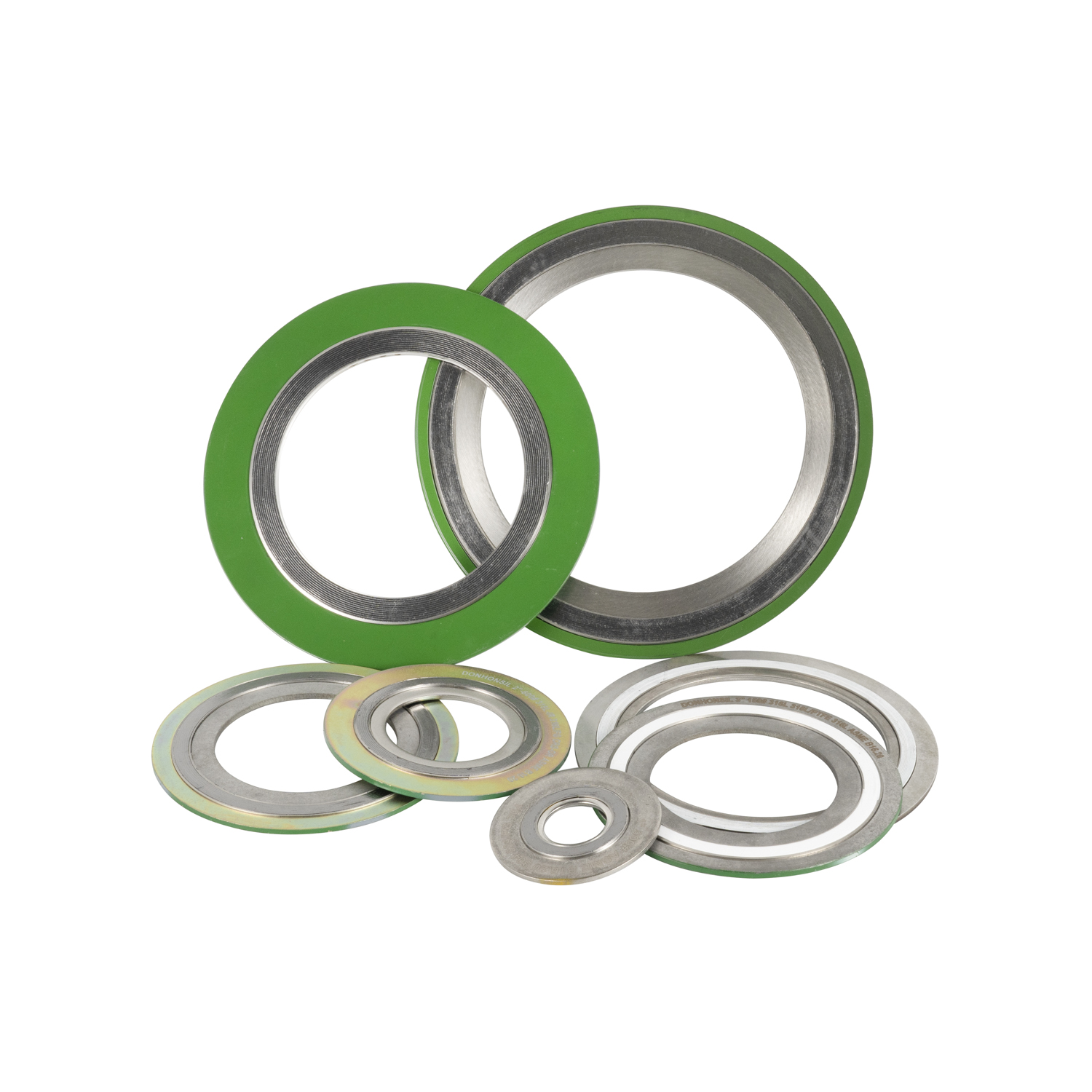
Reusing spiral wound gaskets can lead to significant risks if not approached carefully. One of the primary concerns is the potential for leaks and failures. Even minor degradation in the gasket's material can result in compromised sealing, which may go unnoticed until it’s too late.
● Risks of Leaks: A worn gasket may fail to maintain pressure, leading to leaks. This can result in costly fluid losses and environmental hazards.
● Operational Downtime: If a gasket fails, it can halt operations, causing downtime that affects productivity and profitability.
● Safety Hazards: In industries like oil and gas, leaks can pose serious safety risks, including fires or explosions.
Real-world examples illustrate the dangers of reusing spiral wound gaskets without proper assessment.
1. Case Study: Chemical Plant Incident
2. A chemical manufacturing plant reused spiral wound gaskets without thorough inspection. Shortly after reinstallation, a gasket failed, causing a leak of hazardous chemicals. The incident led to an evacuation, regulatory fines, and significant cleanup costs.Case Study: Oil Refinery Shutdown
An oil refinery attempted to reuse gaskets in high-pressure pipelines. Within weeks, multiple leaks were reported, resulting in a complete shutdown for repairs. The downtime lasted several days, costing the company millions in lost revenue.
These incidents highlight several critical lessons:
● Thorough Inspections are Essential: Always inspect gaskets for signs of wear or damage before reuse. A visual check may not be enough; consider performing compression tests.
● Follow Industry Standards: Adhering to guidelines like ASME B16.20 can prevent costly mistakes. These standards provide a framework for evaluating gasket condition.
● Document Usage History: Keeping records of gasket performance can help assess their reliability for future use. Knowing how a gasket has performed in the past can inform reuse decisions.
Risk | Potential Consequences |
Leaks | Fluid loss, environmental hazards |
Operational Downtime | Lost productivity and revenue |
Safety Hazards | Risk of fires or explosions |
By understanding these risks and learning from past failures, businesses can make more informed decisions about the reuse of spiral wound gaskets. It's crucial to weigh the potential savings against the risks involved.
Proper installation is crucial for the effective performance of a spiral wound gasket. The right techniques can significantly extend the gasket's lifespan and prevent leaks.
● Importance of Proper Installation Techniques: Ensuring that the gasket is seated correctly on the flange is vital. Misalignment can lead to uneven pressure distribution, resulting in premature failure.
● Recommended Torque Specifications: Always follow the manufacturer’s torque specifications. Over-tightening can compress the gasket too much, while under-tightening may not create a sufficient seal.
● Alignment Practices: Use alignment tools to ensure the flanges are properly aligned before installation. This helps maintain even pressure across the gasket surface.
The condition of the flange surfaces plays a significant role in gasket performance.
● Smooth and Flat Surfaces: Ensure that the flange surfaces are smooth and flat. Rough or uneven surfaces can damage the gasket during installation, compromising its ability to seal effectively.
Regular maintenance is essential for ensuring the longevity of spiral wound gaskets.
● Regular Inspection Protocols: Establish a routine for inspecting gaskets. Look for signs of wear, such as deformation, leaks, or material degradation.
● Signs Indicating Replacement Needs: If you notice any physical damage, such as cracking or swelling, it’s time to replace the gasket. Additionally, if the gasket has been exposed to extreme temperatures or harsh chemicals, replacement may be necessary.
Choosing the right materials for spiral wound gaskets is critical for their performance and longevity.
● Importance of Selecting Appropriate Materials: Consider the operating conditions, such as temperature and chemical exposure, when selecting gasket materials. Using materials that are not suited for specific conditions can lead to rapid degradation and failure.
Maintenance Aspect | Best Practices |
Installation Techniques | Ensure proper seating and alignment |
Regular Inspections | Check for wear and damage regularly |
Material Selection | Choose materials based on conditions |
By following these best practices, you can enhance the performance and reliability of spiral wound gaskets, ensuring they function effectively over time. Proper installation and maintenance are key to preventing leaks and minimizing operational disruptions.
This article explores the reusability of spiral wound gaskets. It highlights the potential risks and best practices for their use. Proper installation and maintenance are crucial for ensuring gasket performance. Following industry standards can prevent leaks and failures. Companies should prioritize safety and reliability over cost-saving measures.
At Dongheng Sealing, our high-quality gaskets are designed for durability and performance. We focus on providing reliable sealing solutions that enhance operational efficiency. Our products offer unique advantages, ensuring long-lasting reliability in various applications.
A: Yes, spiral wound gaskets can be reused if they show no signs of damage and have been properly maintained.
A: Factors include the gasket's physical condition, exposure to extreme conditions, and whether it retains its compressibility.
A: Proper installation techniques, including correct torque specifications and flange alignment, are essential for the longevity of a spiral wound gasket.
A: Risks include leaks and operational downtime, which can lead to safety hazards and increased costs.
A: Choosing the right materials based on operating conditions ensures the gasket's reliability and performance over time.


