
Engineered to seal,
The last line of defense against leakage
+86-13566064802

Views: 0 Author: Site Editor Publish Time: 2025-11-05 Origin: Site
What exactly is a gasket used for? You may encounter gaskets in many industries, but do you know their essential role? From automotive to food processing, gaskets prevent leaks and ensure safety. In this post, we'll discuss the crucial functions of gaskets, their types, and why understanding their use is vital for various industrial applications.
A gasket is a mechanical seal designed to fill the gap between two surfaces. It prevents leaks by creating a barrier that blocks the passage of fluids or gases. Essentially, gaskets are critical for ensuring machinery and equipment operate safely and efficiently. They are used in everything from car engines to industrial piping systems, where leak prevention is essential.
Gaskets play a vital role in maintaining the integrity of systems by preventing harmful leaks. Without them, machines would be vulnerable to damage from escaping fluids or gases, which could lead to failures or safety hazards.
Gaskets can be made from various materials, including rubber, cork, metal, and composites. The choice of material directly affects the gasket's performance, especially in demanding environments.
● Rubber Gaskets: These are often used in lower-temperature and pressure environments, offering flexibility and resistance to water and air.
● Metal Gaskets: Metal gaskets, typically made from stainless steel or copper, provide excellent sealing in high-pressure and high-temperature applications.
● Composites and Others: Materials like PTFE (Teflon) or graphite are used for chemical resistance or extreme conditions.
The right material ensures that the gasket can withstand specific challenges, whether it’s high pressure, temperature fluctuations, or chemical exposure.
Gaskets work by compressing between two surfaces to form a tight seal. The material of the gasket deforms under pressure, filling any irregularities in the surfaces it seals. This deformation ensures a leak-proof connection between parts.
The key to a gasket's function is its ability to create a tight seal even under varying pressures and temperatures. When the gasket is compressed, it expands to fill gaps, preventing any leaks. This is why gaskets must be made from materials that are flexible yet resilient, ensuring long-lasting performance.
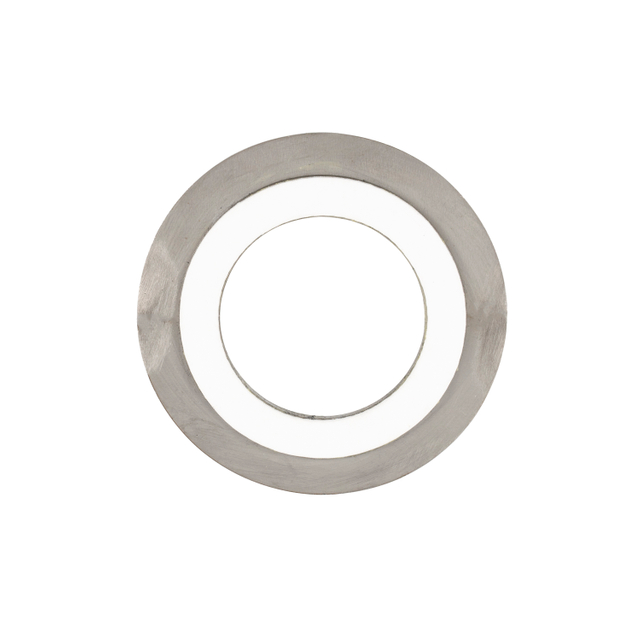
Gaskets are a fundamental component in the automotive industry. They are used extensively in engine blocks, exhaust systems, and transmissions, where they prevent the leakage of fluids like oil, coolant, and gases. Engine gaskets, such as head gaskets, play a crucial role in maintaining engine efficiency by ensuring that no fluids escape during operation. If these seals were absent or faulty, engine performance would be compromised. Leaks could lead to overheating, loss of power, and potential engine damage, resulting in costly repairs and decreased vehicle reliability.
The primary function of automotive gaskets is to maintain a leak-free seal under high pressure and extreme temperatures, ensuring that the engine runs smoothly and operates efficiently. Without them, the risk of contamination or fluid loss would dramatically increase, affecting both vehicle performance and longevity.
In industrial machinery, gaskets are critical for sealing pumps, compressors, valves, and other essential equipment that often operate under high pressure. Gaskets help maintain pressure integrity, ensuring that fluids and gases are effectively contained within the system. If these seals fail, it can lead to the escape of fluids or gases, resulting in costly leaks, system inefficiency, or even catastrophic system failures.
Industrial gaskets are specifically engineered to withstand extreme conditions, such as high pressure, temperature fluctuations, and exposure to a wide range of chemicals. These gaskets are commonly used in manufacturing, processing, and petrochemical environments, where the demands for reliable sealing solutions are especially high. By preventing leaks, gaskets protect machinery from damage, reduce the risk of downtime, and ensure the continued smooth operation of industrial systems.
In both the food and pharmaceutical industries, gaskets are essential for providing hygienic sealing in processing and packaging equipment. These industries demand the highest standards of cleanliness and safety, as even the smallest amount of contamination can have serious consequences for public health. Gaskets ensure that food products and medicines remain free from harmful substances during manufacturing, storage, and transportation.
Food-grade gaskets are made from materials that comply with strict industry regulations, offering durability while preventing leaks or contamination. Similarly, pharmaceutical gaskets play a vital role in creating sterile environments for drug manufacturing and ensuring that sensitive products, such as vaccines or medicines, are kept free from external contaminants. These gaskets provide a secure seal, offering peace of mind that the integrity of the products remains intact throughout the production process.
Gaskets are indispensable in aerospace and marine applications, where they are subjected to harsh environments that demand high levels of reliability. In aerospace, gaskets are used in critical systems, including fuel systems, hydraulic systems, and aircraft engines, to prevent leaks that could jeopardize the safety of passengers and the integrity of the aircraft. The extreme temperatures and pressure changes encountered during flight make it crucial for gaskets to maintain their sealing performance at all times.
Similarly, in marine applications, gaskets are used to maintain watertight seals in hull fittings and other critical components. These seals prevent the leakage of fuel, oils, and other hazardous substances, ensuring the safety of both the vessel and the environment. Marine gaskets must be designed to withstand saltwater corrosion, high pressure, and extreme temperatures, providing reliable seals that guarantee the vessel's operational safety and environmental compliance.
Both aerospace and marine gaskets are specifically designed for the harshest conditions, ensuring that these systems remain safe, efficient, and functional, even under the most demanding circumstances. Whether in the sky or at sea, these gaskets are key to preventing leaks and maintaining system integrity.
Gaskets are crucial for maintaining seal integrity across various environments. They create a tight seal between surfaces, preventing the leakage of fluids or gases. Whether in a car engine or a high-pressure industrial system, gaskets stop harmful substances from escaping and contaminants from entering.
These seals play a vital role in keeping systems safe and functional, especially in industries like petrochemical, food, and pharmaceuticals, where cleanliness and efficiency are paramount. By using the right gasket material, industries can ensure their equipment operates without leaks or contamination, ultimately protecting both the system and the environment.
Gaskets also help extend the life of mechanical parts by reducing wear and tear. By providing a consistent seal, gaskets prevent friction between moving parts, which could otherwise cause damage over time. For example, in machinery like pumps and compressors, gaskets ensure that no unwanted pressure or fluid escapes, which could lead to excessive wear on critical components.
By minimizing the need for constant repairs, gaskets reduce maintenance costs and downtime, which is vital for industries relying on continuous operation.
Benefit | Explanation |
Prevents Wear and Tear | Gaskets reduce friction between parts, increasing their lifespan. |
Reduces Maintenance Costs | Effective sealing minimizes the need for repairs and maintenance. |
Improves System Efficiency | Gaskets ensure smooth operation, keeping systems running at peak efficiency. |
Gaskets are essential for meeting safety standards and regulatory compliance. They help ensure that systems remain leak-free, preventing dangerous accidents, especially in industries dealing with chemicals, high-pressure gases, or hazardous materials.
By maintaining these seals, businesses can avoid fines and legal issues. Gaskets must meet strict regulations to ensure they provide the necessary protection, whether in the automotive, aerospace, or pharmaceutical industries. Compliant gaskets are key to both safety and legal adherence.
Tip: When selecting a gasket for a specific application, make sure to choose a material that meets industry safety standards and can withstand the specific environmental conditions of your system.
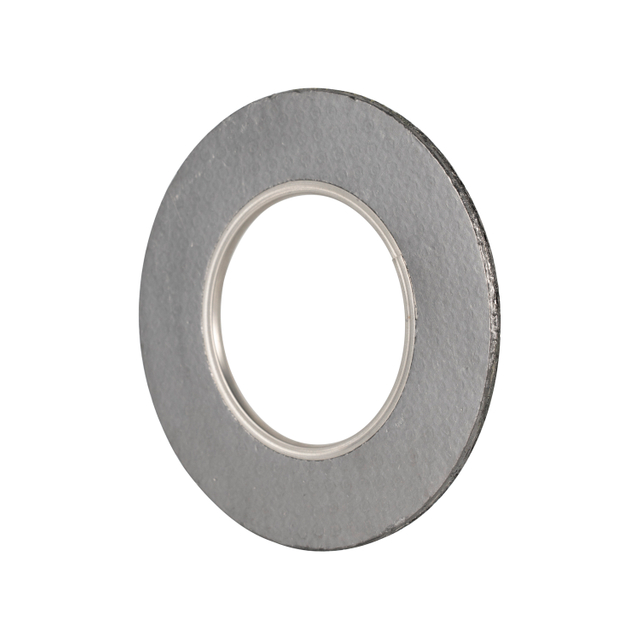
When selecting a gasket, it’s important to consider the specific conditions of your application. Temperature, pressure, and chemical resistance are key factors that determine which material will work best for your needs.
● Temperature Resistance: If your system operates in extreme temperatures, whether high or low, you need a gasket that can withstand these conditions. Materials like Viton™ or PTFE are often used in high-temperature environments.
● Pressure Resistance: For high-pressure systems, such as in industrial pumps or car engines, metallic gaskets or spiral wound gaskets are ideal. They can handle the stresses of high pressure without losing their sealing ability.
● Chemical Resistance: In environments with exposure to harsh chemicals, chemical-resistant materials like PTFE or silicone are essential. These materials prevent degradation or swelling, ensuring a reliable seal even when exposed to corrosive substances.
Choosing the right gasket material ensures that your equipment operates effectively, maintains safety, and avoids costly leaks or breakdowns.
Different gasket types are suited for specific applications based on the material, shape, and pressure requirements. Here are a few common types:
● Flat Gaskets: Made from materials like rubber or cork, flat gaskets are used in low-pressure applications, such as sealing pipes or tanks.
● O-Ring Gaskets: These circular seals are used in dynamic applications, such as hydraulic systems or automotive engines, where a reliable seal is needed for fluids or gases under pressure.
● Spiral Wound Gaskets: Made from a combination of metal and soft filler material, these gaskets are ideal for high-temperature and high-pressure applications like pipeline flanges.
● PTFE Gaskets: Known for their excellent chemical resistance, PTFE gaskets are used in environments with aggressive chemicals or extreme temperatures.
Each type of gasket serves a specific purpose, so selecting the correct one ensures effective sealing and durability.
For applications with unique requirements, custom gaskets are essential. Custom gaskets are tailored to fit specific machinery or equipment, ensuring the best possible performance. Whether it’s an irregular shape or special material needs, custom gaskets provide bespoke solutions for industries ranging from aerospace to pharmaceuticals.
Custom gaskets are designed to meet specific pressure, temperature, and chemical resistance requirements, making them a critical choice for specialized machinery. By opting for a custom gasket, you ensure that the seal will function optimally in your unique system.
Gasket Type | Best Use | Common Material |
Flat Gaskets | Low-pressure, sealing tanks or pipes | Rubber, Cork |
O-Ring Gaskets | Dynamic applications, hydraulic systems, engines | Rubber, Silicone |
Spiral Wound Gaskets | High-pressure, high-temperature environments | Metal, Graphite, PTFE |
PTFE Gaskets | Chemical resistance, extreme temperatures | PTFE |
To ensure that gaskets perform as expected, they undergo several tests to evaluate their ability to maintain a tight seal under various conditions. Compression testing simulates the real-world pressure a gasket will face when installed in a system. The gasket is compressed to see if it can withstand the forces without losing its sealing ability. This test helps determine whether the gasket will function under the operational pressures and temperatures it will experience.
Leak testing is another crucial step. Gaskets are subjected to various fluids or gases under pressure to check if they can prevent leaks. If any leakage occurs, the gasket fails to perform its primary job. Leak-proof gaskets are essential in industries where even the smallest leak could lead to safety risks, equipment failure, or contamination.
Test Type | Purpose | Key Focus |
Compression Test | Ensures the gasket maintains a seal under pressure | Gasket deformation, compression resistance |
Leak Test | Checks if the gasket prevents leaks in the system | Fluid or gas leak prevention |
Gaskets must be able to withstand extreme conditions, including high temperatures and exposure to harsh chemicals. Temperature testing subjects gaskets to both high and low temperatures to assess their performance in a variety of environmental conditions. This is particularly important in applications like automotive engines or industrial machinery, where gaskets must continue to seal effectively despite drastic temperature fluctuations.
Chemical resistance testing is also a vital part of gasket evaluation. Gaskets are exposed to chemicals that they may encounter in their intended environment, such as oils, acids, or solvents. The gasket’s ability to resist degradation from these substances ensures its durability and longevity. This type of testing is crucial for industries like pharmaceuticals, food processing, and petrochemicals, where gaskets are often in contact with corrosive substances.
Test Type | Purpose | Key Focus |
Temperature Test | Assesses the gasket's ability to handle temperature extremes | High/low temperature resistance |
Chemical Resistance Test | Evaluates the gasket's durability against chemicals | Resistance to oil, acids, solvents |
Gaskets play a crucial role in sealing applications across industries. They ensure leak prevention and system efficiency. Choosing the right gasket material and type is key to reliable performance. Proper maintenance further extends gasket lifespan and prevents costly repairs. At DONHONSIL, their high-quality gaskets provide superior sealing solutions, ensuring reliability and durability in various industrial applications.
A: A gasket is used to create a seal between two surfaces, preventing leaks of fluids or gases in various applications.
A: The material of a gasket determines its resistance to pressure, temperature, and chemicals, ensuring reliable sealing performance.
A: Gaskets compress between surfaces, filling irregularities and forming a tight seal to prevent leakage.
A: Common gaskets include flat gaskets, O-rings, and spiral wound gaskets, each suited for different sealing needs.
A: The lifespan of a gasket depends on factors like material, environmental conditions, and maintenance, but they are designed to be durable.


