Engineered to seal,
The last line of defense against leakage
+86-13566064802

Views: 0 Author: Site Editor Publish Time: 2026-06-08 Origin: Site
Ever faced leaks despite using ring joint type gaskets? These gaskets are vital for high-pressure, high-temperature seals.
Improper use leads to costly failures and safety risks. In this post, you’ll learn common mistakes and how to avoid them.
We’ll cover gasket selection, installation, and maintenance tips to ensure reliable performance every time.
Table of Contents
Selecting the correct ring joint type gasket (RTJ) is crucial for ensuring a leak-free seal in high-pressure and high-temperature systems. Using the wrong gasket can cause immediate or delayed failure, leading to costly repairs and safety hazards. Let’s break down the key factors to consider when choosing RTJ gaskets.
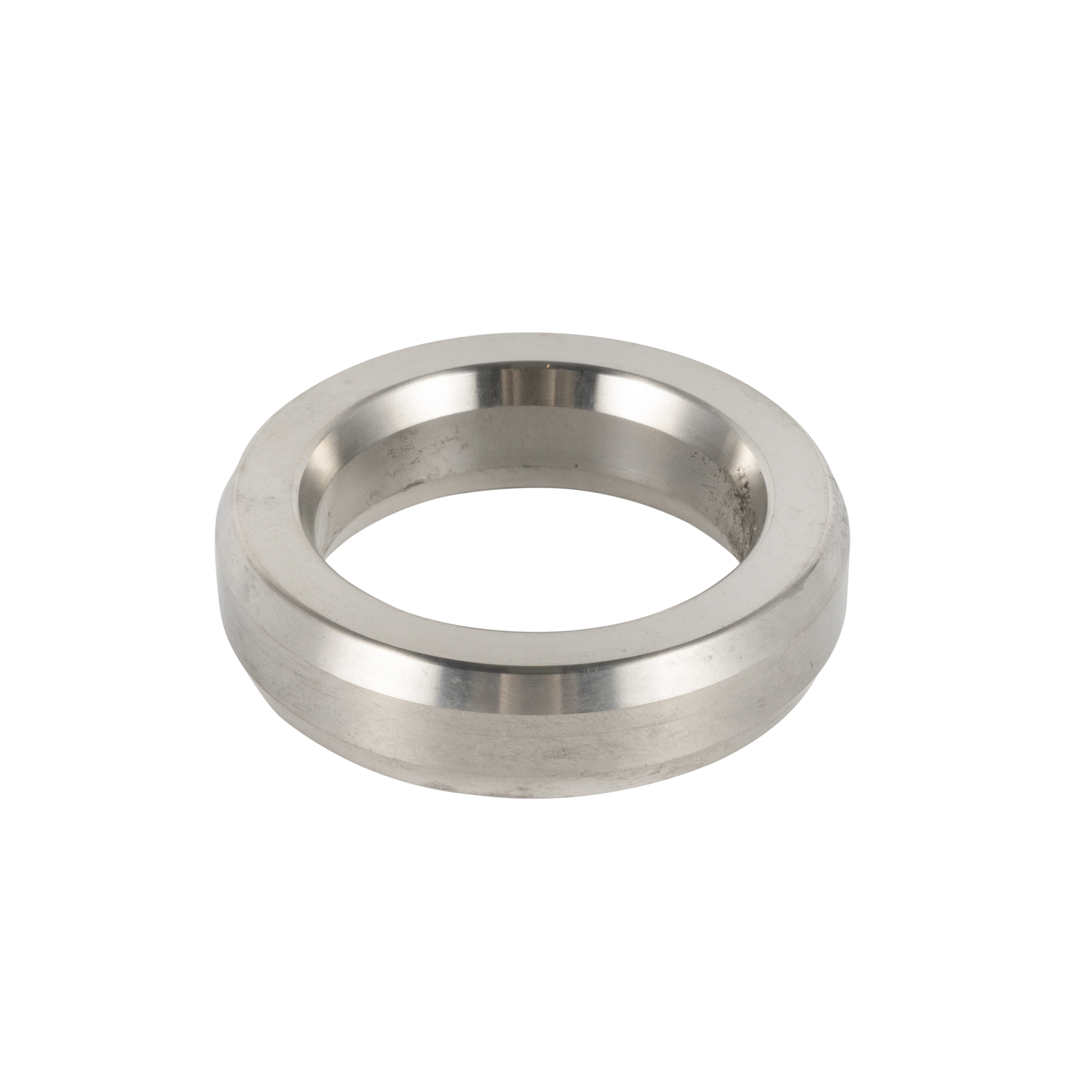
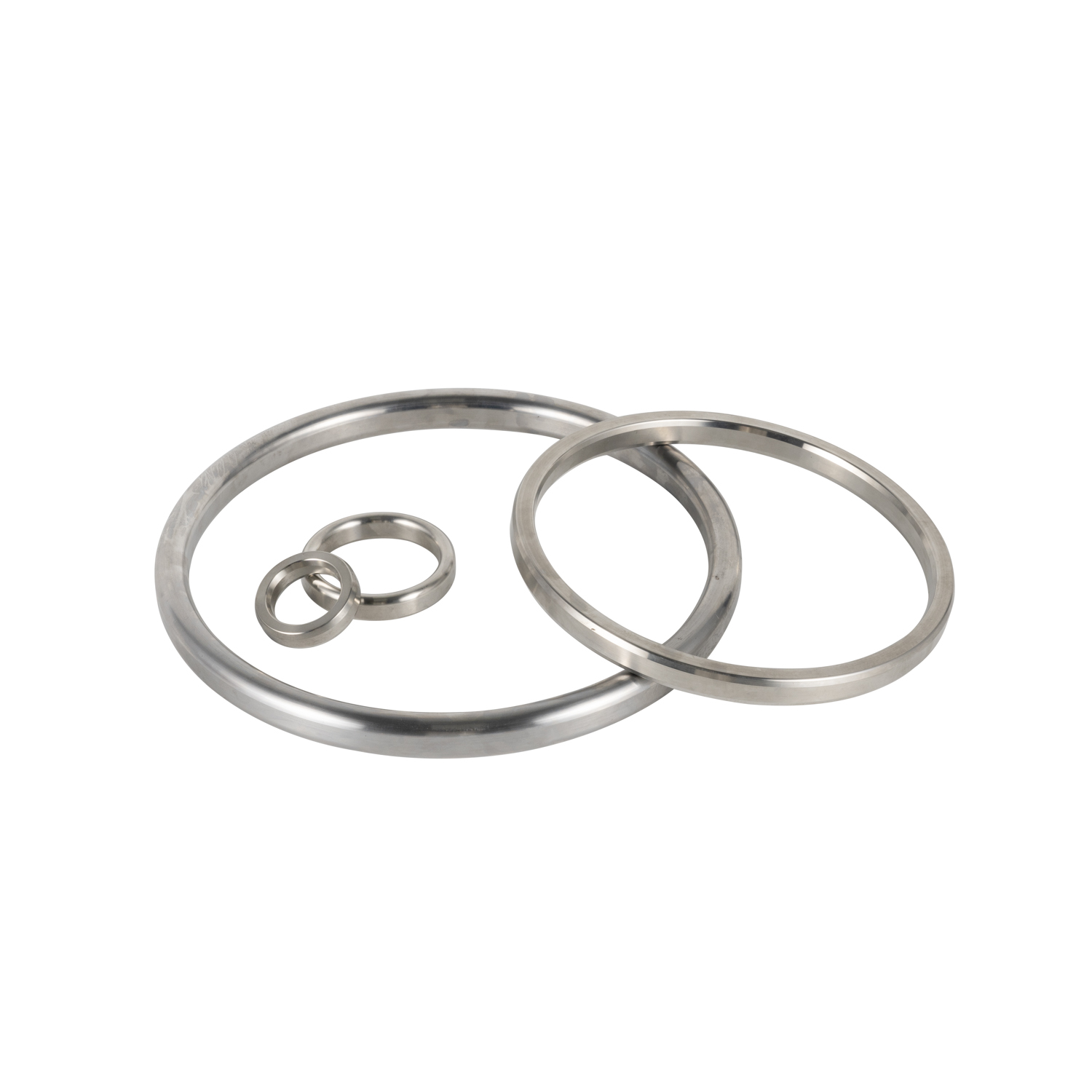
RTJ gaskets come in various profiles, each designed to fit specific flange groove shapes and pressures. The most common profiles include:
RTJ 1 (Oval): Used for lower pressure applications.
RTJ 2 (Octagonal): Suitable for medium pressures.
RTJ 3 (Oval): Designed for higher pressures.
RTJ 4 (Octagonal): Used in very high-pressure systems.
RTJ 5 (Octagonal): For the highest pressure ratings.
Each profile must match the flange groove precisely to ensure proper compression and sealing. Sizes also vary, so measure flange dimensions accurately and confirm the gasket size matches ASME B16.20 standards.
Material selection depends on operating conditions. Common RTJ gasket materials include:
Soft iron: For general use in moderate conditions.
Low carbon steel: Good for high-pressure steam.
Inconel and stainless steel: For corrosive or high-temperature environments.
Monel or other alloys: For aggressive chemical media.
Consider the pressure rating, temperature range, and chemical compatibility of the gasket material with the process fluid. For example, stainless steel gaskets resist corrosion but may not handle extreme pressures as well as alloy steels.
ASME B16.20 provides detailed specifications for RTJ gaskets, including dimensions, materials, and marking requirements. Always use these standards as a baseline when selecting gaskets to ensure compatibility with flange designs and pressure classes. This reduces guesswork and helps avoid mismatches.
Even with standards, variations in flange manufacturing or unique process conditions can affect gasket choice. Consult experienced gasket suppliers or manufacturers early in the selection process. They can provide expert advice, review your system parameters, and recommend the best gasket profile and material for your application.
They may also help with custom solutions or provide technical data sheets for verification. This step reduces risks and improves sealing reliability.
Note: Always verify RTJ gasket profile, size, and material compatibility against your system’s pressure, temperature, and media to avoid costly sealing failures.
Proper flange groove inspection and preparation are essential steps before installing ring joint type (RTJ) gaskets. Even the best gasket won’t seal correctly if the flange groove surface is damaged or dirty. This section covers how to identify surface issues, prepare the groove, perform machining if needed, and use checklists to ensure the flange is ready.
Start by carefully inspecting the flange groove for any defects. Look for:
Corrosion or rust spots that can prevent a tight seal
Pitting or gouges caused by wear or mechanical damage
Warping or uneven surfaces that cause uneven gasket compression
Residual old gasket material stuck in the groove
Oil, grease, dirt, or debris contamination
Use a bright light and magnification if necessary. Even small imperfections can create leak paths under pressure. Document any defects found for repair or machining.
Once defects are identified, clean the groove thoroughly:
Remove all old gasket material using non-abrasive scrapers or chemical solvents
Clean dirt, grease, and oil with appropriate cleaners that won’t damage the flange metal
Blow out the groove using compressed air to remove dust and particles
Wipe dry with lint-free cloths
Avoid using wire brushes or harsh abrasives that may alter the groove dimensions or surface finish. Proper cleaning ensures the gasket contacts the flange metal uniformly.
If the groove surface has deep scratches, corrosion, or warping, machining or refacing may be required to restore a flat, smooth sealing surface. This involves:
Using precision machining tools to remove damaged metal layers
Restoring the groove profile to original dimensions per ASME B16.20 or other applicable standards
Ensuring flange faces are parallel and flat within tolerance
Only qualified personnel should perform machining to avoid overcutting or misalignment. Proper machining extends gasket life and prevents premature leaks.
To avoid missing critical preparation steps, use a pre-installation checklist that includes:
Visual inspection of groove condition and flange face
Verification of groove dimensions and surface finish
Confirmation of cleaning completion and contamination removal
Assessment of whether machining or refacing is needed
Documentation of inspection results and corrective actions taken
Checklists help maintain consistency, especially during routine maintenance or shutdowns. They also provide traceability for quality control and safety audits.
Tip: Always perform a detailed flange groove inspection and cleaning before installing RTJ gaskets to ensure even compression and prevent leaks.
Reusing ring joint type (RTJ) gaskets is a common but risky mistake in many industrial settings. These gaskets are precision-engineered metal seals designed to deform once, creating a tight, leak-proof seal. When reused, their sealing ability diminishes, risking leaks and operational failures.
RTJ gaskets deform under flange bolt pressure to fill the groove perfectly. This deformation is permanent and creates the metal-to-metal seal essential for high-pressure and high-temperature applications. Once compressed, the gasket’s shape changes, so it cannot return to its original form.
Trying to reuse a gasket means it won’t compress properly again. The metal has already been stressed and "set," so it loses its ability to conform tightly to the flange groove. This compromises the seal’s integrity and increases leak risk.
Reusing RTJ gaskets can cause several problems:
Leaks at startup or during operation due to poor sealing
Gasket blowout or joint failure under pressure spikes
Increased maintenance costs from unplanned downtime
Safety hazards from escaping fluids or gases
Damage to flange faces caused by uneven gasket compression
These consequences not only affect safety but also lead to costly repairs and production losses.
To avoid these risks, always replace RTJ gaskets after disassembly. Follow these best practices:
Install a new gasket every time the flange joint is opened, no matter how brief the maintenance
Dispose of old gaskets properly to avoid accidental reuse or contamination
Document gasket replacements in maintenance records for traceability and quality control
Train maintenance teams on the importance of single-use RTJ gaskets
This approach ensures reliable sealing and reduces the chance of leaks or failures.
Having a fresh stock of RTJ gaskets ready helps avoid the temptation to reuse old ones. Maintain inventory levels based on your maintenance schedule and operating demands. Work closely with gasket suppliers to ensure you have the correct sizes and materials on hand.
Stocking fresh gaskets also supports quick turnaround during shutdowns or emergency repairs, minimizing downtime and preserving system integrity.
Tip: Always treat RTJ gaskets as single-use components and keep a well-stocked inventory to prevent costly leaks and ensure reliable sealing every time.
Proper bolt tightening is crucial to ensure ring joint type (RTJ) gaskets seal effectively. Uneven or incorrect tightening can cause leaks, flange damage, or gasket failure. Here’s how to get it right.
RTJ gaskets rely on uniform compression to create a tight metal-to-metal seal. Uneven bolt tension leads to areas with too little or too much pressure. Low pressure spots let fluids leak, while excessive pressure can deform or damage the gasket and flange.
Applying the correct torque ensures bolts stretch enough to maintain a consistent load. Too little torque risks leaks; too much risks bolt or flange damage. Always follow the gasket manufacturer’s recommended torque values for your specific gasket material and size.
Tighten bolts in a star or cross pattern rather than sequentially around the flange. This approach distributes pressure evenly across the gasket, avoiding localized stress points.
For example, if you have eight bolts, tighten bolt 1, then bolt 5 (directly opposite), then bolt 3, then bolt 7, and so on. This sequence gradually compresses the gasket evenly, reducing distortion or warping.
Always use a calibrated torque wrench to apply the correct force. Avoid guesswork or using impact tools that can overtighten bolts.
Tighten bolts incrementally in multiple passes. For example:
First pass: 30% of final torque
Second pass: 60% of final torque
Final pass: 100% of final torque
This gradual increase allows the gasket and flange to settle evenly under pressure. It also prevents sudden bolt or gasket damage.
After the system warms up and reaches operating temperature, recheck bolt torque. Thermal expansion or gasket relaxation can reduce bolt tension, risking leaks.
Re-torquing ensures the gasket remains compressed evenly during operation. Some manufacturers recommend retightening after a few hours or days of operation, depending on the application.
Tip: Always tighten RTJ gasket bolts in a star pattern using a calibrated torque wrench and incremental steps to ensure even compression and prevent leaks.
Ring joint type (RTJ) gaskets perform best when used within their design limits. Ignoring operating conditions or material constraints often leads to early failure and leaks. Understanding these factors helps protect gasket integrity and extend service life.
Each RTJ gasket material and profile has maximum pressure and temperature ratings. Exceeding these limits causes gasket deformation or loss of sealing ability. For example:
Soft iron gaskets typically handle moderate pressures and temperatures up to about 400°F (204°C).
Low carbon steel can manage higher pressures and temperatures around 750°F (399°C).
Inconel or stainless steel alloys tolerate very high temperatures (up to 1200°F or 649°C) and corrosive environments but may have pressure limits based on flange design.
Always verify the gasket’s pressure-temperature rating against your system’s maximum operating conditions. Operating near or beyond these limits risks creep, stress relaxation, or metal fatigue in the gasket.
Industrial systems often experience vibration, pressure surges, or thermal cycling. These dynamic conditions can:
Cause micro-movements between flange faces and gasket
Lead to gasket deformation or loosening over time
Accelerate metal fatigue or corrosion
Vibration can loosen bolts, reducing compression and causing leaks. Pressure transients (rapid pressure changes) place sudden stress on the gasket. Repeated cycles may cause permanent damage.
Mitigating these effects involves using materials resistant to fatigue and corrosion, and designing flange joints to absorb or dampen vibrations. Monitoring operating conditions helps detect harmful transients early.
Regular inspections detect early signs of gasket wear or damage. Look for:
Visible corrosion or rust on gasket surfaces
Changes in flange face condition or groove dimensions
Signs of gasket creep or permanent deformation
Leakage traces around the flange joint
Non-destructive testing (NDT) techniques, such as ultrasonic thickness measurements or dye penetrant inspections, can help assess gasket and flange condition without disassembly.
Document inspection results and compare over time to identify trends. Early detection prevents unexpected failures and costly downtime.
Operating procedures should reduce stresses on RTJ gaskets by:
Avoiding rapid pressure or temperature changes during startup/shutdown
Controlling vibration sources near flange joints
Maintaining bolt torque values within recommended ranges
Scheduling routine inspections and maintenance
Training operators to monitor system parameters and respond to anomalies protects gasket life. In some cases, upgrading to higher-grade gasket materials or flange designs may be necessary for harsh conditions.
Tip: Regularly monitor pressure, temperature, and vibration levels to keep RTJ gaskets within safe operating limits and prevent premature failure.
Extending the life of ring joint type (RTJ) gaskets means more than just picking the right gasket. It involves careful handling, regular checks, and proper installation. These best practices help prevent leaks, reduce downtime, and save costs over time.
Frequent visual inspections catch issues before they turn serious. Look for:
Signs of corrosion or rust on gasket surfaces
Uneven compression marks or deformation
Leakage traces or stains around flange joints
Damage to flange faces or grooves
Inspect during routine maintenance or shutdowns. Early detection lets you act quickly, avoiding costly repairs or unexpected failures.
How you store and handle RTJ gaskets affects their performance. Follow these guidelines:
Store gaskets flat in a clean, dry, and temperature-controlled area
Avoid stacking heavy objects on gaskets to prevent deformation
Keep gaskets away from direct sunlight, chemicals, or oils
Handle gaskets carefully to avoid scratches, dents, or bending
Damaged gaskets lose sealing ability. Proper storage preserves their shape and material properties until installation.
Well-trained personnel reduce installation errors. Training should cover:
Correct gasket selection based on flange and operating conditions
Proper flange groove inspection and cleaning methods
Bolt tightening sequences, torque values, and tool use
Single-use policy for RTJ gaskets and disposal methods
Recognizing signs of gasket wear or failure during inspections
Regular refresher courses ensure teams stay updated on best practices and manufacturer recommendations.
A formal program helps maintain gasket integrity over time. Include:
Scheduled inspections at regular intervals based on process criticality
Documentation of inspection findings and maintenance actions
Use of non-destructive testing (NDT) methods when possible
Tracking gasket performance trends to predict replacements
Coordination between operations, maintenance, and safety teams
Routine monitoring supports proactive maintenance, reducing unplanned shutdowns and extending gasket service life.
Tip: Store RTJ gaskets flat in clean, dry conditions and train staff on correct installation to maximize gasket life and prevent costly leaks.
Ensuring reliable performance with ring joint type gaskets requires avoiding common mistakes like improper selection, poor flange preparation, gasket reuse, incorrect bolt tightening, and neglecting operating limits. Proper gasket choice and installation extend service life and prevent leaks. Expert support and quality products are vital for optimal sealing. Trusting specialists ensures technical guidance and customized solutions. For dependable sealing, consider the superior products and services offered by DONHONSIL Gasket Manufacturer, known for quality and reliability in gasket manufacturing.
A: Ring Joint Type Gaskets are metal seals designed for high-pressure and high-temperature flange connections, commonly used in oil, gas, and chemical industries to ensure leak-proof joints.
A: Using the right profile, size, and material of Ring Joint Type Gaskets ensures proper sealing, prevents leaks, and avoids costly failures in demanding operating conditions.
A: No, Ring Joint Type Gaskets are designed for single use because they permanently deform under compression, losing their sealing ability if reused.
A: Bolts should be tightened evenly in a star pattern using a calibrated torque wrench with incremental steps to ensure uniform gasket compression and prevent leaks.
A: Proper storage, correct installation, regular inspections, and operating within pressure and temperature limits all contribute to extending the life of Ring Joint Type Gaskets.