
Engineered to seal,
The last line of defense against leakage
+86-13566064802

Views: 0 Author: Site Editor Publish Time: 2026-03-05 Origin: Site
Did you know that poor sealing can lead to costly downtime in industrial systems? Spiral Wound Gaskets are designed to solve this problem, offering durability and efficiency. In this article, you will learn how these gaskets withstand high pressures and temperatures, ensuring optimal sealing in various industrial applications.
Spiral wound gaskets are composed of alternating layers of metallic strips and soft sealing materials like graphite or PTFE. This unique design allows the gasket to function effectively in sealing applications, even when exposed to harsh environments.
● Metallic Strips: The core of the gasket is made from metal strips that provide the necessary structural strength. These strips are wound into a spiral shape, ensuring resilience and the ability to maintain a strong seal under fluctuating pressures.
● Soft Sealing Materials: The alternating layers of graphite, PTFE, or similar materials fill microscopic surface irregularities between the flange faces. This action ensures a leak-proof seal, even when the pressure or temperature changes, or the flange surfaces are not perfectly smooth.
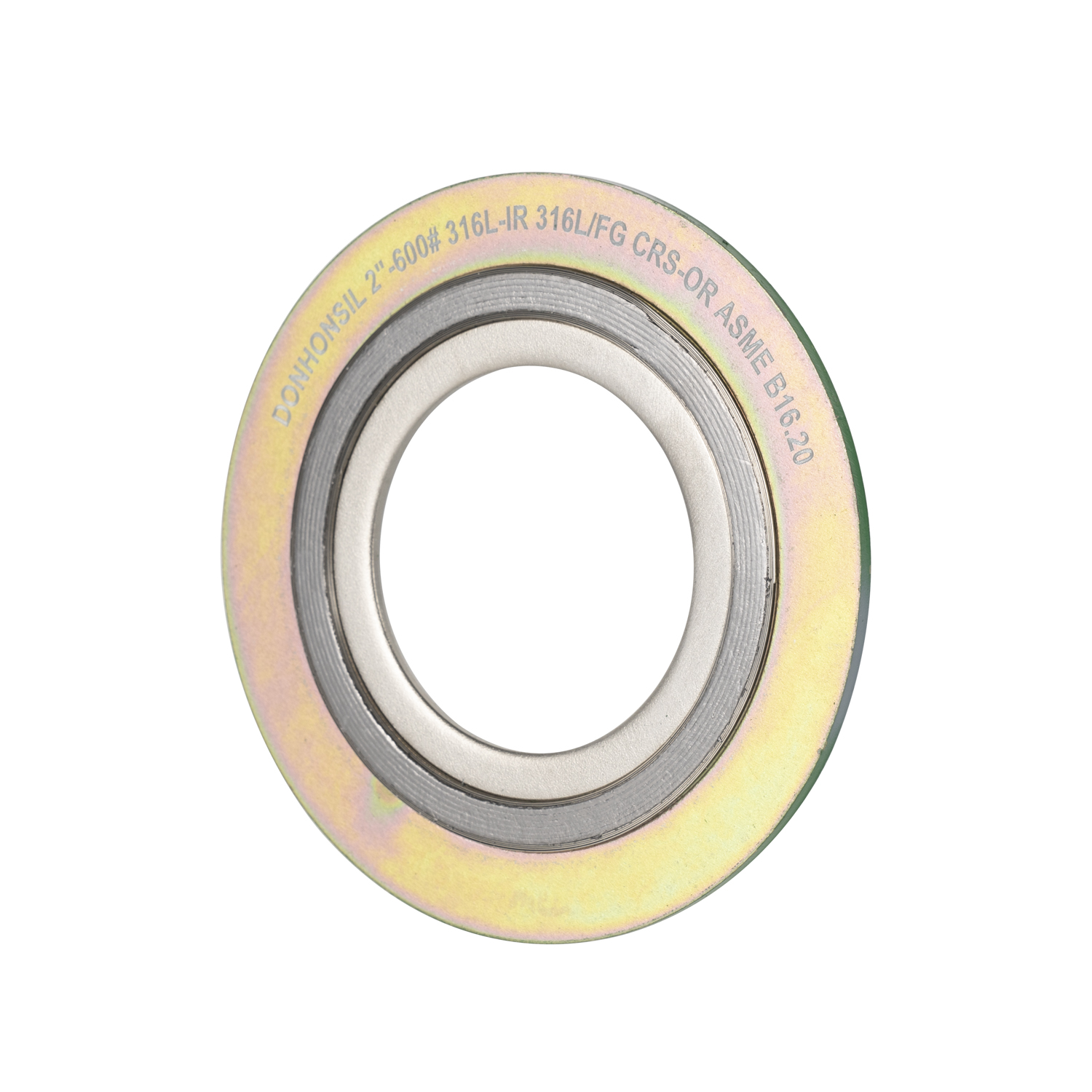
Spiral wound gaskets rely on the selection of high-quality materials to ensure their performance in demanding applications. The materials used can significantly impact the gasket’s chemical resistance, temperature tolerance, and sealability.
Metal Strips:
● Stainless Steel (304, 316): Provides corrosion resistance and durability, commonly used for most general applications.
● Monel: Known for its resistance to high temperature and aggressive chemical environments.
● Alloy Steel: Used for applications requiring increased strength at higher pressures.
Filler Materials:
● Graphite: Ideal for high-temperature applications due to its ability to withstand extreme heat and chemical environments.
● PTFE (Polytetrafluoroethylene): Offers excellent chemical resistance and is often used for sealing systems exposed to corrosive substances.
● Mica: A highly effective thermal insulator, used in certain applications for its resistance to thermal degradation.
Material | Properties | Common Use |
Stainless Steel | Corrosion-resistant, durable, and reliable under high pressure | General-purpose sealing in industrial systems |
Monel | High resistance to acids, alkalies, and high temperatures | Petrochemical, marine, and other highly corrosive environments |
Graphite | Excellent thermal resistance and flexible sealing properties | High-temperature applications like steam systems |
PTFE | Superior chemical resistance and flexibility | Chemical processing systems, reactors, pipelines |
Spiral wound gaskets are engineered to withstand some of the harshest conditions. They can handle extreme temperatures, ranging from as low as -200°C to over 1050°C, and high pressures that can exceed 2500 psi.
● Wide Temperature Range: Their ability to operate in both low and high-temperature environments makes them ideal for high-pressure steam systems, petrochemical plants, and chemical reactors.
● High-Pressure Endurance: Thanks to their robust metal core and flexible filler materials, these gaskets remain reliable even in high-pressure settings, such as pressure vessels and industrial valves.
Temperature Range | Pressure Resistance | Ideal Applications |
-200°C to 1050°C | Up to 2500 psi or more | Power plants, chemical reactors, oil refineries |
Extreme heat cycling | Resilient in fluctuating pressure | Petrochemical pipelines, boilers |
This makes spiral wound gaskets a critical sealing solution for industries that rely on high-performance materials under extreme conditions.
The unique combination of materials used in spiral wound gaskets allows them to perform reliably over long periods. They are designed to be resilient under fluctuating pressures and thermal cycling, offering extended service life compared to conventional gasket materials.
● Enhanced Lifespan: Unlike traditional gaskets, spiral wound gaskets maintain their sealing properties for longer periods, even under changing operational conditions.
● Performance Under Stress: Their spiral metal core helps distribute pressure evenly, minimizing stress concentrations that could lead to gasket failure.
Because of these properties, spiral wound gaskets are often preferred in critical industrial applications where downtime can be costly and performance is essential.
Spiral wound gaskets are resistant to a wide range of aggressive chemicals, acids, and solvents, making them ideal for sealing in industries where chemical exposure is a concern. Whether used in petrochemical plants, chemical processing, or marine environments, they maintain their integrity even in corrosive conditions.
● Corrosion-Resistant Metal Strips: These gaskets use high-quality alloys such as stainless steel or Monel, which offer superior resistance to corrosive substances.
● Versatility in Chemical Environments: The soft filler material, typically graphite or PTFE, provides excellent sealing in chemical systems that deal with acids, alkalis, or organic compounds.
Chemical Compatibility | Corrosion Resistance | Common Applications |
Acids, Alkalis, Solvents | Corrosion-resistant alloys | Chemical processing, petrochemical plants |
Organic Compounds | Graphite/PTFE sealing layers | Heat exchangers, reactors |
With XS Seal's ability to customize material selections based on specific chemical exposures, their spiral wound gaskets are tailored to meet the needs of various industrial sectors:contentReference[oaicite:0]{index=0}.
One of the standout features of spiral wound gaskets is their reusability, which significantly reduces the long-term sealing costs in industrial settings. When installed and maintained correctly, these gaskets can be reused multiple times.
● Cost-Effective: Unlike single-use gaskets, spiral wound gaskets can retain their sealing integrity through several cycles of installation and removal, reducing the need for frequent replacements.
● Proper Maintenance is Key: Regular inspection and maintenance are necessary to ensure that the gasket continues to perform at its best, making them a sustainable sealing solution.
In summary, spiral wound gaskets are designed to offer unparalleled performance, whether you need high-temperature resistance, long-term durability, chemical resistance, or reusability. These features make them an essential choice for industries that demand reliability and efficiency in their sealing systems.
Proper installation and regular maintenance are crucial to ensure the long-lasting performance of spiral wound gaskets in pressure vessels and industrial valve sealing applications.
● Surface Preparation:
Before installing a spiral wound gasket, ensure that the flange faces are clean, smooth, and free from debris, oil, or corrosion. Surface irregularities can prevent the gasket from forming a proper seal, leading to leaks.
○ Tools: Use a wire brush or suitable abrasive tools to clean the flange surfaces. If corrosion is present, use a solvent or cleaning agent to remove it.
○ Inspect Flanges: Ensure that the flanges are not warped or damaged, as this could affect gasket performance.
● Proper Alignment and Torque Settings:
Align the gasket carefully with the flange to avoid distortion. Once in place, apply even torque to the bolts in a cross-pattern. This ensures that the gasket compresses uniformly, creating a proper seal.
○ Cross-pattern Tightening: Tighten the bolts gradually in a crisscross pattern to ensure even pressure distribution.
○ Torque Specifications: Follow the manufacturer’s recommended torque values to avoid damage to the gasket and flange.
● Avoid Over-tightening:
Over-tightening the bolts can cause the gasket to deform, which could lead to poor sealing and gasket damage. Always stick to the recommended torque range to maintain gasket integrity.
Installation Step | Key Considerations |
Surface Preparation | Clean flange surfaces, free of corrosion and debris. |
Alignment and Torque | Ensure even torque in a cross-pattern. Follow specs. |
Avoid Over-tightening | Do not exceed recommended torque settings. |
To ensure the continued reliability of your spiral wound gaskets, regular inspections are essential. Here’s how to maintain them effectively:
● Visual Inspections:
Periodically inspect gaskets for signs of wear, corrosion, or physical damage, such as cracks, tears, or deformation. Pay special attention to areas where gaskets are exposed to higher temperatures and pressures.
● Check for Leaks:
After installation, monitor for any signs of leaks during operation. If you notice any leaks, it may indicate that the gasket has worn down or was not properly installed.
● Replacement Timing:
If the gasket is severely damaged or worn, it should be replaced immediately to prevent further issues. Additionally, inspect gaskets during routine maintenance intervals and replace them when they show signs of deterioration.
Inspection Type | What to Look For |
Visual Inspection | Check for cracks, tears, or visible damage. |
Leak Check | Ensure no leaks are present after installation. |
Replacement Criteria | Replace gaskets showing signs of wear or damage. |
Even experienced technicians can make mistakes during gasket installation. Here are a few common errors to watch out for:
● Misalignment:
Misaligned gaskets will fail to provide a proper seal, leading to leaks. Always ensure the gasket is perfectly centered before tightening the bolts.
● Reusing Damaged Gaskets:
While spiral wound gaskets can often be reused, damaged gaskets should never be reused. Doing so could compromise sealing integrity and lead to system failure.
● Ignoring Surface Preparation:
Failing to clean the flange faces thoroughly can cause sealing failures. Clean surfaces are essential for a successful installation, especially in demanding environments where high temperatures and pressures are involved.By following these best practices and avoiding common installation mistakes, industries can ensure the performance and longevity of their spiral wound gaskets.
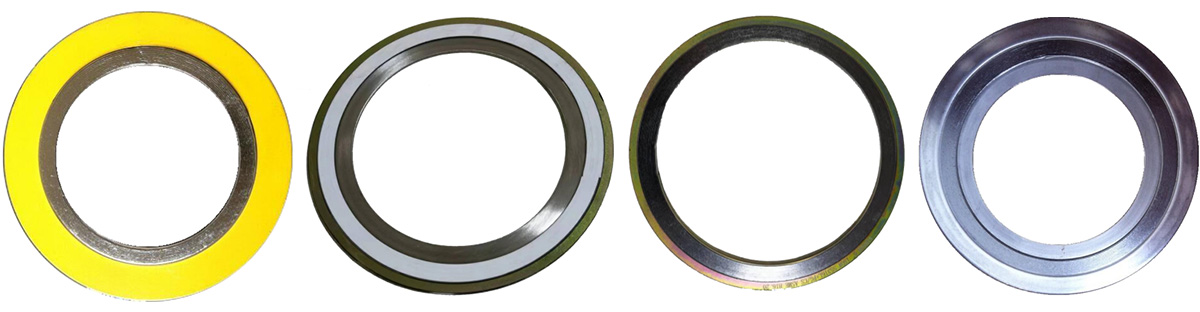
In petrochemical and chemical processing industries, spiral wound gaskets are used for sealing critical components exposed to high pressure, temperature, and corrosive chemicals.
● Reactors and Distillation Columns:
Spiral wound gaskets are commonly used in sealing reactor flanges, distillation columns, and heat exchangers. Their ability to withstand high-pressure and temperature fluctuations makes them perfect for the intense conditions within these components.
● Chemical Compatibility:
With their chemical resistance to aggressive substances like acids and solvents, spiral wound gaskets are ideal for maintaining safe, leak-proof seals in chemical systems.
Spiral wound gaskets play a crucial role in power generation systems, where they ensure reliable sealing under the high-temperature and high-pressure conditions found in steam and gas turbines.
● Steam and Gas Turbines:
● These gaskets are essential for sealing turbine components, providing durability and resistance to high mechanical and thermal stresses.Boiler Systems:
In boiler applications, spiral wound gaskets seal components like manways and handholes, withstanding fluctuating pressures and temperatures to prevent leaks and ensure smooth operation.
For oil & gas pipelines, spiral wound gaskets are key to maintaining safety and integrity in transportation systems that operate under extreme conditions.
● Pipeline Sealing:
These gaskets are widely used for flange sealing in pipelines, where they offer high-pressure resistance and ensure leak-proof seals, preventing costly leaks and environmental hazards.
● Offshore Platforms:
In offshore oil exploration, spiral wound gaskets offer corrosion resistance and sealing reliability, even in harsh marine environments exposed to saltwater and fluctuating pressures.
Spiral wound gaskets are essential in marine applications, providing reliable sealing for fuel systems and propulsion equipment, especially in corrosive saltwater environments.
● Fuel Systems:
In marine fuel systems, these gaskets prevent leaks, ensuring the safe operation of engines and tanks under extreme conditions.
● Propulsion Equipment:
These gaskets also seal propulsion systems, offering durability and resilience under high pressures and fluctuating temperatures in offshore and marine environments.
System | Component Sealed | Key Benefits of Spiral Wound Gaskets |
Petrochemical | Reactors, heat exchangers | High-pressure resistance, chemical compatibility |
Power Generation | Steam & gas turbines | High thermal and mechanical stress resistance |
Oil & Gas | Pipeline flanges | Corrosion resistance, leak-proof sealing |
Marine Applications | Fuel systems, propulsion | Corrosion resistance, sealing under fluctuating pressures |
Spiral wound gaskets are essential for pressure vessel and industrial valve sealing, offering superior performance under high pressure, temperature, and harsh chemicals. DONHONSIL provides customized spiral wound gasket solutions designed for various industrial applications, ensuring durability and reliability. With over 20 years of industry expertise, the company guarantees high-quality manufacturing and rapid response services to meet specific sealing requirements across diverse sectors.
A: A Spiral Wound Gasket is a mechanical seal made from alternating layers of metal strips and soft materials like graphite or PTFE. It is used in high-pressure and high-temperature applications.
A: It compresses when tightened, filling microscopic surface imperfections between flanges to create a reliable seal, even under fluctuating pressures and temperatures.
A: Spiral Wound Gaskets are widely used in petrochemical, power generation, oil & gas, and marine industries for sealing reactors, pipelines, turbines, and heat exchangers.
A: Spiral Wound Gaskets offer high-temperature resistance, chemical compatibility, and reliability, making them ideal for sealing industrial valves under demanding conditions.
A: Regularly inspect for wear, ensure proper alignment during installation, and follow manufacturer guidelines to extend gasket life. Replace damaged gaskets promptly for optimal performance.


